Why the crisis of ethical leadership cannot be ignored at the ballot box
I consider public service to be one of the noblest callings in a democratic society. Citizens entrust elected officials with extraordinary responsibilities, including the stewardship of taxpayer dollars and the authority to make decisions that affect the daily lives of millions of Americans.
From providing police and fire protection to maintaining roads and highways, collecting garbage, and administering criminal justice, government officials are expected to serve the public interest above their own.
At every level of government – federal, state and local – elected officials are entrusted with power. With that power comes great responsibility, including an obligation to act ethically and transparently.
Public office is not intended to be a vehicle for personal enrichment, nor should it be used to reward family members, friends, allies, or campaign supporters with special favors. When elected leaders place personal interests above the public good, they violate the very trust that voters have bestowed upon them.
Elected officials must be held to a higher standard
Corruption is commonly defined as the abuse of entrusted power for private gain. It can take many forms, including bribery, embezzlement, extortion, nepotism, cronyism and fraud. While corruption is often associated with nations or authoritarian governments, such as North Korea, Russia, Somalia, and Venezuela, Americans should not assume that our political institutions are immune from ethical failures.
In fact, concerns about ethics and integrity have become increasingly prominent in today’s political climate, most notably in the recent elections of Republican candidate for U.S. Senate in Texas, Ken Paxton; and Democratic candidate for U.S. Senate in Maine, Graham Platner.
As Georgia voters head to the polls during this election cycle, allegations of corruption and unethical conduct should not be dismissed as partisan talking points. They deserve careful scrutiny regardless of whether the accusations involve Democrats or Republicans. Ethical leadership should never be a partisan issue.
Nationally, critics have raised concerns regarding the conduct of President Donald Trump, his family, and members of his administration, citing allegations involving conflicts of interest, preferential treatment of allies and personal financial benefit associated with public office.
Supporters may dispute these claims, but the broader issue remains important: Elected officials must be held accountable whenever legitimate questions arise concerning ethics, transparency, and the use of taxpayer dollars.
Similarly, candidates across the country, including those seeking federal and state offices, continue to face allegations regarding ethical conduct, financial disclosures, campaign activities, and conflicts of interest.
In Georgia, Republican candidates for governor and the U.S. Senate have used million-dollar television ads to accuse their Republican opponents of corruption, ethical lapses, or undue influence by special interests. While not every allegation is true, voters have a responsibility to examine the facts carefully rather than simply accepting partisan narratives.
Voters are the ultimate guardians of democracy
Fortunately, our democratic system includes safeguards designed to minimize corruption and promote accountability. Among the most important are inspectors general, who are independent officials empowered to investigate misconduct, subpoena documents, conduct audits, and refer matters for prosecution when necessary. These offices serve as watchdogs over government agencies and programs, helping ensure that public resources are used appropriately.
Local county and city ethics boards as well as state ethics commissions play a critical role too. These bodies are often charged with oversight of financial disclosure submissions, campaign disclosure audits, investigations and enforcement of ethics laws. Their work helps provide transparency and accountability within government institutions.
Personal financial disclosure requirements represent another essential safeguard. Elected officials are generally required to disclose sources of income, business interests, investments, property holdings, and other financial relationships. Such disclosures allow citizens to identify potential conflicts of interest and evaluate whether public officials may be influenced by personal financial considerations when making policy decisions.
Law enforcement agencies also serve as important checks on corruption. United States attorneys, state attorneys general, county district attorneys and the FBI possess the authority to investigate allegations of wrongdoing and pursue criminal prosecutions when warranted. These institutions help reinforce the principle that no individual is above the law.
Yet even with these safeguards in place, the ultimate guardians of ethical government are the voters themselves. The ballot box remains the most powerful mechanism for accountability in a representative democracy.
Too often, I fear that voters are beginning to focus exclusively on party affiliation, ideology or a candidate’s position on specific issues while overlooking questions of character and integrity. Policy preferences certainly matter. However, competence without ethics can be dangerous, and political victories achieved at the expense of ethical principles ultimately weaken public confidence in government.
Americans must demand more from those who seek public office. Voters should ask whether candidates demonstrate honesty, transparency, accountability and respect for the rule of law. Voters should examine financial disclosures, review ethical records, and carefully consider credible allegations of misconduct before casting their ballots.
The United States has long aspired to be a model of democratic governance and ethical leadership. President Ronald Reagan famously described America as a “shining city upon a hill,” a beacon of hope and freedom for the world. That reputation was built not only on economic strength and military power, but also on the public’s faith in democratic institutions and the integrity of those entrusted to lead them.
Sadly today, that faith is being tested. If Americans wish to preserve public trust and strengthen democratic institutions, ethics and integrity must become central considerations in every election. The future of our democracy depends not only on who wins elections, but on the values and principles that guide those who govern after Election Day.
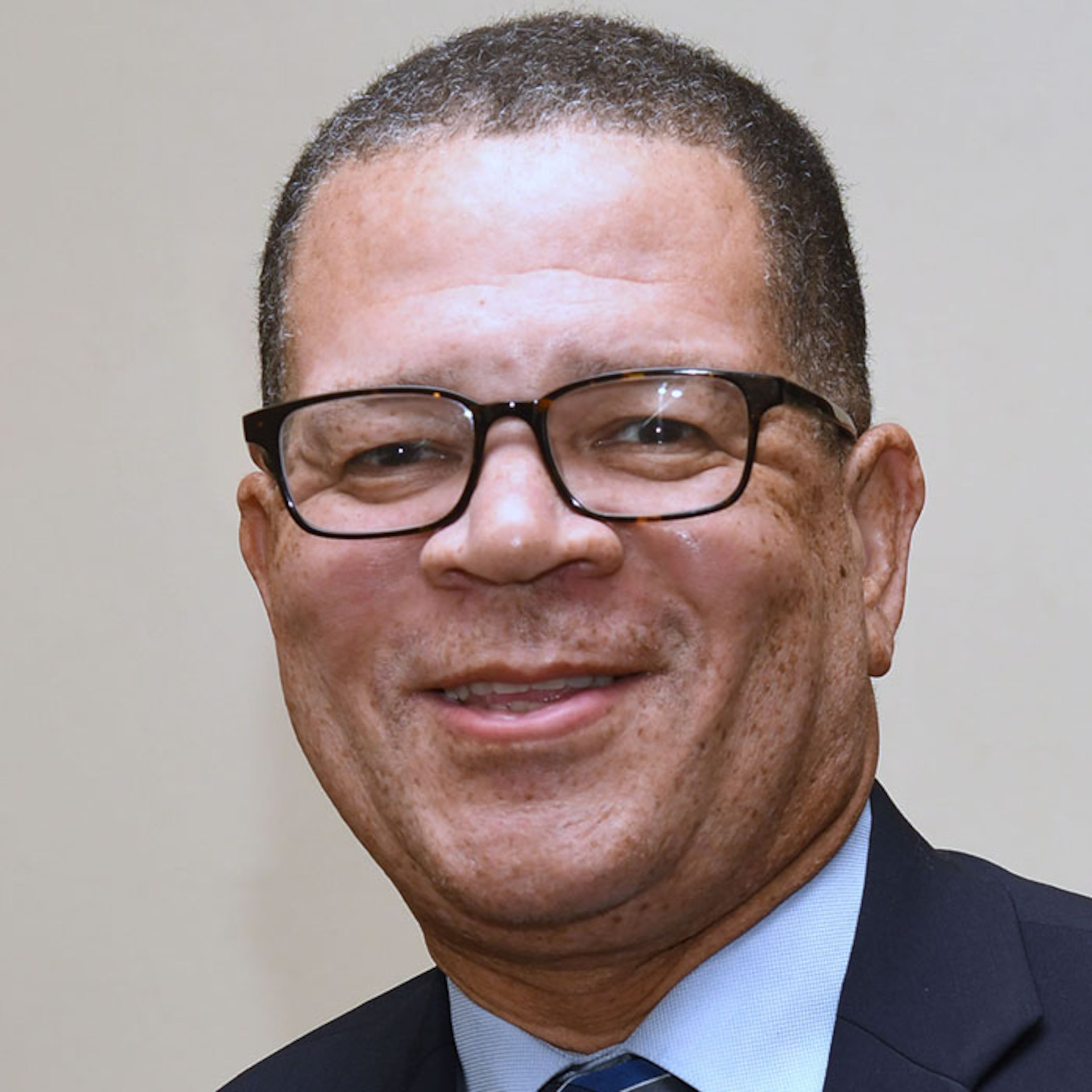
John H. Eaves, an Atlanta Journal-Constitution contributing columnist, is a former Fulton County Commission chairman and a senior instructor in the Department of Political Science at Spelman College.
Send letters to the editor of 250 words or fewer with your name, city or town and contact information to letters@ajc.com.