Lawmakers must delay Georgia’s election overhaul during special session
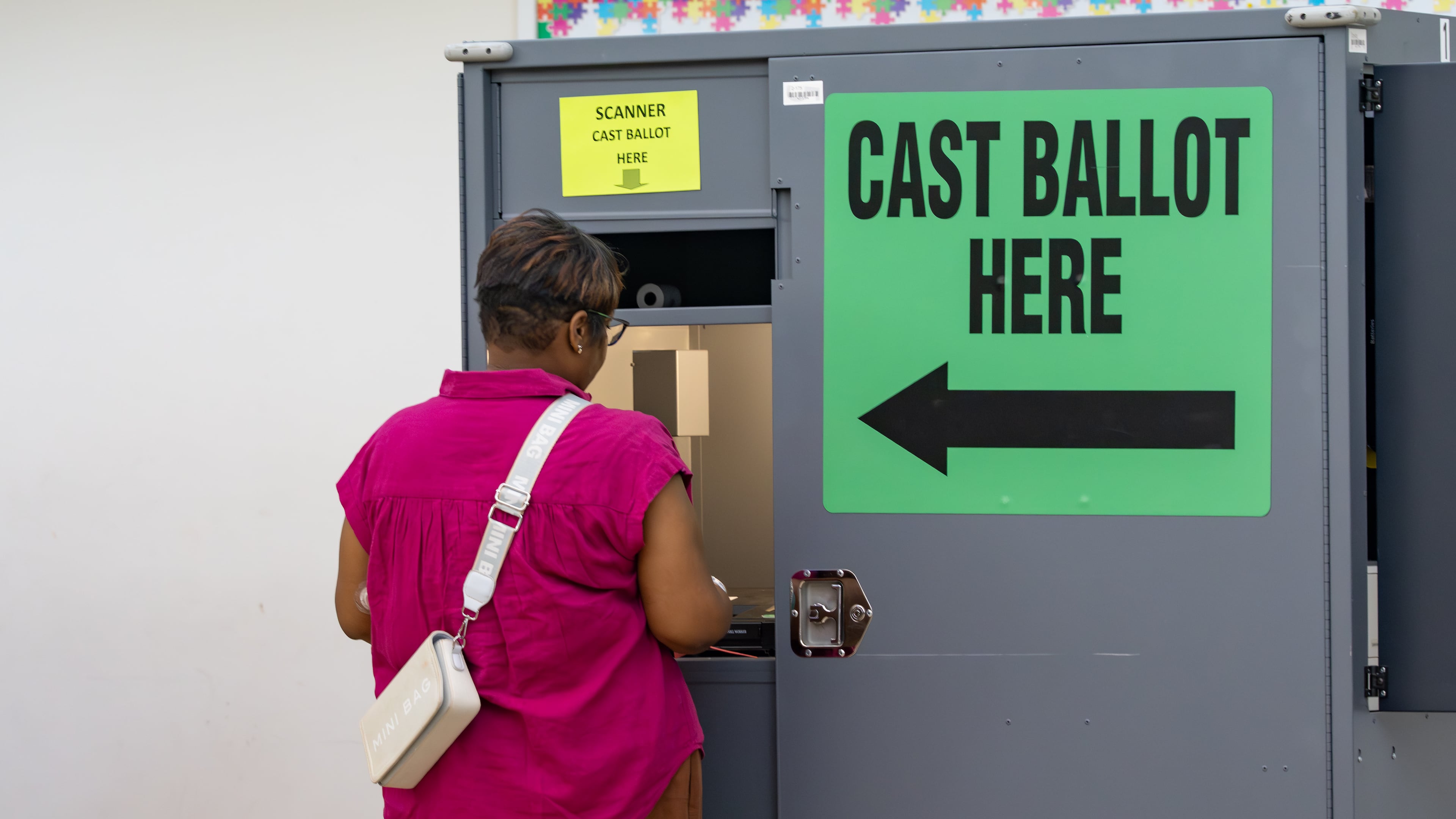
Georgia is on the brink of an election nightmare.
The good news is there’s a simple, straightforward solution the General Assembly could pass during the special session starting Wednesday. The bad news is if they don’t, not even election officials like me know how we’ll run our elections this November.
Let me explain.
Georgians who vote in person know their election officials use secure machines to read QR codes on their ballot. That’s how we tabulate their vote.
But two years ago, state lawmakers passed a law to ban that process. The idea was that voters should be able to easily view their selections when submitting their ballot — the human eye can’t read a QR code. And the policy itself is perfectly reasonable, as plenty of states have moved away from QR codes in recent years.
It’s too late to change the voting system this year

But there’s a hitch. And it’s a big one.
The 2024 law didn’t specify what system will replace the QR codes. It also didn’t include any funding for election officials to find, purchase and roll out new voting equipment.
Lawmakers set a distant date for the law to take effect so they’d have plenty of time to find and approve the estimated $25 million needed to implement the law. But that once-distant date is now coming up (after July 1). We still don’t have the money — and we definitely don’t have the time.
Lawmakers return to the Capitol on Wednesday to come up with a fix to this impasse. But there’s really only one thing to do: push the change to 2028 and allocate the funds to make it happen so we don’t run into this issue again.
Six metro Atlanta counties have already begun issuing ballots for a special election for an open congressional seat which will occur four weeks after the law is set to take effect. And beyond that, the November midterms are just five months away.
Election officials are already working to finalize polling places, train poll workers and prepare the ballots all across the state.
A total overhaul to state election equipment is no longer possible. The equipment and processes we have today are the only practicable option for November — we know they’re secure and we know they work.
Learn lessons from last election overhaul in 2020
Election overhauls don’t happen overnight. The last time we changed voting equipment in Georgia, notably just six years ago, election officials had eight months to make the switch — and that’s after the funding was already appropriated and a voting system was chosen.
That gave us the time to attend valuable trainings, schedule practice runs to ensure the machines worked properly and, most importantly, test the new system in low-turnout municipal election to see how it performed in the real world — all ahead of our 2020 primaries.
Today, even if you completely ignore the months we’d need to acquire new equipment, we have just half the time and none of the funding we did six years ago.
Some may be disappointed to see the execution of a 2024 law punted to 2028, and I get it. But consider the alternative.
To roll this law out in July would effectively ban the equipment and software that underpins our elections without any viable replacement. The voting machines and ballots Georgians used in the May 19 primary and Tuesday’s runoffs would no longer be allowed. We’d be up the creek and we’d have thrown the paddle out ourselves.
Georgia election officials would essentially need to build a new election system for 4 million voters without legislative input or funding. Whether you’re a Democrat, a Republican or somewhere in between, you know that’s a recipe for disaster.
We’re quickly hurtling toward a cliff that only the General Assembly can help us avoid. Gov. Brian Kemp was right to call a special session to come up with a fix, and during the regular session, leaders from both chambers were right to propose delaying this overhaul until after the midterms. Lawmakers must carry that momentum into the Gold Dome as they meet this week.
Our elections are too important to take big chances or rush untested solutions. So, let’s avoid the chaos. Let’s forgo the confusion. Let’s avert a last-minute shake-up — and let’s preserve the integrity of our elections during this month’s special session. Georgia voters are counting on it.
Joseph Kirk is the election supervisor for Bartow County and president of the Georgia Association of Voter Registration and Election Officials.