Atlanta is central to U.S.-Canada-Mexico World Cup collaboration and success
On May 25, the United Nations observes World Football Day, underscoring a compelling reality: The 2026 FIFA World Cup stands as a powerful testament to what North America can achieve through trilateral collaboration.
Canada, the United States and Mexico will each host matches while jointly delivering the largest and most ambitious World Cup in history — an achievement that reflects the strength, capacity and maturity of our partnership.
The tournament has already shown that when our three countries unite around a common objective, meaningful progress follows. Cross-border cooperation has deepened, from enhanced security coordination to strengthened information-sharing and operational planning — all in pursuit of a shared goal.
Beyond sport, the World Cup reflects a broader North American vision: one rooted in cooperation, shared prosperity, and the confidence that, together, we can accomplish great things.
Atlanta is central to that effort.
Why Atlanta is a soccer city
As a host city, Atlanta offers more than a world‑class stadium. It brings experience, credibility, and a civic culture that understands how global events intersect with local priorities.
Over the past decade, Atlanta has emerged as one of the most important soccer cities in the United States, primarily because of the remarkable success of Atlanta United FC. The Five Stripes’ record‑setting crowds and infectious spirit reflect a region willing to invest in infrastructure, outreach, and long‑term fan development.
That growth has had ripple effects. Atlanta’s soccer culture helped position the metro area as the new, cutting-edge headquarters and training center of the U.S. Soccer Federation, placing it at the center of decision‑making about the sport’s future in the United States.
From youth development, through entities like Soccer in the Streets, to national team preparation, systems shaped here will influence how the game is played, organized and governed in the years ahead.
And Canada benefits when American institutions are strong, stable, and outward‑looking. Fast-growing Major League Soccer is an example of this integration: a cross‑border league in which Canadian and American clubs, players, and administrators work within a shared framework. Atlanta United’s roster includes ace goalkeeper Jayden Hibbert, whose American-Canadian-Jamaican citizenship underscores how interconnected our soccer ecosystems have become.
As one of only four countries to have hosted both the women’s and men’s FIFA World Cup, Canada approaches the 2026 FIFA World Cup with a clear sense of purpose grounded in its values.
For Canada, this is an opportunity to reflect who we are as a society — diverse, inclusive, and open to the world.
The tournament provides a platform to showcase Canada’s culture, the richness of its communities, and its enduring respect for Indigenous peoples, whose presence and partnership are central to hosting on this land. In doing so, Canada is committed to delivering a World Cup that is safe, welcoming, and grounded in mutual respect, leaving a legacy that extends well beyond the pitch.
Atlanta models diversity and coexistence

Atlanta’s own story resonates with those values. It is heartwarming to see how a city anchored by the Georgia Bulldogs and Atlanta Falcons have embraced another kind of football without diminishing its first love.
That capacity — for coexistence rather than displacement — is not trivial. It speaks to Atlanta’s diversity, confidence and openness — qualities that matter when an estimated 300,000 new visitors arrive for the World Cup with different languages, customs and expectations.
Sport alone does not resolve diplomatic or policy issues. But it can reinforce cooperation in valuable and practical ways. The planning required for the World Cup mirrors collaboration already underway between Canada and the United States in trade, infrastructure, and defense and security — areas in which Georgia plays an important role.
Canada is Georgia’s leading export market, supporting jobs and investment across the state, and the relationships built through events like the World Cup strengthen the broader foundation of that partnership.
Looking ahead, Canada remains a trusted and reliable partner, grounded in its values and committed to the collective success of North America. Our strength lies in working constructively alongside our neighbors to advance shared interests and mutual prosperity.
In an increasingly complex world, Canada will continue to play an important role in shaping a more secure, dynamic, and prosperous future — demonstrating that strong partnerships are central to our shared success.
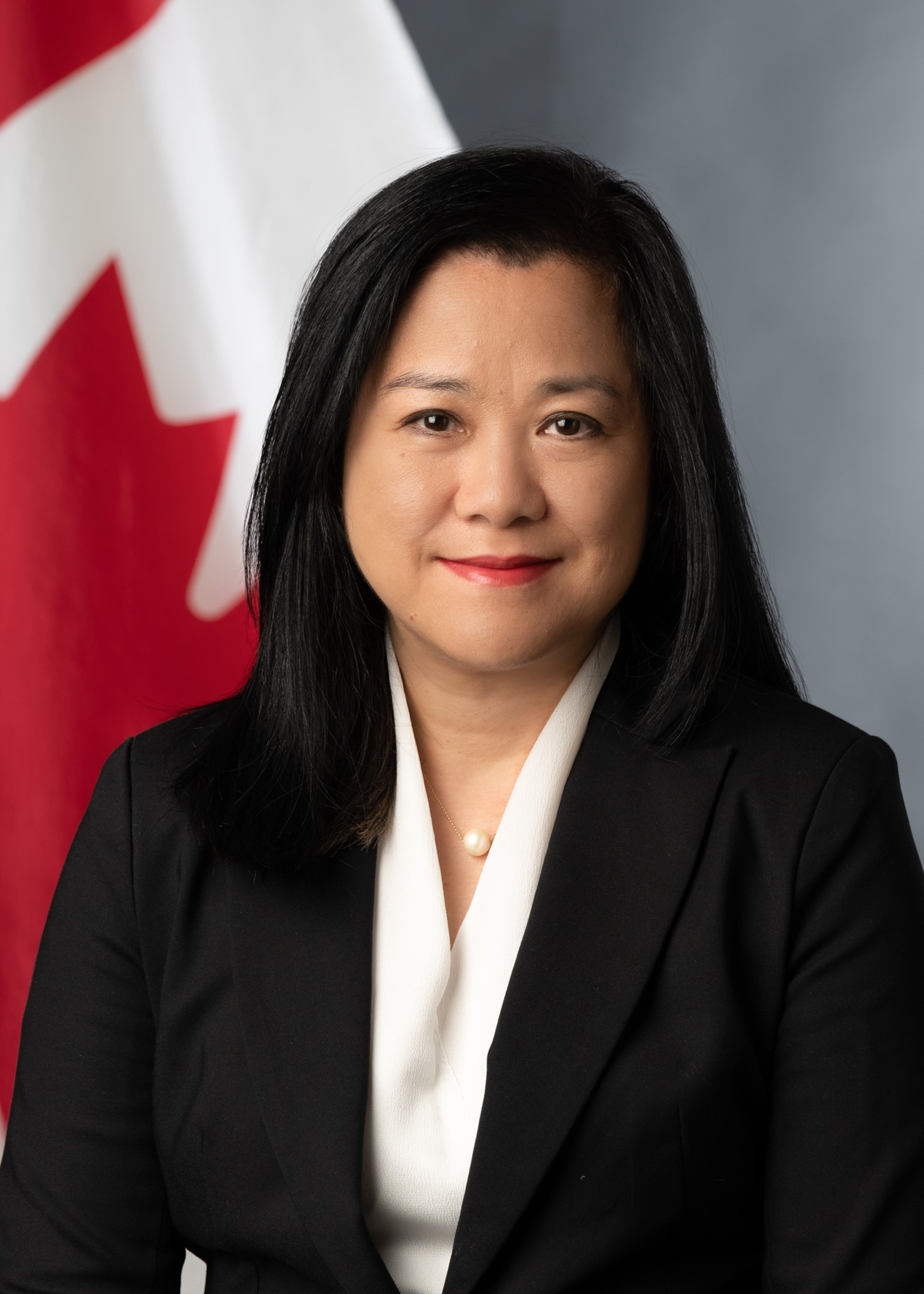
Rosaline Kwan is consul general of Canada in the Southeastern United States (based in Atlanta), where she works to advance Canada–U. S. cooperation across economic, cultural and people‑to‑people ties.