Georgia can’t arrest its way out of homelessness, no matter the law
Everybody needs a safe place to live. But for a growing number of Georgians, that basic need is out of reach.
Across our state, rising rents and stagnant wages are pushing more people to the brink.
A new report from the National Low Income Housing Coalition found that a minimum wage worker needs to work 144 hours a week to afford a modest one-bedroom. That’s not just unsustainable, it’s a signal that our housing system is out of alignment with reality.
At a moment that calls for real solutions, Georgia lawmakers are considering House Bill 295. While it is framed as a response to visible homelessness, it does not address root causes. Instead, it risks making the crisis worse.
HB 295 shifts the focus away from proven strategies, like housing and supportive services, toward punitive approaches that are known to fail. Criminalizing people sleeping outside, instead of focusing on getting folks the housing and support they need, pushes people deeper into homelessness and poverty.
Bill would financially drain cities

This bill is also being advanced by out-of-state think tanks with a track record of promoting policies that reduce public investment in services for people in need, including the Goldwater Institute and the Cicero Institute. Georgia communities deserve solutions shaped by local realities and not outside agendas.
The consequences are real. HB 295 would financially drain cities and counties through costly litigation and increase the strain on courts, law enforcement, overcrowded jails and emergency systems. The bill would divert tax dollars away from schools, parks and housing solutions that actually work.
In Atlanta, we have proof of what works. Our coordinated homeless response approach has helped more than 15,000 people move into stable housing since 2016, with 96% remaining housed.
Through initiatives like Atlanta Rising, the city and its partners are scaling solutions that connect people to housing, health care and ongoing support. These approaches are more cost-effective.
Criminalization is expensive. In Fulton County, it costs roughly $28,600 and upward toward $35,500 to detain a person in jail per year. By comparison, the average annual cost of a studio apartment in Fulton County is nearly $18,000. That’s the reality in Georgia. It really costs less to house someone than to arrest and incarcerate them.
Coordinated outreach and access are essential

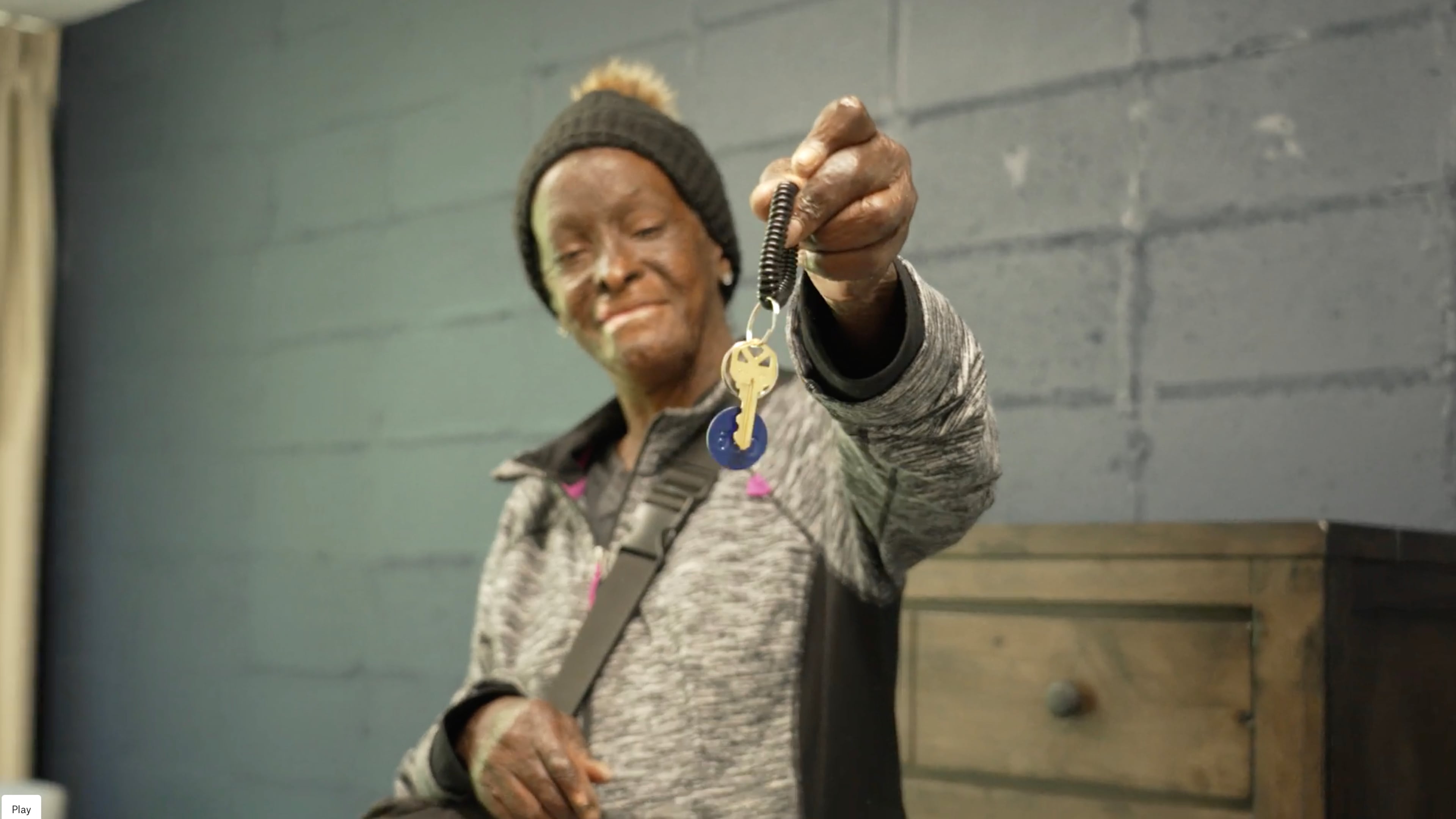
We see the impact of housing solutions over criminalization every day. Beadie is an Atlanta resident who spent more than 10 years living on the streets. Like many, she faced health barriers that punishment would never solve.
Through coordinating outreach and access to housing with partners like Mercy Care and supportive services, provided through Hope Atlanta, she now lives in her own apartment.
She has stability, access to health care and a path forward because she was connected to housing — not handcuffs.
Beadie’s progress is the kind Georgia should be building on, not approaches that shift the problem from one place to another. We can continue to invest in strategies that are already working and scale them across the state.
Join us in calling your senators and telling them to vote “no” on HB 295 and strengthen communities across Georgia, not criminalize them.
Natallie Keiser is the executive director of HouseATL a membership coalition that advances equitable housing outcomes for individuals and families in metro Atlanta by leading cross-sector collaboration and advocating for affordable housing policies and solutions.
Cathryn Vassell is the CEO of Partners for Home, a nonprofit organization coordinating a comprehensive response system to end homelessness in the city of Atlanta through the Atlanta Continuum of Care.
