Battery material recycling plant outside Atlanta to restart under new owners
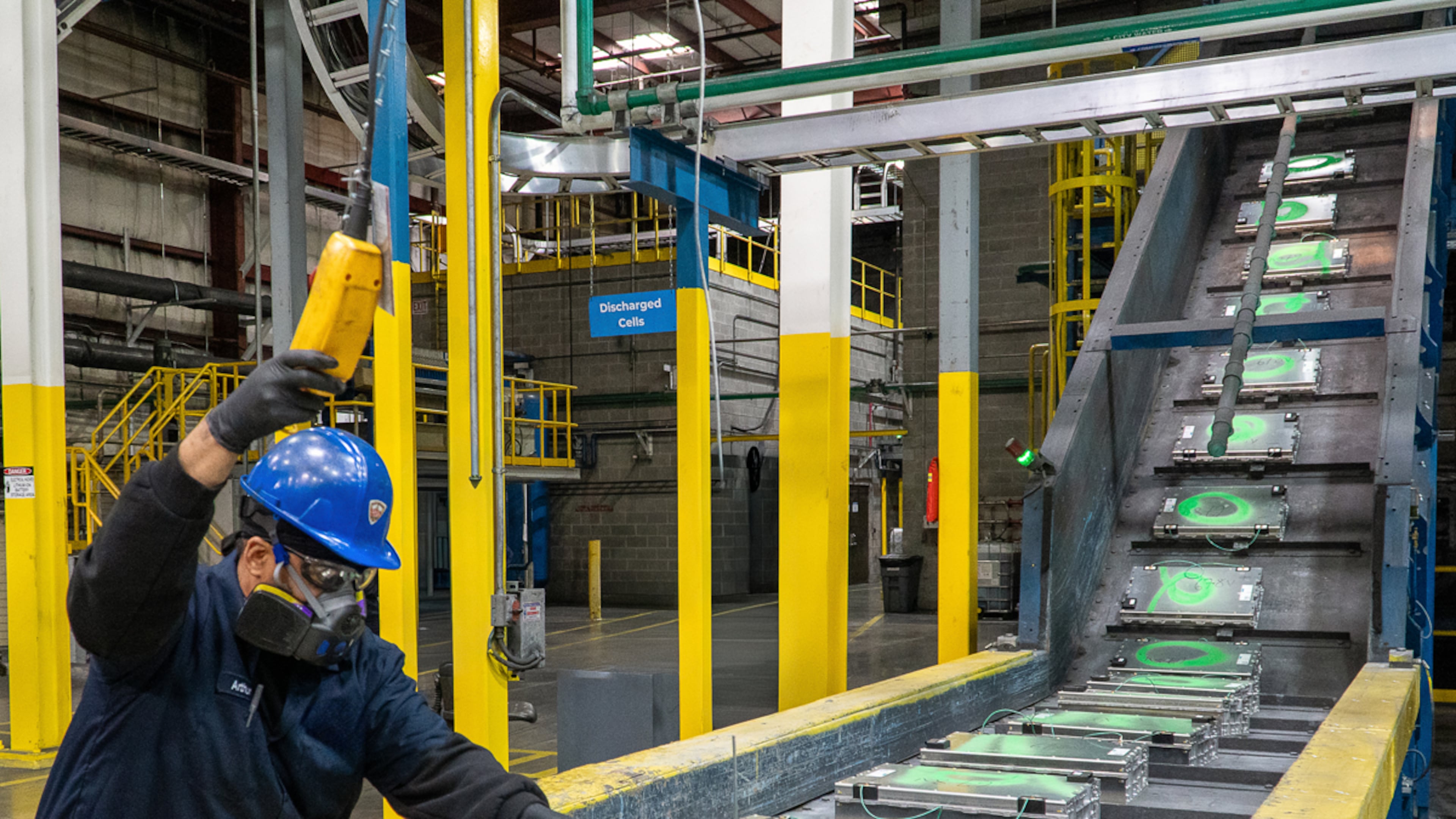

Earlier this year, about 35 miles east of downtown Atlanta, the production lines at a plant that recycled electric vehicle batteries fell silent after its corporate parent filed for bankruptcy.
Now, the same factory is coming back to life with new ownership and big plans to turn battery scrap into a major domestic source of a critical material used to power EVs and battery storage systems.
R3 Lithium, a new battery material recovery and refining firm, says it plans to restart production of lithium carbonate — a key ingredient in lithium-ion batteries — at a shuttered factory in Covington. R3 acquired the 154,000-square-foot facility in July for an undisclosed amount from Ascend Elements, after the latter filed for Chapter 11 bankruptcy this spring.
Ascend’s plant opened in 2023 and took spent EV batteries and scrap from the lithium-ion production process, ground the material to dust, then salvaged the critical minerals inside to make new batteries. But the company ran into financial troubles as it ramped up production in Georgia and pursued an expansion in Kentucky. When it filed for bankruptcy in April, the company’s CEO Linh Austin said it was saddled with more than $103 million in long-term debt.
Ascend is no more, but a group of investors purchased the Covington plant and installed Austin as president and CEO of the new operation. And though Austin and R3 Chief Technical Officer Eric Gratz are both Ascend Elements’ veterans, Austin says the new company bears little resemblance to its predecessor.
“We consider that to be kind of a distant memory,” Austin said. “I know it was only a few weeks ago, but it was really just a very different chapter.”
Where Ascend sought to salvage a wide range of components — from graphite to rare metals used in battery cathodes — Austin said R3 will have a singular focus on lithium carbonate, an energy-dense raw material used to make lithium-ion batteries.
Right now, more than 90% of lithium carbonate used in the U.S. is imported from Chile and Argentina. Producing the material from used batteries is typically even more complicated, involving stops at multiple locations.
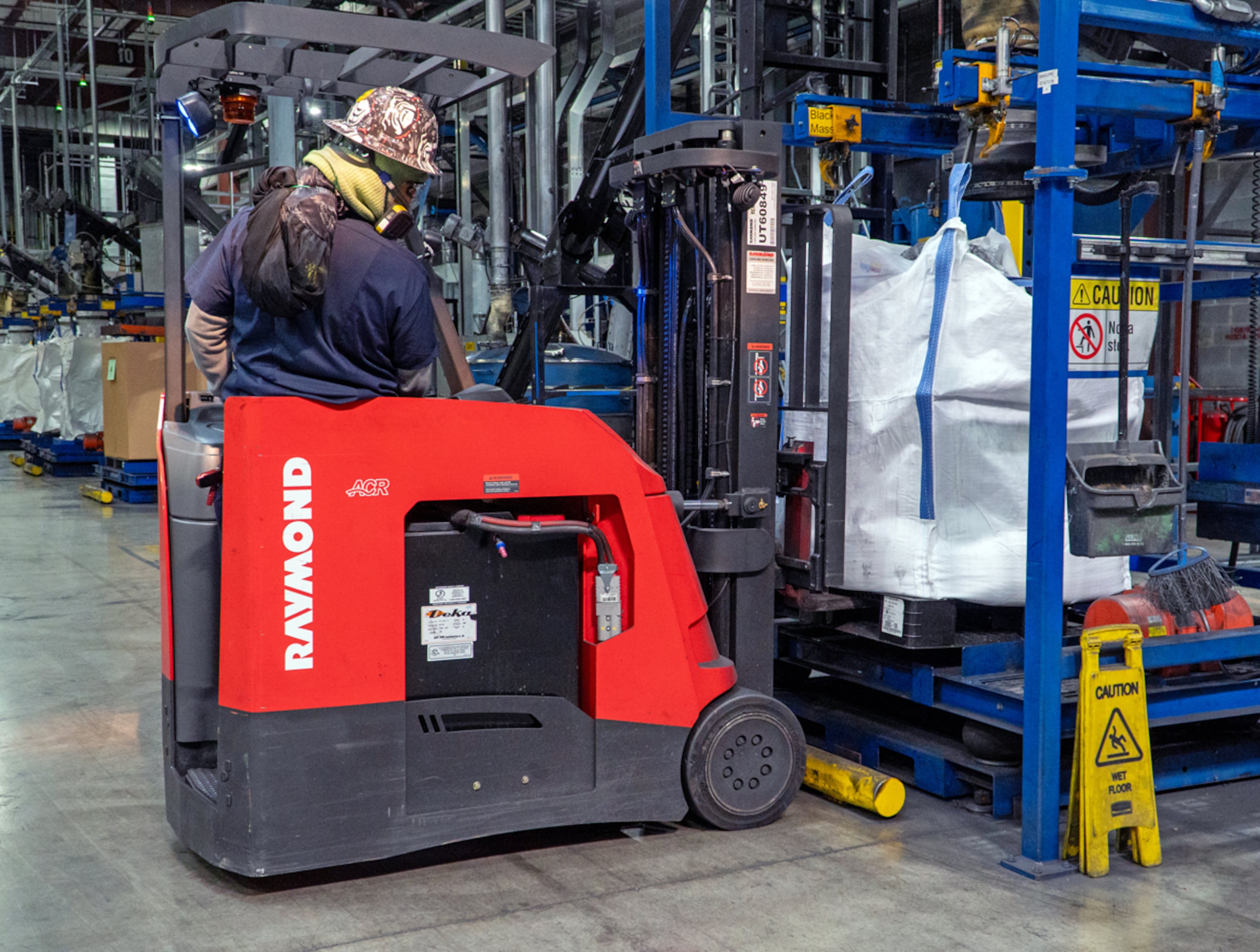
R3 — which stands for “recover, refine, and return” — says it can turn the blend of battery manufacturing scrap and salvaged material known as “black mass” into 99% pure lithium carbonate all under one roof. This type of “urban mining,” Austin said, cuts down on the need to extract new virgin material.
Georgia is already home to a robust EV and battery manufacturing ecosystem.
There’s SK Battery America in Commerce and a separate SK On-Hyundai plant to the west in Cartersville. Near the coast, Hyundai Motor Group’s massive Metaplant is already cranking out EVs, while Rivian’s second U.S. factory is under development east of Atlanta,
Having a reliable domestic supply — especially one located in a battery and EV manufacturing-rich corridor — also makes strategic sense, said Yuanzhi Tang, the executive director of Georgia Tech’s Strategic Energy Institute.
“Transportation is a big component of cost. … So, having the colocation of a recycling facility in the same region with battery and EV manufacturing, I think it’s a very good piece of the supply chain story,” Tang said.
R3 says it raised $15 million in a Series A funding round and already has nearly $1 billion in contracts in place for purchases of its recycled battery material, including a commitment from the commodity supply giant Trafigura.
President Donald Trump has yanked back most federal incentives for renewables and placed new roadblocks in the path of clean energy projects, but the administration has maintained support for domestic critical mineral manufacturing. Last month, the Department of Energy awarded a $50 million grant to a separate battery material recycling project the firm Princeton NuEnergy is also planning to develop northeast of Atlanta.
Right now, Austin said R3 is focused on upgrading its manufacturing equipment ahead of commercial production, which should start late in the summer of 2027. As they ramp up, they expect to hire another 80 to 100 employees, with ambitions to expand production in Georgia and in other places around the country.
“We are a large-scale refiner, and we want to be able to do this in multiple locations across the U.S.,” Austin said.