Meta must pay millions to Georgia in social media addiction lawsuit
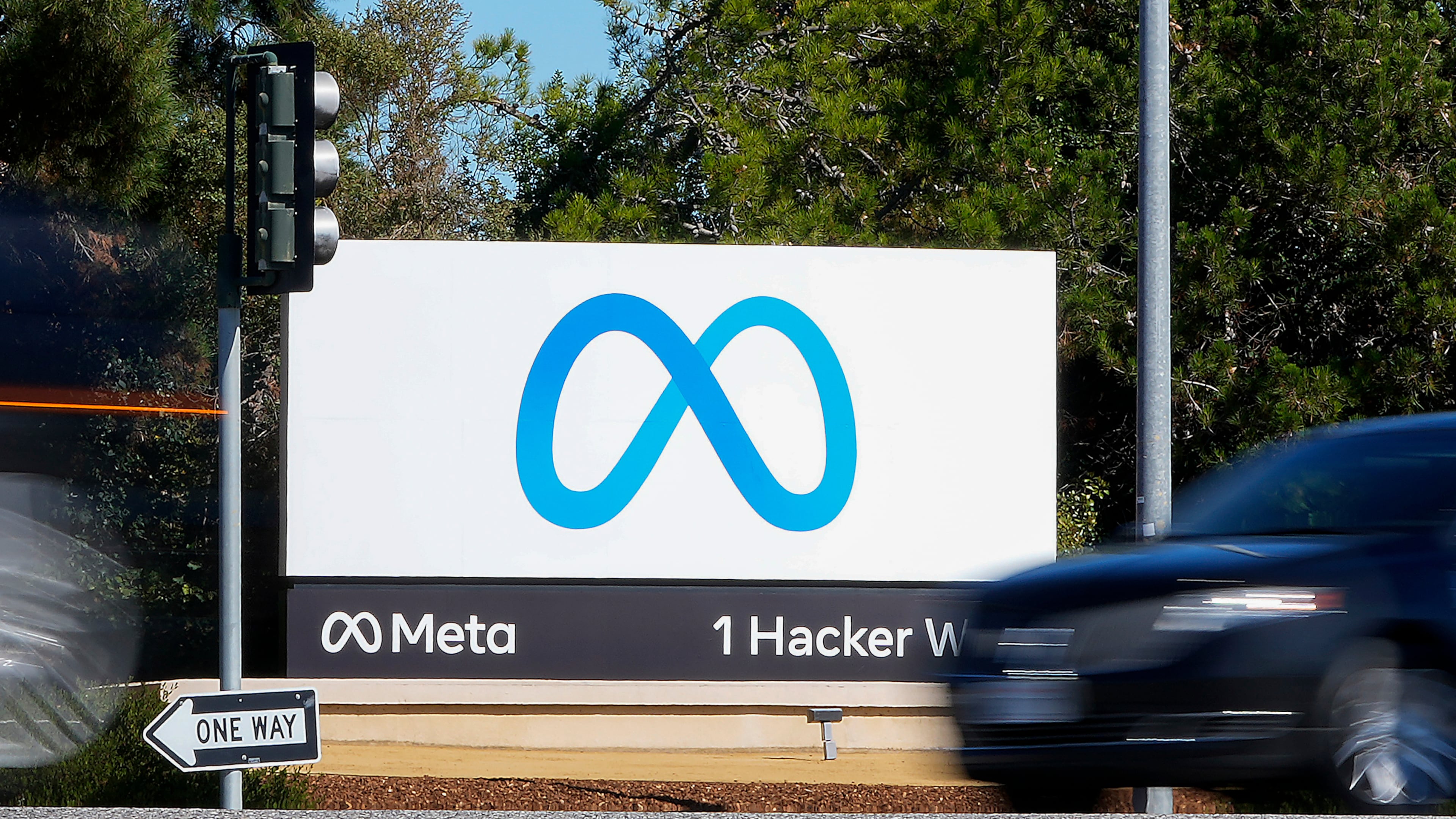

Georgia will receive close to $100 million in a landmark multistate settlement with Meta Platforms over claims that the tech giant exposed young users to serious mental harms and misled the public about the safety of its platforms, among other allegations, according to a press release from Georgia Attorney General Chris Carr.
The overall settlement, which resolves claims by 48 states, totaled about $18 billion, according to a Wednesday blog post from Meta. It’s the largest state consumer protection settlement in history outside the Big Tobacco settlements more than two decades ago, and one of the largest a tech company has ever paid to states.
The settlement also requires Meta, which owns Facebook and Instagram, to implement a series of safety features, including daily time limits, blocks restricting children’s access from midnight to 6 a.m., stronger limits on social comparison features such as filters and visible “like” counts and more user-friendly parental controls, among other measures.
In the blog post, Meta said the agreement is designed to drive industry-wide adoption, “ensuring teens receive consistent protections across the apps they use most, like YouTube and TikTok.” When teens are restricted on one app, Meta said, they likely move to another.

Georgia could receive a higher amount, totaling almost $135 million, if the state obtains similar relief from other “industry participants” in the future, according to Carr’s office.
The District of Columbia and U.S. territories including Puerto Rico were also part of the settlement. The settlement also resolves the states’ claims against Meta for sharing nonpublic information about Facebook users with third parties leading up to the 2016 election, according to the release.
In a statement, Carr said the outcome helps to accomplish Georgia’s push for social media platforms to implement safeguards protecting children online.
“This is a landmark agreement that sets the standard for future cases, and while Meta is the first to come to the table, they shouldn’t be the last,” Carr said in the statement. “It shouldn’t take lawsuits, legislation or investigations to do the right thing. Keeping our children safe will always be our top priority.”
The settlement comes years after nearly every attorney general in the country began investigating the social media industry for designing addictive products that harmed young people, marking a major turn in litigation seeking to hold platforms accountable for the role they played in fueling a mental health crisis among children.
Meta, along with the owners of other social media giants TikTok, YouTube and Snapchat, faced — and will continue to face — waves of litigation from local governments, school districts and individuals over similar claims that their platforms harm children with addictive features.
The payments by Meta will be distributed in annual installments over a 10-year period, according to Meta’s blog post. Participating states will receive about 70% over the next decade. The remaining 30%, totaling about $5.3 billion, will be released after two conditions are met: YouTube and TikTok implement a one-hour daily limit, night mode and age assurance measures, and the two platforms pay an amount matching the 30% figure.