New CDC director must overcome credibility contradiction
I still feel a twinge of hope when I see a vibrant blue yard sign sprouting from a neighbor’s lawn exhorting someone … anyone … everyone … to “Save the CDC.”
For more than a year, the campaign launched by retired Centers for Disease Control and Prevention workers and local advocates has reminded us that the Atlanta-based central agency for our national public health intelligence and response is still in a precarious state.
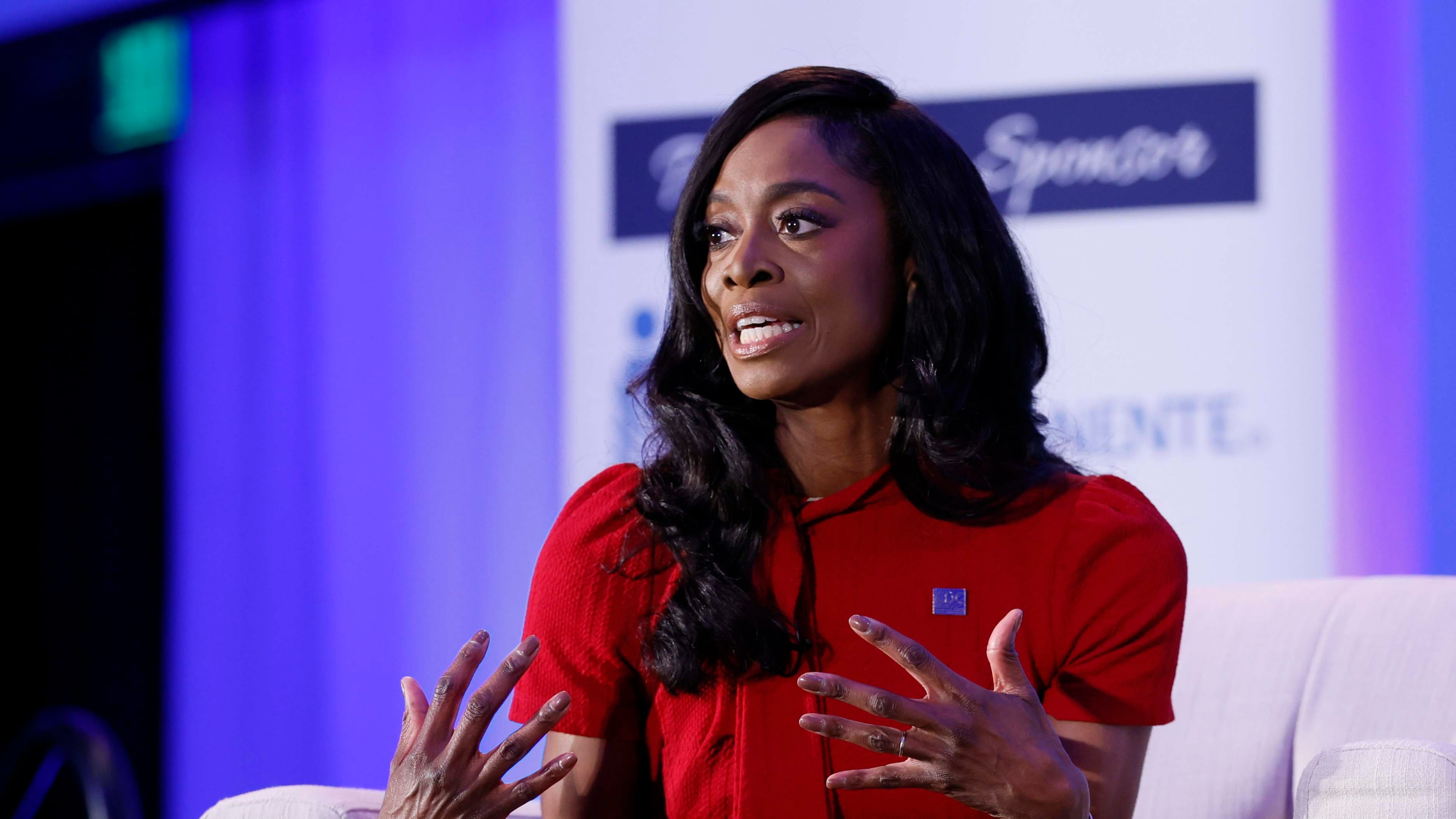
When newly appointed director Dr. Erica Schwartz made her first public appearance last week, I wanted her to bring what I think most Americans want from the leader of this institution: reassurance, transparency and a restored sense of trust. Instead, her statements left me with the feeling that despite Schwartz being qualified to lead the CDC, her presence may not be enough to save it.
Schwartz is the first Black woman director of the agency, and the part of me that shares the experience of being a Black woman in America needs to acknowledge the glass cliff on which her tenure is perched.
In its 80-year history, the CDC has had six women serve as directors beginning in 2002, when Julie Gerberding took the helm as the first woman to lead the agency. This was also a moment when the CDC was in crisis, facing significant public and institutional criticism for its handling of the anthrax mail attacks after 9/11.
A subsequent reorganization led to the departure of experienced scientists and left morale at a level described as an all-time low. Gerberding’s restructuring has since been criticized by historians and public health experts as a failed effort.
Research indicates that women and people of color are more likely to be appointed to leadership positions during periods of organizational crisis rather than in times of stability and growth.
The reasons for the existence of this glass cliff are beyond the scope of this column, but history indicates that when a leader is the first of their gender and/or race in a leadership role, they face increased pressure to perform, face more scrutiny and have a lower margin for error.
Already, Schwartz has been criticized for not being more visible during her first weeks on the job, particularly amid outbreaks of Cyclospora and measles in the U.S. and a severe Ebola outbreak in the Democratic Republic of the Congo.
But in fairness, any new leader should start by first understanding and assessing the problems in the organization they are leading before making broad pronouncements or taking immediate action.
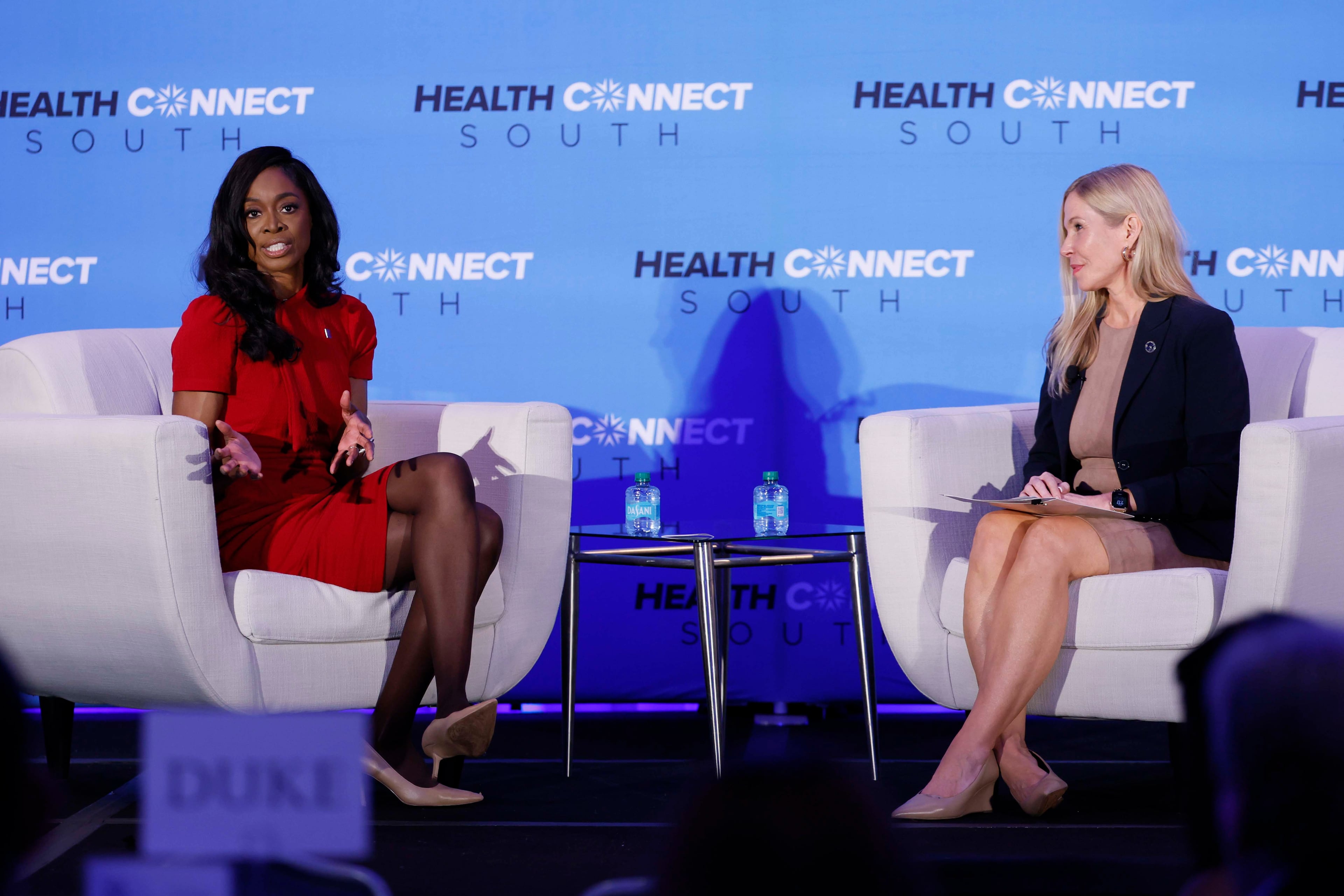
I want to allow for the possibility that this is how Schwartz spent the six weeks prior to her appearance at the Health Connect South gathering in downtown Atlanta, but some of the statements she made at the event, and some of what I can infer from those statements, have left me feeling unsettled.
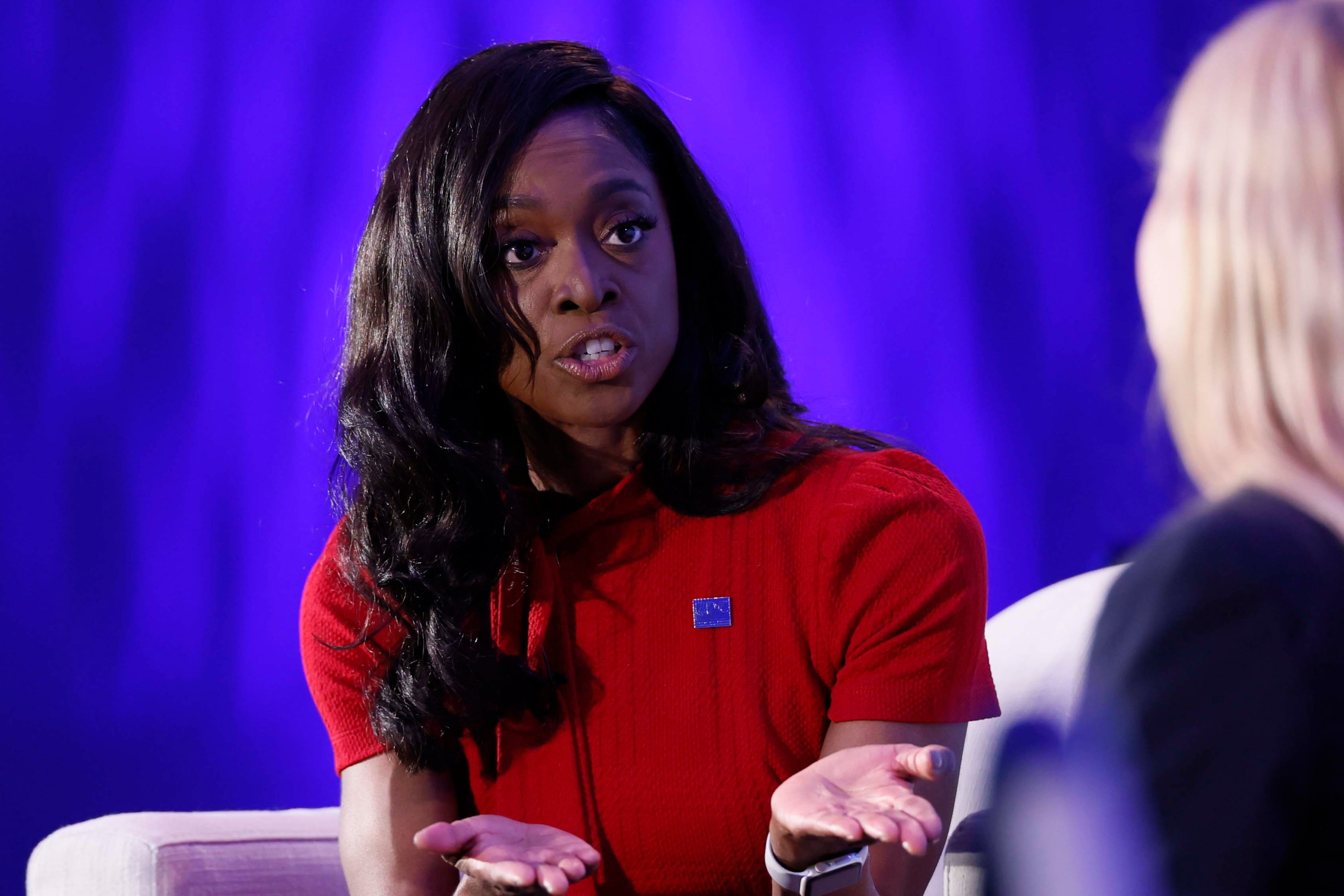
Schwartz affirmed her desire to rebuild trust both within CDC and among the public. She acknowledged low employee morale and said she wants staff to feel they are working in a “psychologically safe environment.”
In July during her confirmation hearing, Schwartz told senators she would “follow the science wherever it leads” while deflecting inquiries on whether she would stand up to Health and Human Services Secretary Robert F. Kennedy Jr.
At Health Connect, she said she would absolutely disagree with Kennedy behind closed doors but not in public, adding, “He’s the Secretary of HHS. And at the end of the day, he’s going to make the decisions.”
I can’t reconcile how Schwartz can pledge to uphold science while also pledging deference to Kennedy, who has made clear his disdain for mainstream medical advice and his desire to advance policies that are not supported by existing science.
It is also unclear how Schwartz proposes to follow science at a moment when politics and ideology appear to have an outsized impact on the collection and reporting of scientific data.
Earlier this month, Kennedy directed the CDC to remove a reference to two deaths in Pennsylvania from its online accounting of measles cases.
The agency had already accepted the explanation from state officials indicating that the deaths were linked to measles and had offered condolences on social media to the communities and families impacted by those deaths.
Schwartz did not respond last week to questions about the four measles deaths currently noted on Pennsylvania’s state-level dashboard, according to reporting by my colleague Tamar Hallerman, but previously the agency said there wasn’t enough information to confirm whether measles caused or merely contributed to the deaths in Pennsylvania.
For Schwartz to say she will follow science wherever it leads is troubling when the reporting of scientific data is being altered before our eyes, and we are given a questionable explanation as to why it should suddenly depart from established practices.
The questionable reporting of federal data is not just happening at the CDC. More than 300 data sets across a range of agencies have been eliminated, altered or disrupted under the current administration, according to a tracker run by former federal government data scientists.
Instead of clarity, we had ringside seats to a social media smackdown between Kennedy and Pennsylvania Gov. Josh Shapiro, in which Kennedy accused Shapiro of “fearmongering, misinformation, finger-pointing, and the weaponization of infectious disease fears for political gain.”
The CDC dutifully reposted those comments.
Back in August, Dr. Mandy Cohen, CDC director from 2023 to 2025, offered words of advice to Schwartz.
“CDC’s scientific credibility isn’t Director Schwartz’s to spend,” Cohen wrote for MedPage Today. “It belongs to the American people, and protecting it is a duty of the job. I hope she is never put in this position.”
Cohen advised Schwartz to decide, before it happens, how she would act to protect that credibility.
The position Schwartz is in was unavoidable. But her response, thus far, has been avoidance.
And for now, the CDC still needs to be saved.
Read more on the Real Life blog (www.ajc.com/opinion/real-life-blog/) and find Nedra on Facebook (www.facebook.com/AJCRealLifeColumn) and X (@nrhoneajc) or email her at nedra.rhone@ajc.com.