Georgia’s Meta settlement should go to nurturing and healing children
Georgia is slated to receive close to $100 million from the $17.1 billion multistate settlement with Meta Platforms, Inc. The lawsuit was based on claims that Meta exposed children and youth to serious mental harms and misled the public about its platforms’ safety.
But let’s be clear — this money is not a windfall or a gift. It is a small, partial acknowledgment of harm done to Georgia’s children, and to families who have spent years worrying about what kids see and experience online.
At Voices for Georgia’s Children, we’ve spent more than two decades working on child policy, from food security, childcare and child health to behavioral health, foster care and juvenile justice. All that experience tells us that this money should be used to support the things that keep kids from reaching crisis, and from needing social media to feel like they belong somewhere.
We know that loneliness and a lack of positive activities and relationships can lead to bad outcomes. Data from one of our state intervention programs for delinquent youth found that 52% of the kids had little to no supervision at home or constant conflict with their parents or caregivers. Seventy-six percent had not participated in a single positive activity, like clubs, sports, music or art, in the past three months.
Meanwhile, Georgia youth suicide deaths more than doubled over the last decade. In 2023, suicide was the third leading cause of death for Georgia children aged 5 to 17, surpassed only by motor vehicle deaths and homicides.
Most youth have trouble getting mental health help
The U.S. Surgeon General’s advisory on social media and youth mental health found that young people turn to platforms in part to find community, identity, and belonging, particularly when they lack it offline.
Technology companies have built products that keep them there. It is no surprise that young people, navigating chat rooms, clickbait, likes, follows, endless scrolls and addictive design, can find themselves trapped in anxiety and depression, low self-esteem, sexual exploitation, addiction and more.
So, let’s spend these settlement dollars helping kids.
School-based behavioral health is a great place to start. Georgia’s leaders have supported SBBH programs for over a decade, along with investments in school counselors, social workers and “student advocacy specialists,” who can identify kids who are struggling and connect them to help.
But the need is enormous. According to the Data Resource Center for Child and Adolescent Health, 56% of Georgia youth have trouble getting the behavioral healthcare they need.
Settlement dollars could expand access to skilled providers and strengthen the behavioral health workforce with educational loan assistance, rate increases and grants.
But behavioral health services cannot be the whole strategy.
850K kids want but can’t get afterschool programs
Afterschool and summer learning programs are designed to provide what kids need and seek. They are the perfect combination of interesting activities, peers they know and engaged adults who show up in-person. Such an environment means kids are less likely to look for validation online because they have real people to turn to for community, guidance and support.
Georgia’s leaders understand this. Thanks in part to state investment, roughly 236,000 Georgia children are in afterschool programs today. That public commitment has also attracted private philanthropy, multiplying the wins for our young people.
Yet the unmet need is staggering. The 2026 Afterschool Alliance survey reports that 853,224 Georgia children who are not enrolled in afterschool would participate if a program were available to them. That means hundreds of thousands of children may be missing out on safe, supervised time with positive activities, friends, mentors and all the good learning that comes with that. Settlement dollars could certainly help close the gap.
The connection between the harm and the remedy is clear. If social media has profited from young people’s need for connection, Georgia should invest the proceeds in giving them healthier places to find it, while making sure help is available when they struggle.
Every child who feels known, valued and surrounded by people who believe in them is a child less likely to need a crisis line, a courtroom, or a stranger’s validation online. Let’s spend that settlement the way our kids deserve.
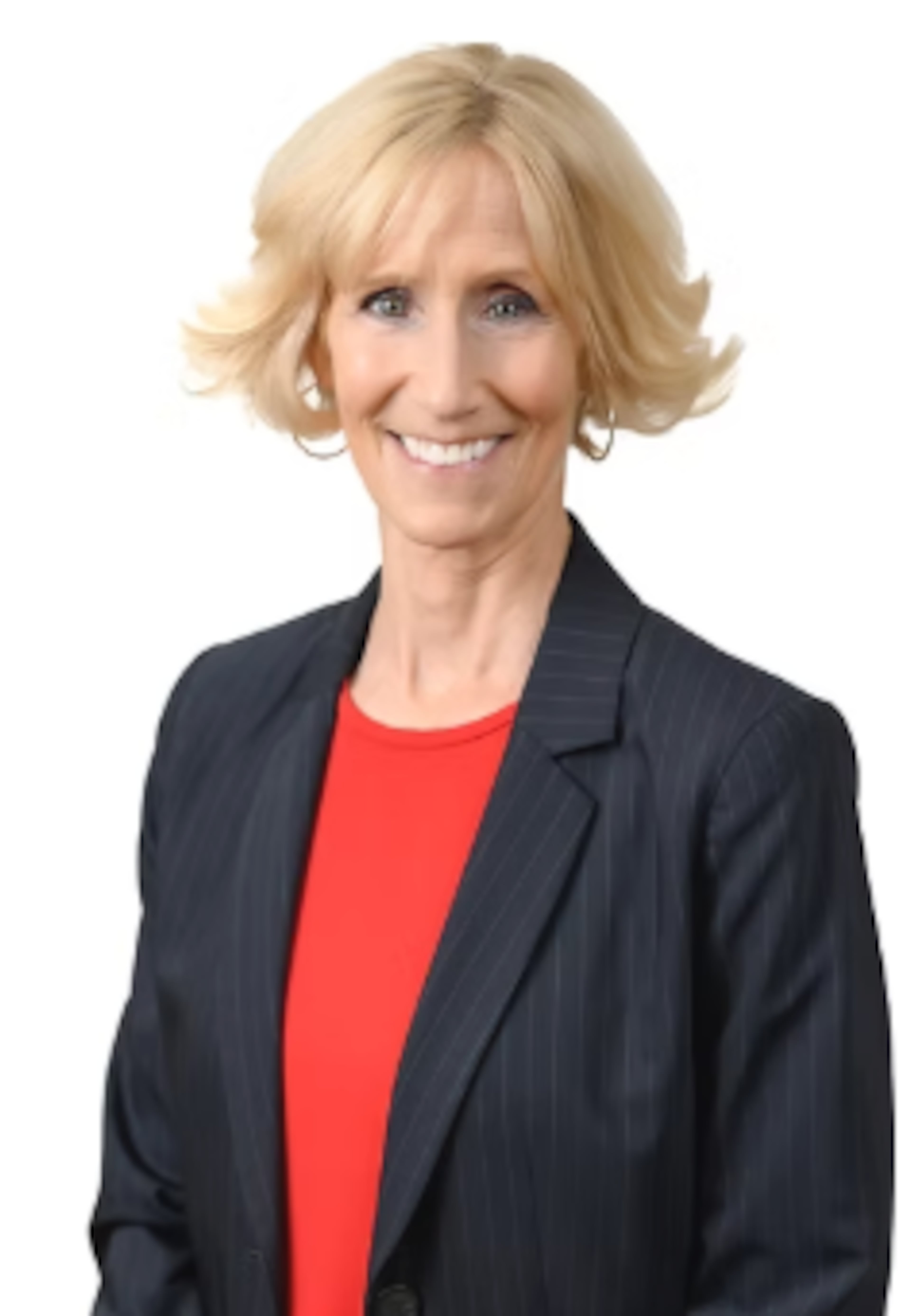
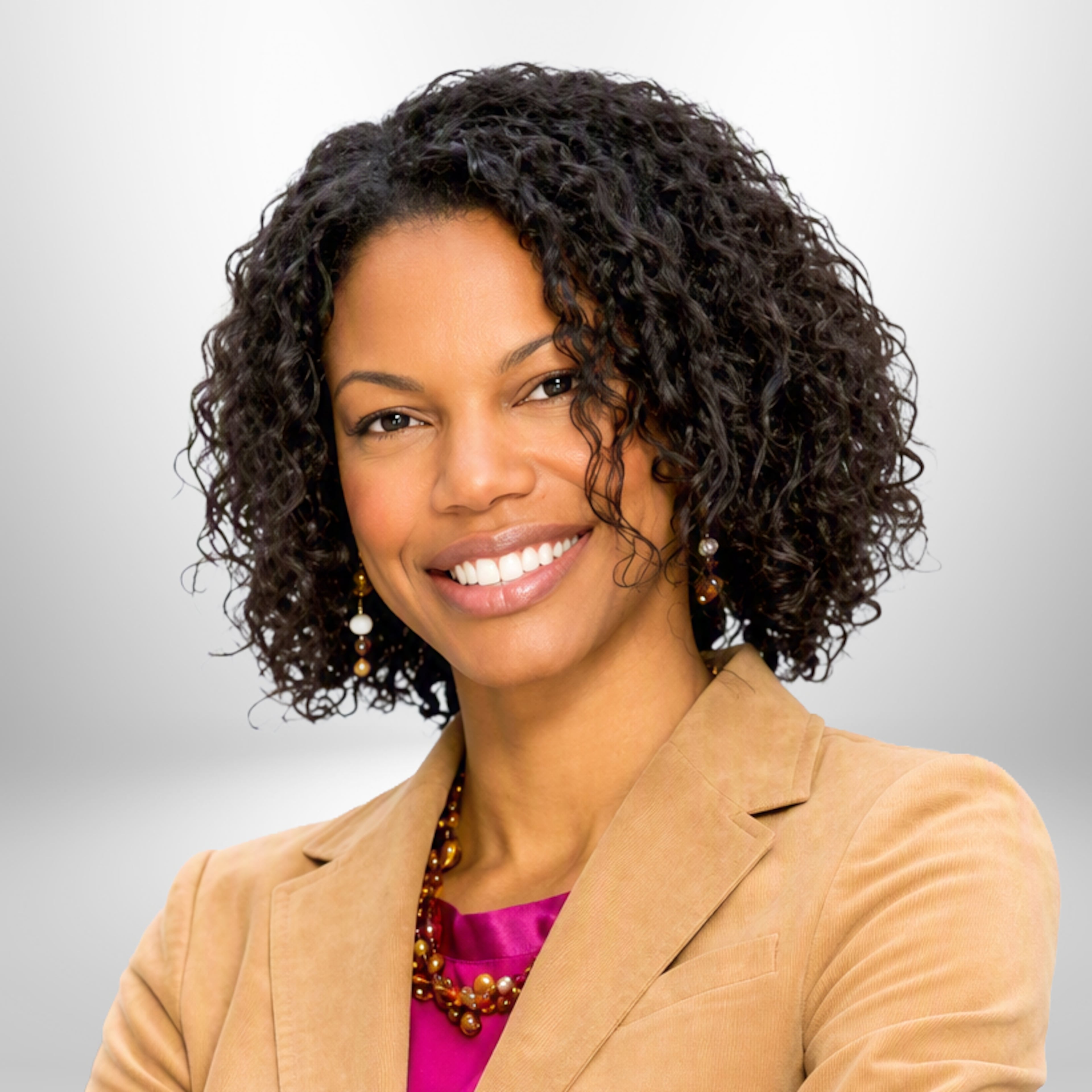
Judy Fitzgerald, MSW, is executive director of Voices for Georgia’s Children and a former commissioner of the Georgia Department of Behavioral Health and Developmental Disabilities who has dedicated her career to strengthening behavioral health and public-service systems. Nicola Dawkins-Lyn, Ph.D., is chair of the board of directors of Voices for Georgia’s Children and a vice president at ICF with more than 30 years of experience advancing positive public health outcomes.
Send letters to the editor of 250 words or fewer with your name, city or town and contact information to letters@ajc.com.