Trestletree tenants deserve to be heard in redevelopment planning


The southeast section of the Atlanta Beltline was still an unfinished dirt trail when residents in nearby neighborhoods began debating the fate of Trestletree Village Apartments.
It was clear that the tract of Section 8 housing that lies in Grant Park to the north and Ormewood Park to the south would eventually be redeveloped.
I live about a mile from Trestletree and in my candy-coated dreams I envisioned a benevolent developer swooping in to modernize the 44 low-rise buildings while leaving the community intact.
But 21 acres of prime real estate within a stone’s throw of the Beltline is too valuable to be preserved solely for low-income housing.
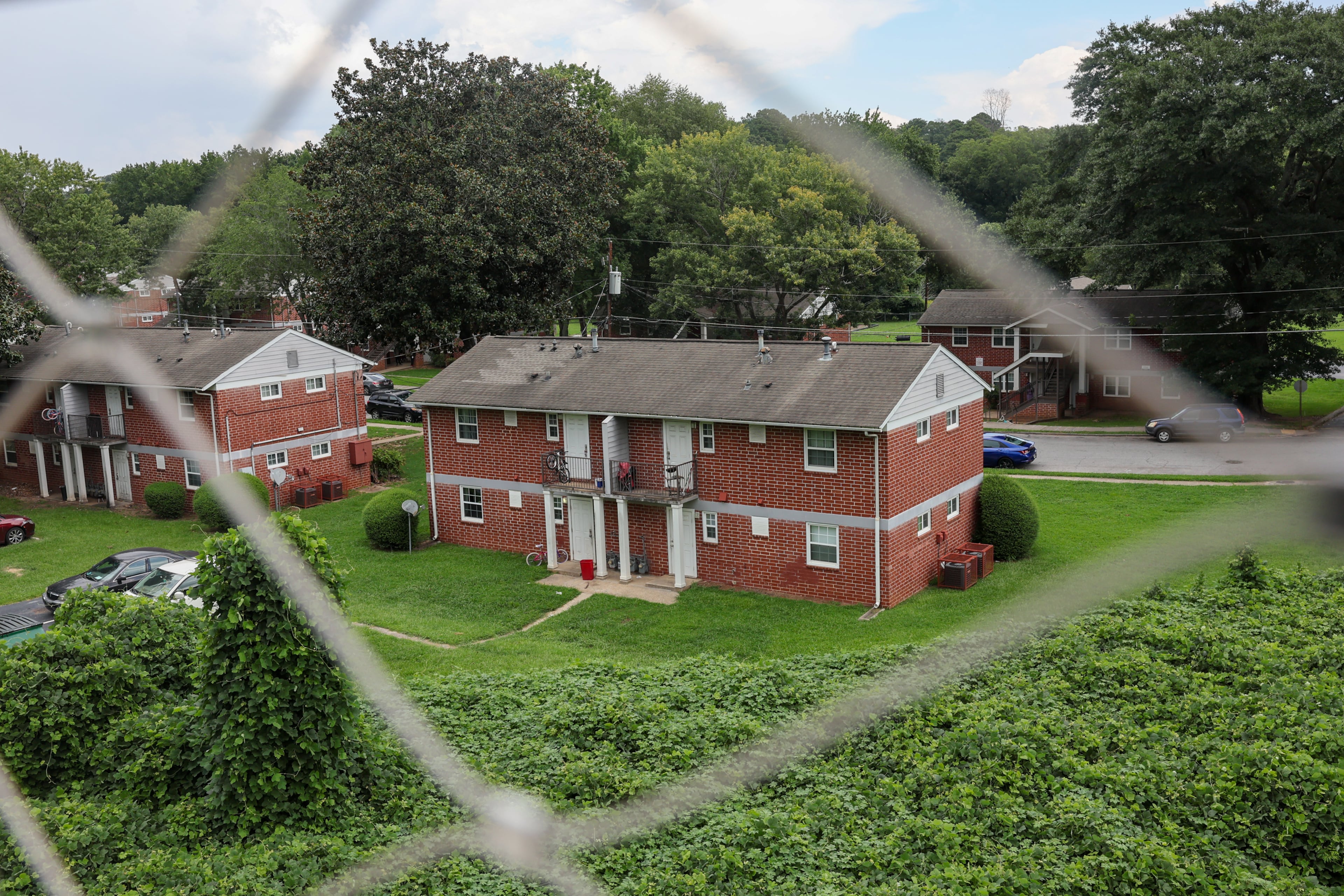
Next week, Wingate Companies expects to close on the property and implement a development plan to consolidate Trestletree residents in a single, new four- to five-story building. Two market-rate buildings will follow during the second phase.
My new hope is that this will be at least a moment for Trestletree residents to address longstanding quality of life issues and solidify better outcomes for the future. But I also recognize that the ability to negotiate fair terms is limited when you start at a disadvantage.
While we can all agree that renovations at Trestletree are overdue, we shouldn’t expect residents to accept something new just because we think it is better than what they have now.
“We want new construction, but where are we going to be in five to 10 years?” Velissa Sims, president of the Trestletree United Tenants Association, said. “Certain things, we as tenants should have the right to vote on. We are not trying to cause problems; we care about our health and safety.”
In late June, in a letter to the Grant Park Neighborhood Association, the Trestletree United Tenants Association weighed in: They do not support permanently relocating all current residents from the North Parcel (Grant Park) to the South Parcel (Ormewood Park), nor do they support Wingate’s proposal to consolidate all affordable and Section 8 housing units into dedicated buildings on a single parcel. They would prefer integrating them into a mixed-income housing model.
Integrated mixed-income housing has perceived social benefits that include building a diverse community, providing equal amenities for all residents, supporting economic mobility and preventing a concentration of poverty, which can lead to high crime.
Sims said Trestletree residents also want easy access to public transportation, multiple entry and exit points, larger shared play spaces to accommodate greater density and balconies or patios like the ones they currently have.
Wingate initially indicated that an integrated mixed-income housing model was not financially feasible and posed regulatory challenges but when I reached a company spokesperson this week, a new plan was underway.
“Wingate has listened closely to residents, neighborhood organizations and other stakeholders who asked us to explore a broader mix of incomes in Phase 1. We went back to the development plan and worked to identify a structure that could respond to that feedback while remaining financeable and buildable in today’s market,” the company representative said.
Under the revised plan released Aug. 12, Phase 1 will include replacement housing for all 188 existing HUD assisted households with an additional 20 units — 10 renting at 80% area median income and 10 renting at market rate for a total of 208 apartments.
Decades of case studies in which public housing has been converted to mixed-income housing indicate that the process works best when tenants are treated as equals.
Partnerships that prioritize transparency help build trust, according to research from the Joseph E. Corcoran Center at Boston College.
Sims, a single parent of three children who has lived at Trestletree for 18 years, said residents were not initially told the property was being sold. “I was like, why didn’t someone tell us?” she said.
Wingate representatives said the property owner asked them to limit communication with Trestletree residents until the deal was finalized, a common industry practice.
In the last two months, the company has engaged property residents with a bus tour, a back-to-school event and a pizza party, said Sims.
Six years ago, Sims and other long-term residents began fighting for recognition as an official tenant organization.
They wanted relief from the constant threat of lease violations, evictions and maintenance issues in their homes. They knew there was strength in having a unified voice.
But in subsidized housing, where property managers don’t have to compete to attract tenants, there is little incentive to accommodate resident demands.
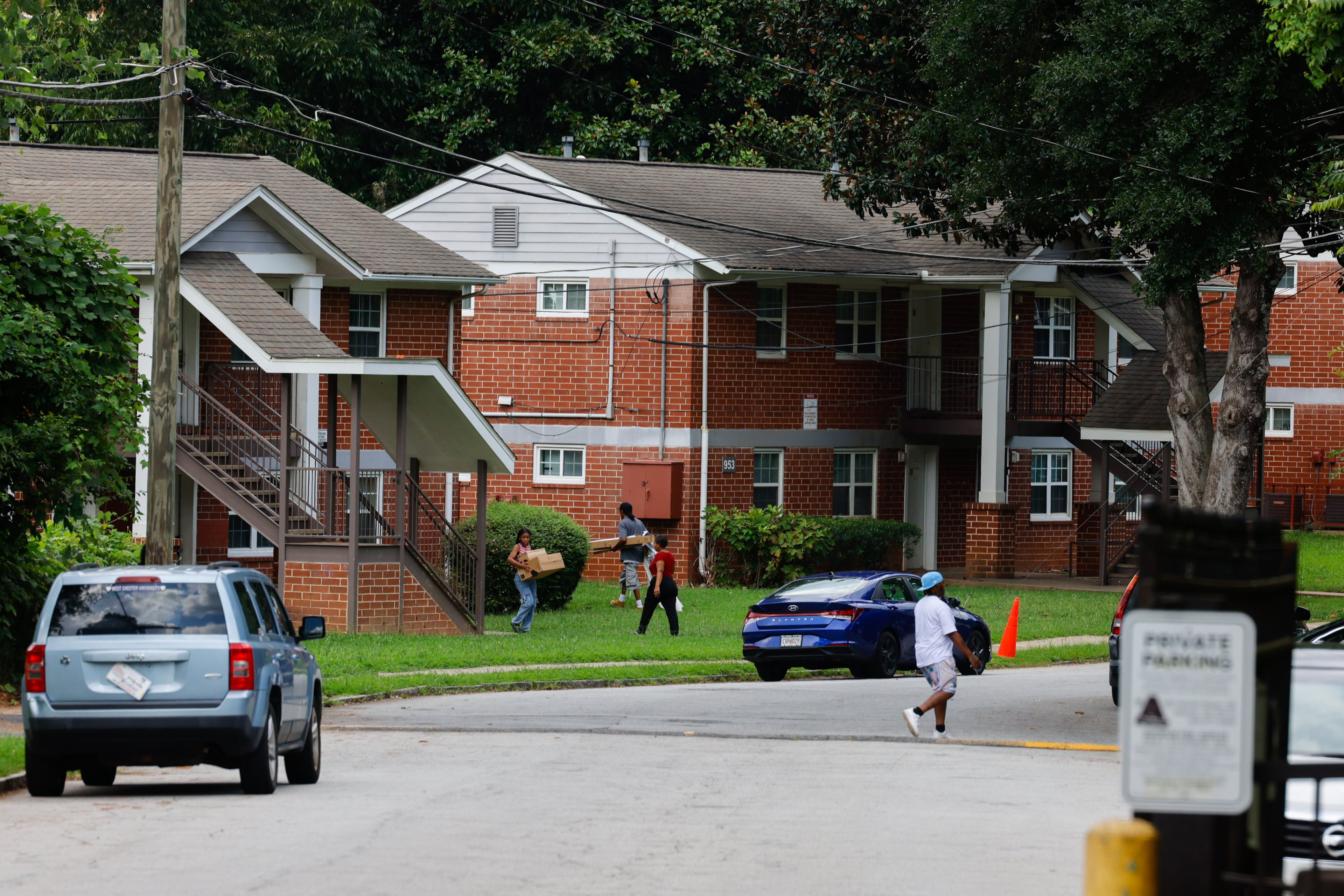
Trestletree was highlighted in The Atlanta Journal-Constitution’s “Dangerous Dwellings” series for code violations, crime and sewage overflows. The complex became a focus for city and county crackdowns on dangerous apartments.
Because Trestletree is located in gentrifying neighborhoods, property managers are more motivated to respond to the concerns of the surrounding community than to Trestletree tenants.
This mode of engagement must change.
Wingate representatives said on Wednesday the residents of Trestletree are their first priority.
“There are competing priorities in a redevelopment of this complexity, but one has remained constant: the 188 households living at Trestletree today come first,” the spokesperson said.
Wingate is seeking a $23 million tax-exempt bond allocation from Invest Atlanta in September to help fund the $88 million project. The company also plans to apply for Georgia’s Low-Income Housing Tax Credit. The funding is necessary to support the affordability aspect of the project, the company said.
GPNA voted to deny Wingate’s funding request to Invest Atlanta, while South Atlantans for Neighborhood Development (which includes Ormewood Park and other southeast Atlanta neighborhoods) has conditionally supported the request if concern about socioeconomic integration is addressed.
Mike Gardner, president of SAND, said he has struggled to find balance. “Are we letting the perfect get in the way of substantially better?” he said. “Let’s exploit every opportunity we have to get some incremental improvements to the plan.”
I agree with exploitation, as long as tenant voices are leading that conversation.
“A lot of people would rather stay in these apartments as they are and not all of them are good,” said Sims. “If people would rather stay here than move to a new apartment, that says a lot.”
It does say a lot, and even if we don’t agree, we should make sure we hear what is being said.
Read more on the Real Life blog (AJC.com/opinion/real-life-blog), find Nedra on Facebook (facebook.com/AJCRealLifeColumn) and X (@nrhoneajc), or email her at nedra.rhone@ajc.com.