How Georgia agriculture connected me to my roots and my fellow state senators
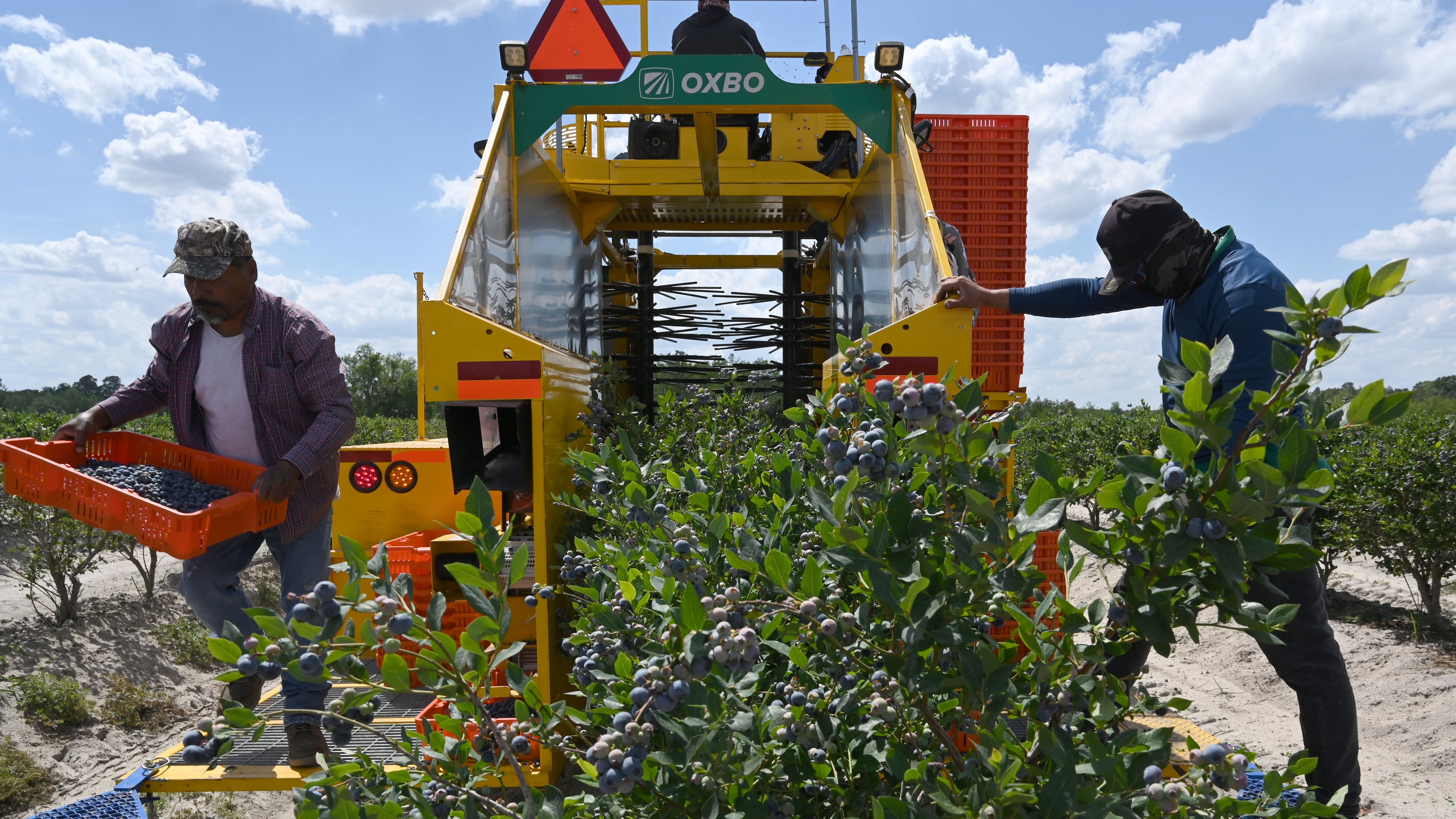
Elvis is playing over the speakers, and everyone in the Georgia State Senate’s Agriculture and Consumer Affairs Committee meeting knows who’s responsible.
Sen. Russ Goodman, R-Cogdell, is famously devoted to his South Georgia blueberry farm and the Memphis icon, Elvis Presley.
Before the committee chairman’s meetings begin, his playlist has a way of putting everyone at ease.
For a moment, Republicans and Democrats, rural and urban, freshmen and veteran lawmakers are just people sitting around the same table.
When Lt. Gov. Burt Jones announced my committee assignments, agriculture was the last thing I expected.
I grew up in southwest Atlanta, practiced pediatric dentistry and served on my county school board before running for state Senate. My first thought was that maybe Lt. Gov. Jones was sidelining this rookie as a sort of hazing ritual.
Looking back, I couldn’t have been more mistaken.
People find common ground through food
Serving on the agriculture committee has broadened my perspective more than any other assignment because it has shown me just how much Georgians have in common.
Agriculture is Georgia’s largest industry, but I’ve come to see it as much more than an economic engine. It is one of the few things that touches every person in our state every single day.
Whether you live on a family farm in South Georgia, in a subdivision in Cobb County, or in an apartment in downtown Atlanta, we all depend on the same food system and the same families who produce it.
That realization became personal for me.
My father grew up on a family farm outside Mobile, Alabama, and my mother’s family farmed what is now the city of South Fulton, long before neighborhoods and subdivisions replaced fields.
I didn’t expect serving on the agriculture committee to reconnect me with that part of my own family’s history, but it has reminded me that agriculture isn’t someone else’s story. It’s part of my family’s story, too.
As I’ve traveled around Georgia, I’ve noticed something encouraging. People who disagree on almost everything else often find themselves asking the same questions about food. They want to know where it comes from, how it was grown, what was used to grow it, and how they can buy more of it locally.
Some people approach those questions through the Make America Healthy Again movement. Others have been asking them for years through environmental organizations, community gardens, or what some jokingly call the “crunchy granola” movement. They may vote very differently, but they often arrive at remarkably similar conclusions about healthier food, fewer unnecessary preservatives, supporting local farmers and knowing where their food comes from.
To me, that sounds like common ground! Literally.
You can see it all across Georgia. Large family farms continue to feed our state, while community farms in Atlanta, backyard gardens in the suburbs, and farmers markets in cities and small towns are helping people reconnect with their food.
Rising grocery prices have also encouraged many families to grow vegetables at home or buy directly from local producers. Whether the motivation is economics, health, or simply supporting neighbors, the result is often the same: People become more connected to the food they eat and to the people who grow it.
Support our farmers in rural and urban areas
As metro Atlanta continues to grow, the old distinctions between rural, suburban, and urban Georgia continue to blur. Agriculture is showing up in places where many people wouldn’t expect it, and that’s a good thing. Community farms, school gardens, and neighborhood farmers markets aren’t replacing Georgia’s traditional agriculture — they’re complementing it and introducing new generations to it.
I’ve seen that firsthand in South Fulton, where leaders like Councilmember Jaceey Sebastian and former Councilmember Helen Zenobia Willis have worked to expand access to fresh food, strengthen connections with food banks, and encourage farmers markets and urban agriculture. Those efforts don’t just provide food; they create gathering places where neighbors get to know one another.
Agriculture Commissioner Tyler Harper has also consistently emphasized agricultural education and expanding opportunities for farmers markets because he understands that food connects people regardless of where they live. That’s a vision I share. Government has an important role to play in making these connections easier.

That doesn’t mean government should tell farmers how to farm. It means local and state government should remove unnecessary barriers that prevent farmers markets, urban farms, and local food producers from succeeding.
Sometimes that’s improving communication between local governments and farmers. Sometimes it’s addressing zoning or permitting challenges that make it unnecessarily difficult to start a farmers market or community garden. Good government should help facilitate these efforts rather than unintentionally standing in their way.
I’ll admit I don’t have much of a green thumb, as gardening has never been one of my strengths. Connecting families, however, is my happy place. I’m learning there are few better ways than agriculture to help strengthen family and community bonds.
What I once thought might have been a political punishment turned out to be one of the greatest blessings of my service in the Senate. It broadened my perspective, reconnected me with my family’s roots, and reminded me that food has a unique way of bringing people together. While it’s easy to lose sight of our food’s origins with neatly packaged food on grocery store shelves, I appreciate the work, the seasons, and the families behind every meal.
Our nation will soon celebrate 250 years together. It’s an opportunity not only to reflect on where we’ve been, but also on what still binds us together as we move forward. In a time when it’s easy to focus on our differences, food reminds us of something simple but profound. Every meal together represents the work of neighbors we’ve likely never met, yet depend on every day. Let’s celebrate it the same way families always have — around the table, on common ground.
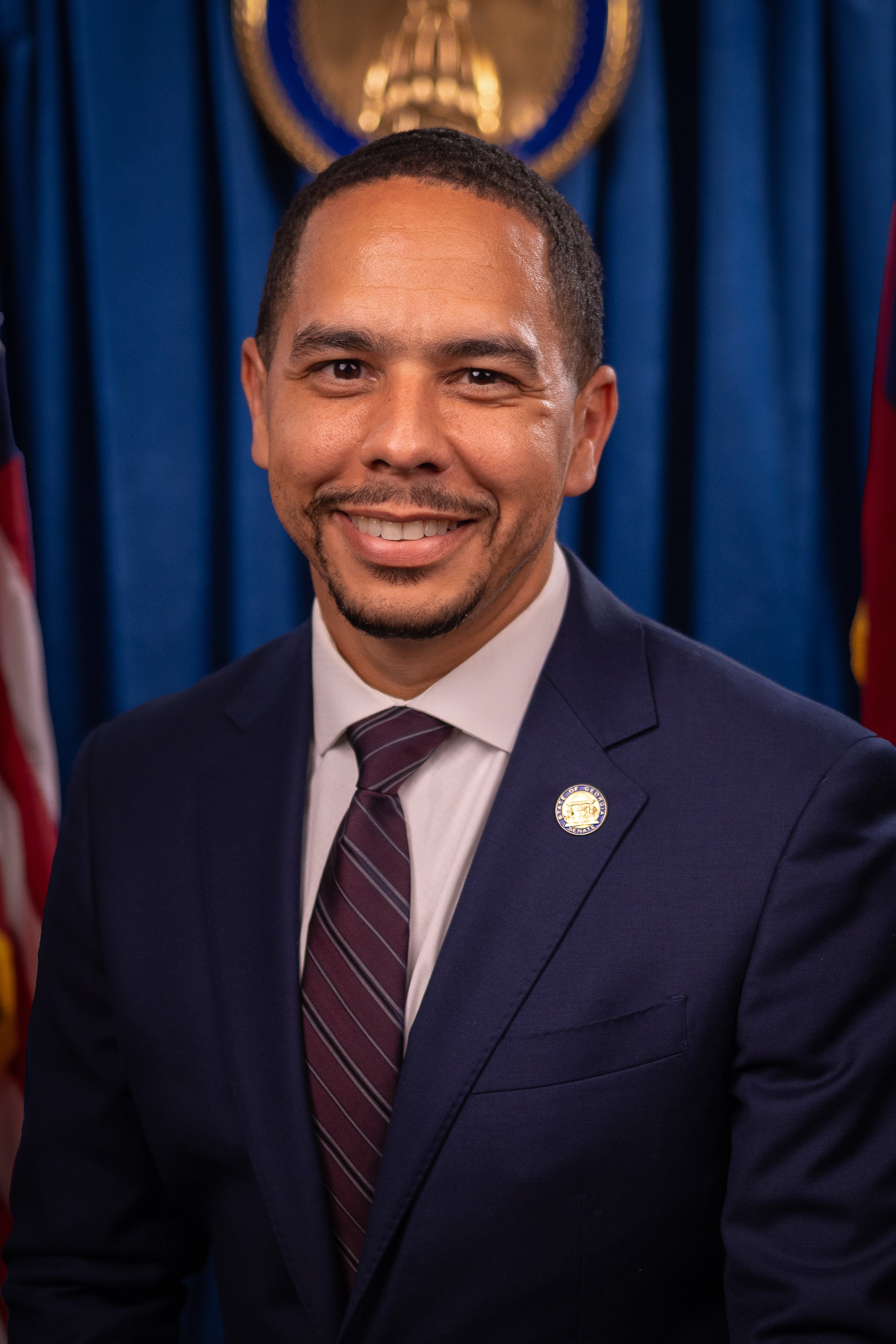
State Sen. Jaha Howard, D-Smyrna (in Cobb County), represents District 35 in the Georgia General Assembly.
Send letters to the editor of 250 words or fewer with your name, city or town and contact information to letters@ajc.com.