Georgia doesn’t need more AI in classrooms. We need more readers.
Editor’s note: As students in metro Atlanta return to school this week, The Atlanta Journal-Constitution is publishing several guest opinion columns about how artificial intelligence is reshaping education. Here is the latest of these essays.
Across the country, conversations about education seem increasingly centered on artificial intelligence. Districts are exploring new software, leaders are focused on preparing “AI-ready classrooms,” and parents are wondering how early their children need to start engaging with this technology.
It’s understandable – AI is exciting, uncertain, and evolving quickly.
But as these conversations gain momentum, a quieter and far more consequential issue is unfolding. A 2025 article in The Atlantic (“America is sliding toward illiteracy”) painted a sobering picture of literacy in America, showing declines that have only worsened since the pandemic.
The data are deeply alarming, especially for Black and brown children and for students growing up in poverty. This is the part of the national conversation I worry we’re losing. Because no matter how impressive and important new tools may be, nothing replaces the fundamental ability to read.
If a child cannot make meaning from text, follow a sequence of events or communicate clearly in writing, technology will not bridge that gap.
AI may shape the future, but literacy determines whether students can participate in it.
Literacy - not software - is the foundation of the future

When we talk about preparing students for the future, we often focus on emerging technologies or new workforce trends.
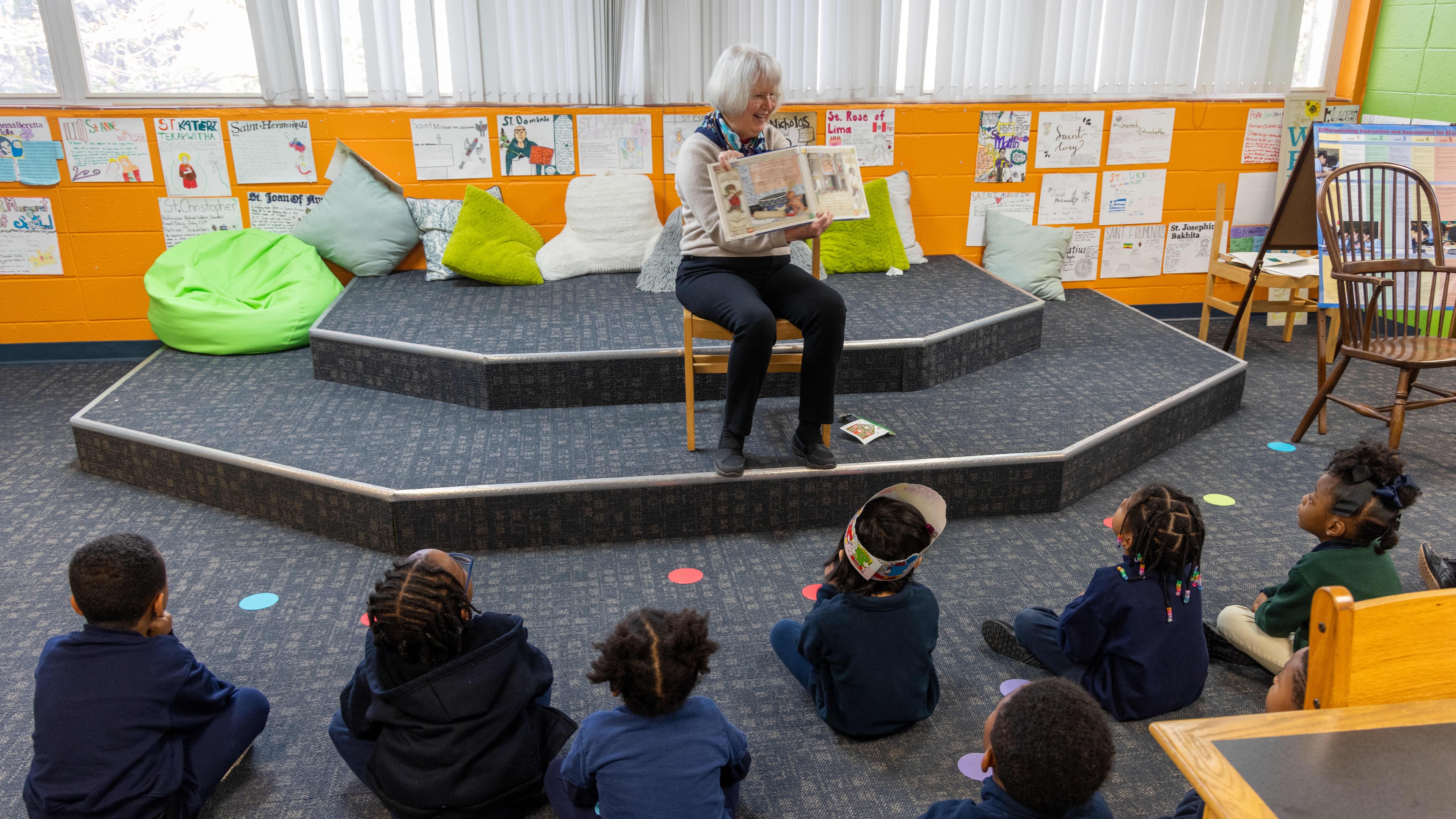
But reading is still the gateway to everything else. At Resurgence Hall, the K-8 charter school I founded nine years ago, literacy sits at the center of our strategy.
While national trends point downward, our students have shown steady growth. On average, they outperform state peers by double-digit margins. These results are not about being exceptional, they’re about being intentional.
AI may eventually transform parts of the classroom experience, but students will still need to read to use it wisely.
They’ll need literacy to interpret the information these tools provide, to question what they see and to navigate an increasingly complex digital world.
If we want graduates who are adaptable and prepared for whatever comes next, literacy – not software – is the foundation. In other words, if we want “AI-ready students,” we must raise readers first.
At Resurgence Hall, we approach literacy the way a healthcare system approaches wellness: through prevention, early intervention, and intensive support when needed.
It’s a model that has helped our students grow year after year, regardless of where they start, and it can be embraced by anyone.
Treat literacy using a three-prong healthcare model
1. Primary care: Strong core instruction for everyone
Every student receives strong, science-aligned reading instruction every day. This is our “primary care.” It means high-quality phonics, rich read-alouds, guided practice and time with teachers who are trained, supported and reflective. This daily commitment prevents gaps before they form.
2. Urgent care: Immediate intervention
When a student begins to struggle, we act right away. We don’t wait for mid-year assessments or year-end scores. Students who need additional help receive targeted small-group instruction focused on the specific skills they’re missing. This is our “urgent care” – responsive, focused and built on the idea that early action prevents long-term learning loss.
3. Emergency room: Intensive, don’t-wait support
For students who arrive significantly behind, we provide one-on-one instruction layered on top of their daily reading block. These are our “emergency room” students, and we mobilize every resource available to help them catch up. It’s steady, patient work that requires coordination and persistence from the entire team. And it works.
This healthcare model approach to literacy reflects one of our core beliefs: Reading is human work. No app, no algorithm, no tool can replace the power of a teacher sitting beside a child, listening, coaching, and celebrating each small step forward. It is based on a truth I believe in my core: Every child can learn to read, and it’s never too late.
A few years ago, we welcomed a third grader who struggled to decode even simple words. She was bright, curious and determined, but reading felt out of reach. Over several years, she received the intensive support she needed: daily one-on-one sessions, small-group instruction, and constant encouragement from her teachers and family. Slowly, her confidence grew as reading began to make sense.
By the time she reached sixth grade, she was reading proficiently on the state assessment – back to “primary care.” More importantly, she saw herself as a reader; as someone who could learn anything she wanted because she finally had access to the tools and language to do it.
Her story isn’t an exception. It’s what happens when schools combine urgency with belief and time with care. It’s a reminder that the work of teaching a child to read is not magic, it’s methodical, it’s loving, and it’s deeply human.
Tori Jackson Hines is the founder and executive director of Resurgence Hall Charter School in East Point, Georgia.
Send letters to the editor of 250 words or fewer with your name, city or town and contact information to letters@ajc.com.