Graham, McConnell, Kean: End cone of silence about politicians’ health

The unexpected death of South Carolina’s powerful Republican, Sen. Lindsey Graham, after returning from a tiring trip to Ukraine is a stark reminder why we need to improve reporting on the health of our national politicians.
Graham’s sudden death produced a flood of conspiracy-driven explanations in both old and new media including poisoning by the order of Russia’s Vladimir Putin. With the world at war in so many regions such speculation is dangerous.
Thankfully, Graham’s staff quickly released a statement saying that his death at the age of 71 was because of an aortic dissection — a rupture of the main artery that carries blood to the body.
This may have been caused they added by underlying cardiovascular disease which weakened his blood vessels. Was he being treated for that risky condition? We don’t know. Other politicians have been far less forthright.
Staying silent about illness is unfair to constituents

Republican Rep. Tom Kean, R-N.J., has now explained his extended absence from public life as because of a serious illness — depression.
Voters in the 7th Congressional District will now decide whether to reelect him in a high-stakes race that Democrats are convinced they can win.
It is commendable that the congressman announced he had been suffering from depression and received helpful treatment. Sadly, stigma still prevails about this and other mental illnesses. His disclosure makes it clear that depression ought to be responded to like any other medical condition, be it cancer, ALS or hepatitis.
However, the New Jersey congressman did not appropriately manage the impact his disorder had on his ability to perform his duties. He covered up his absence for many months.

Silence prevailed about what was going on with him. That was unfair to his constituents.
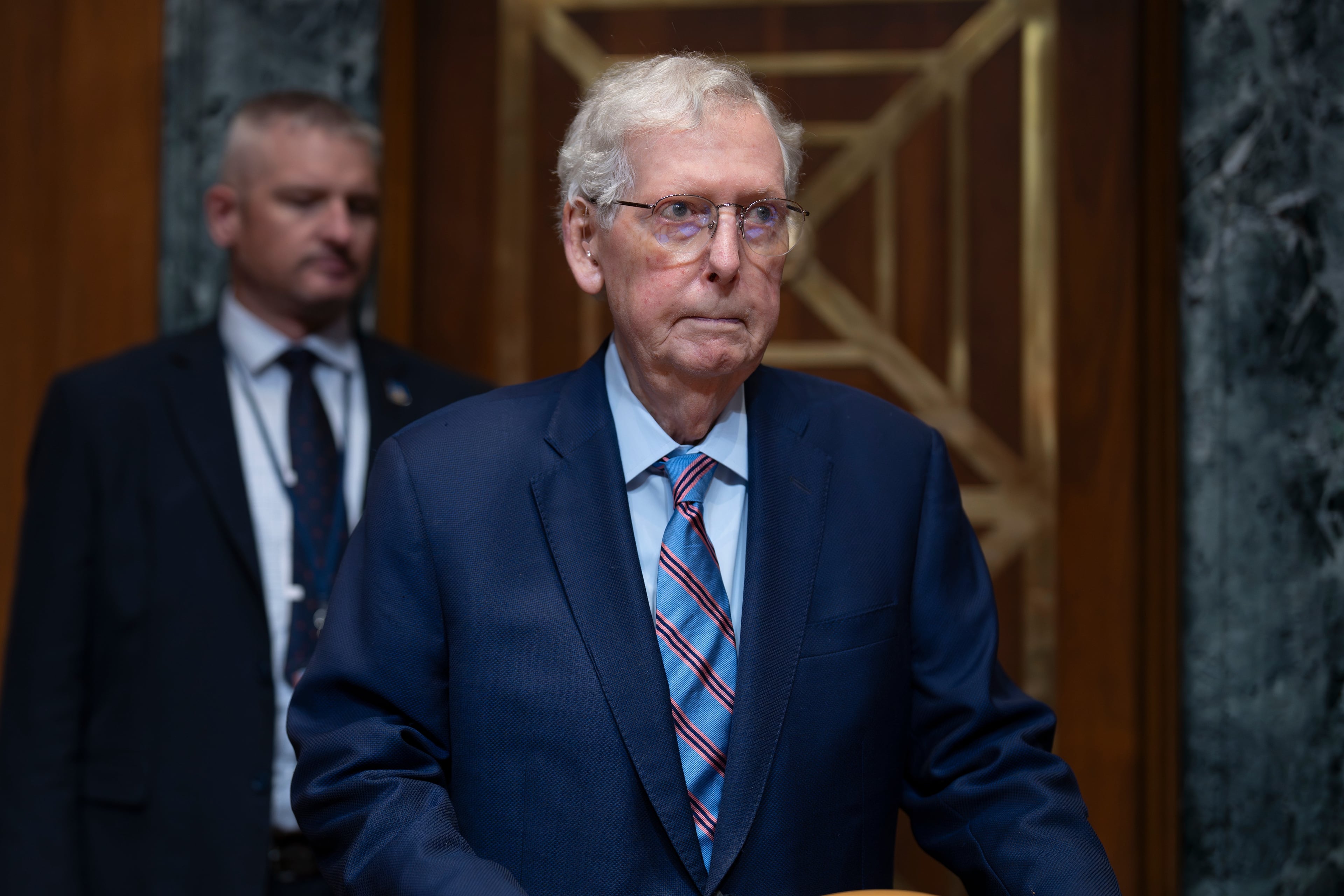
Just as wrong is the silence and obfuscation surrounding the health of Sen. Mitch McConnell, R-Kentucky.
Multiple media outlets reported a first responder dispatch call indicating emergency medical personnel responded to McConnell’s home last month to treat an unconscious person who had experienced “cardiac arrest.” The 84-year-old senator, who is retiring at the end of this term, has experienced multiple medical incidents in recent years.
On two occasions in 2023, he froze while speaking with reporters. He has also suffered multiple falls and uses a wheelchair, a move his office described as a precautionary measure. While announcing a month after his hospitalization that he had pneumonia and another fall, he remains in the hospital unable to perform his duties. The variations in what forced his hospitalization still remain murky.
Congress should enact long-term medical leave rules
Every American has a right to medical privacy. But national politicians representing the interests and needs of others have an overriding duty of transparency if impaired and thus unable to perform their responsibilities.
When a politician needs medical care that requires more than a short absence, say two weeks, they should say so, explain who will be running their office, how votes will be handled and when they are likely to return.
All those who hold high national office whom disease impairs in a manner that impacts their ability to serve should be required to take medical leave. That is what every other American must do when they can’t work for any prolonged period of time.
Over the years we have seen legislators who are obviously severely impaired brought to Congress at least once on a stretcher to vote. This is wrong.
Congress should end the practice of denial and silence about incapacitating illness. A rule ought to be enacted to make clear how a representative can obtain a medical leave of absence, who will carry out their duties for their constituents during such a time and transparency as to when medical experts predict a return is possible if it is. State legislatures should follow suit.
Personal privacy about medical care has limits when one is responsible for the lives of others.
Arthur Caplan, Ph.D. (@ArthurCaplan), is the Drs. William F. and Virginia Connolly Mitty professor of medical ethics at the NYU Grossman School of Medicine. He has previously written guest opinion columns for the AJC on health issues.