Georgians need a public lands champion for Cumberland Island
Public lands belong to every citizen; they are not assets to be sold, transferred or developed.
As a lifelong Georgian and mother of four, I am deeply grateful to those who worked to ensure our coastline was protected as a shared resource for all Georgians. Even then, 100-ish miles isn’t much coastline for 11-plus million residents to share.
Those of us from “less means,” as they say, understand public lands are increasingly the primary way we develop a sense of place and connect to our culture.
My public lands journey began just as authors of the Wilderness Act predicted: seeking escape from a fast-paced, technologically dependent, urban lifestyle.
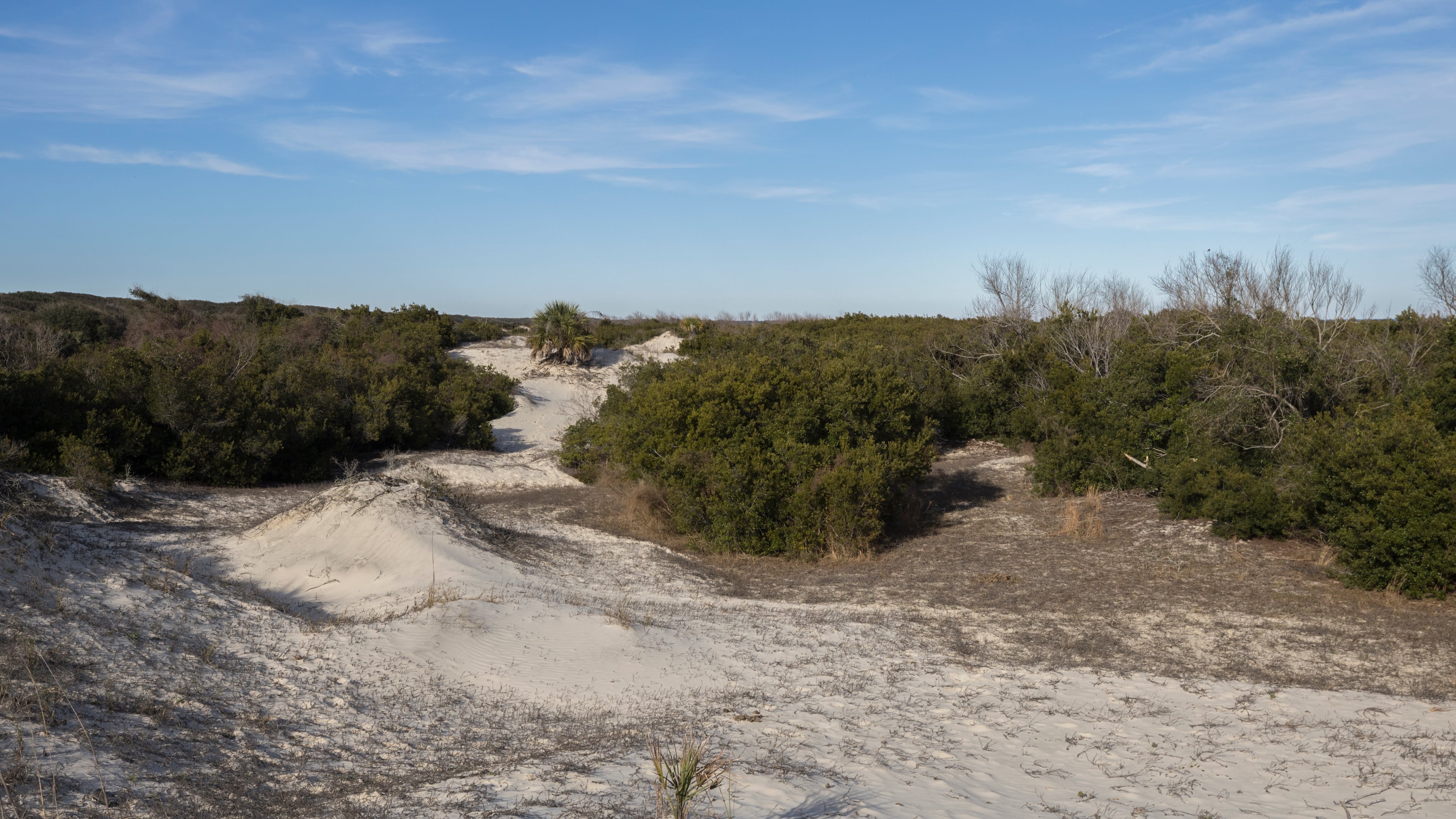
Like millions of Americans, I was drawn to the primitive experiences that Cumberland Island National Seashore offers. Restrictions on daily visitor capacity and new development deliver an unparalleled, always humbling, experience.
As one of only 10 designated national seashores, the island and its adjacent waterways are more than just a paparazzi-free wedding destination (a la John F. Kennedy Jr.) and an isolated recreation destination. Its unique flora and fauna — its biodiversity — was identified as a top priority for protection decades before a bipartisan Congress made it official.
Consider the island’s wildlife and its history
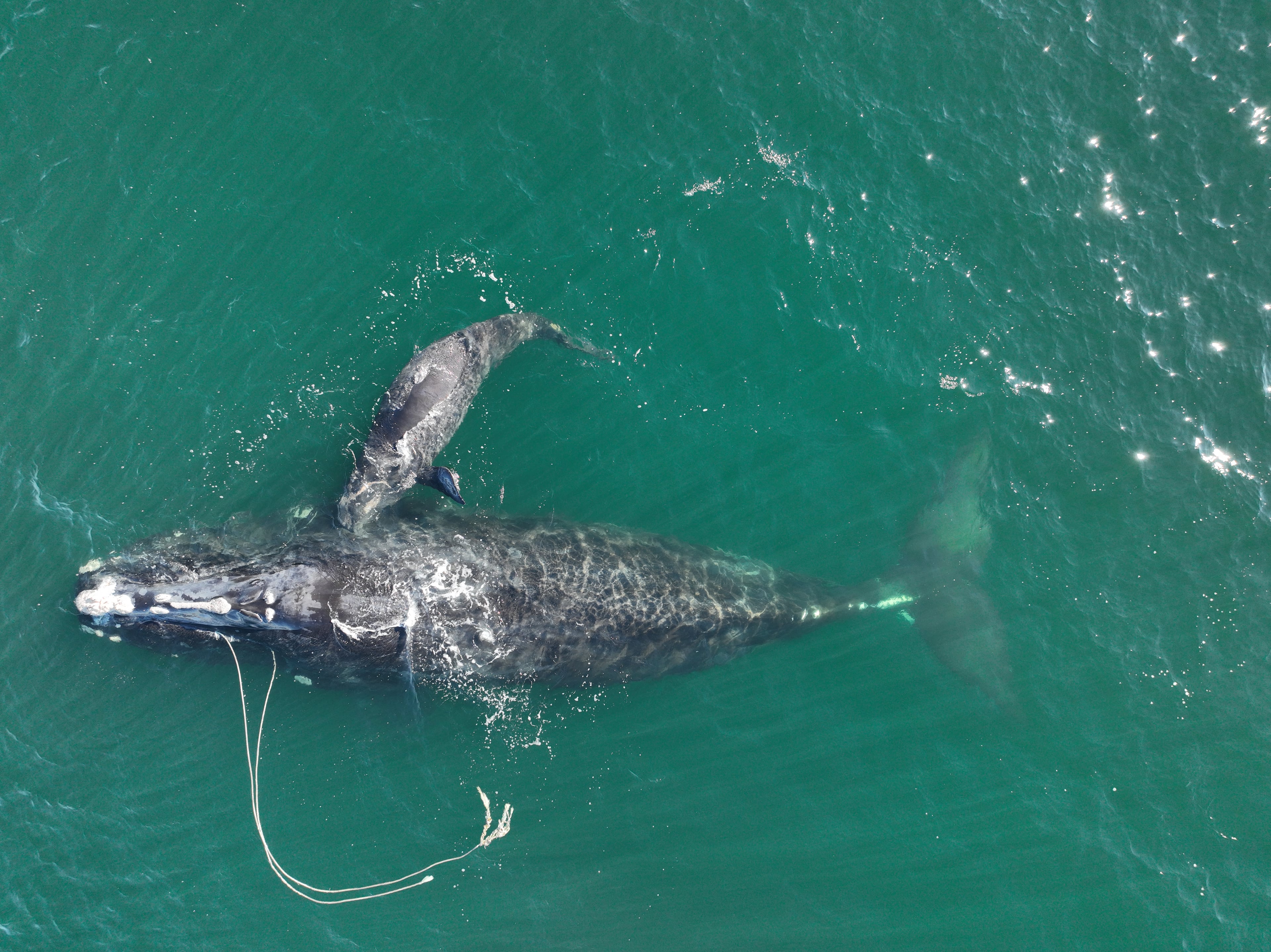
This is where our state marine mammal, the North Atlantic right whale, will calve its young. Here, 18 miles of undeveloped shoreline offers nesting habitat for more loggerhead sea turtles than anywhere else in the state and provides refuge for all three subspecies of piping plovers.
In fact, it has documented more than 300 species of birds and 18 species of snakes; visitors frequently observe dolphins, sharks, rays, manatees and their young from the shore.
Georgia is fortunate to claim the second-largest amount of salt marsh in the nation, but Cumberland holds what may be our nation’s largest-remaining maritime forest — a rare and threatened ecosystem.
As our largest barrier island, it provides critical protection for our mainland communities — the places where Georgia’s families and businesses thrive.
More than 50 years ago, the threat of impending development by Charles Fraser (perhaps best known for developing Hilton Head) led to the compromise that established the seashore in 1972.
Congress added an additional layer of protection 10 years later, when it designated a majority of the island as wilderness and potential wilderness, awarding it the highest form of land protection available.
Members of Congress should come visit
That’s why the National Park Service’s recent proposal to “give away” public lands and allow new development is so egregious.
Every taxpayer should be outraged that the Department of Interior has been working behind closed doors for more than six years to transfer an undisclosed amount of acres of public lands back into private hands.
Every taxpayer deserves to know how much money has already been wasted on these land exchanges, and every taxpayer should be hounding our congressional offices to find out.
There is every reason to believe the agency’s proposed land exchanges are, in effect, “done deals.” Documents recently received from a Defenders of Wildlife (DOW) Freedom of Information Act (FOIA) request show NPS has already fully conceptualized two preliminary land exchange agreements authorizing construction of new homes up to 15,000 square feet.
The proposed plan is a corruption of the seashore’s intended purpose and the agency’s choice to deviate from congressional intent under its proposed plan provides a direct pipeline for significant development and exploitation.
To present the plan as an acceptable remedy (or worse, an improvement) is an insult to Georgians, detrimental to the island’s ecology, and disrespectful to the generations who sacrificed for a larger vision. There are certainly other alternatives and funding mechanisms which could, and should, be explored as alternatives to any re-privatization of public lands.
The strategies and tools being used to chip away at public lands may look a little different in Georgia — but things still tend to work a little differently down South.
Georgians desperately need — and deserve — congressional representatives who not only understand our state’s array of irreplaceable natural resources and the value of public lands but choose to champion them.
Wild Cumberland would like to invite Georgia’s congressional leaders to unplug from the frenetic pace of politics, for just one night: Leave the pollsters, social media influencers and headlines on the mainland. Experience the deafening rise of birdsong at dawn, the chorus of tree frogs emanating from within the expansive canopy of live oaks and bear witness to the treacherous journey of our sea turtles. It’s the only way one can understand what is truly at risk — perhaps, it will motivate you to protect it.
Jessica Howell-Edwards is a lifelong Georgian and mother of four who serves as executive director of Wild Cumberland, a grassroots nonprofit dedicated to protecting Cumberland Island and its wilderness.
Send letters to the editor of 250 words or fewer with your name, city or town and contact information to letters@ajc.com.