America at 250: Was slavery wrong? Museums must now answer that question.
Recently, my cousins and I traveled to Georgia on a special invitation. This state carries some of the deepest wounds of slavery. It was there that some of its residents sought to mend the past.
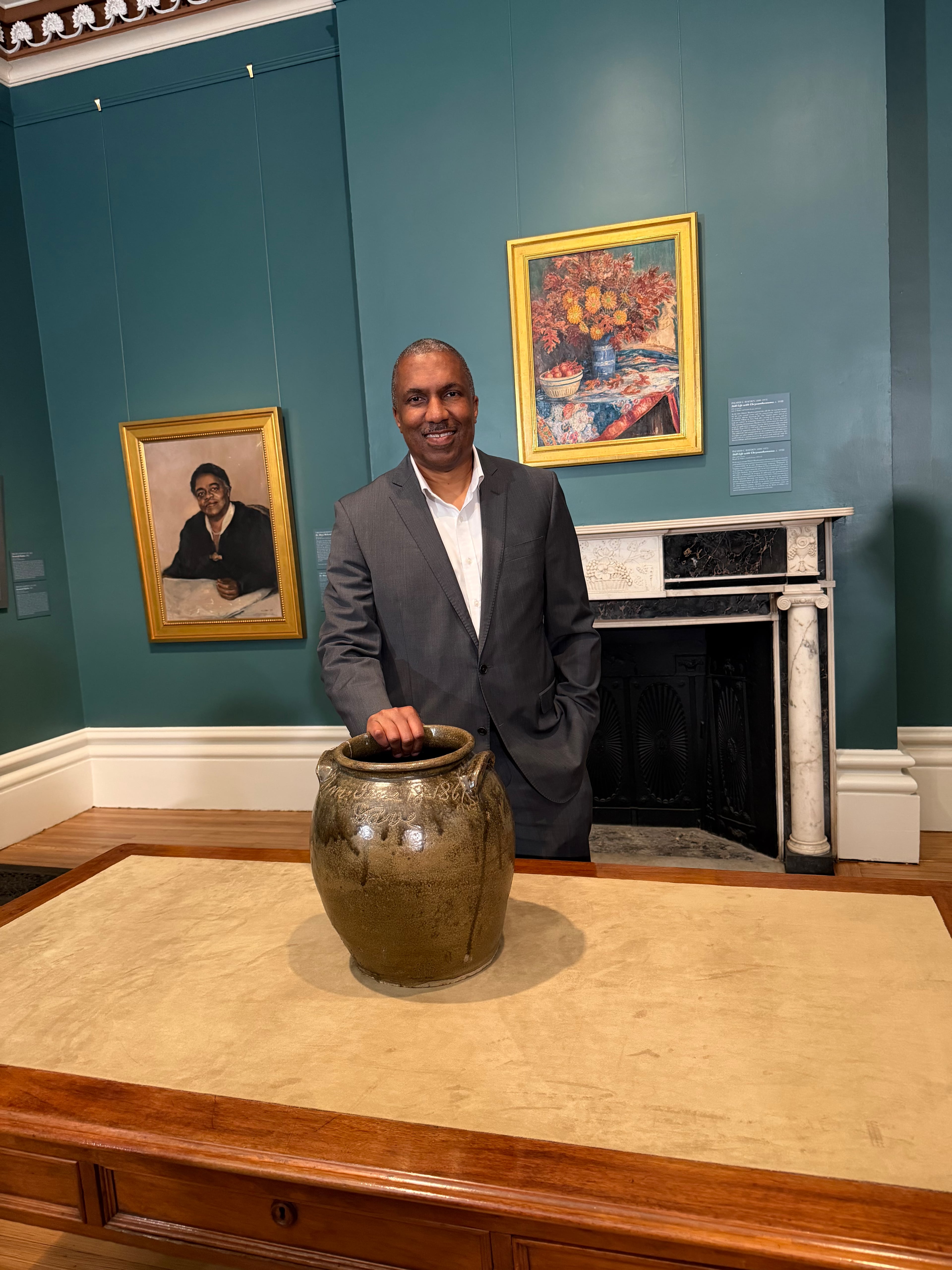
In Athens, I met a gentleman who, for the past 30 years, had stewarded a rare stoneware jar made by my fourth great-grandfather — the enslaved American potter David Drake, also known as Dave the Potter.
When he looked me in the eyes, I could see how much that jar meant to him. It was one of his most prized possessions. He handed it to me anyway.
The decision wasn’t easy. But he knew it was the right thing to do. He knew that if the roles were reversed, he would want the jar returned to the family to whom it rightfully belonged.
Together, we carefully packed the jar and drove to the Georgia Museum of Art. My family has decided to lend the jar to the museum so it can be seen by the public and used for educational purposes.
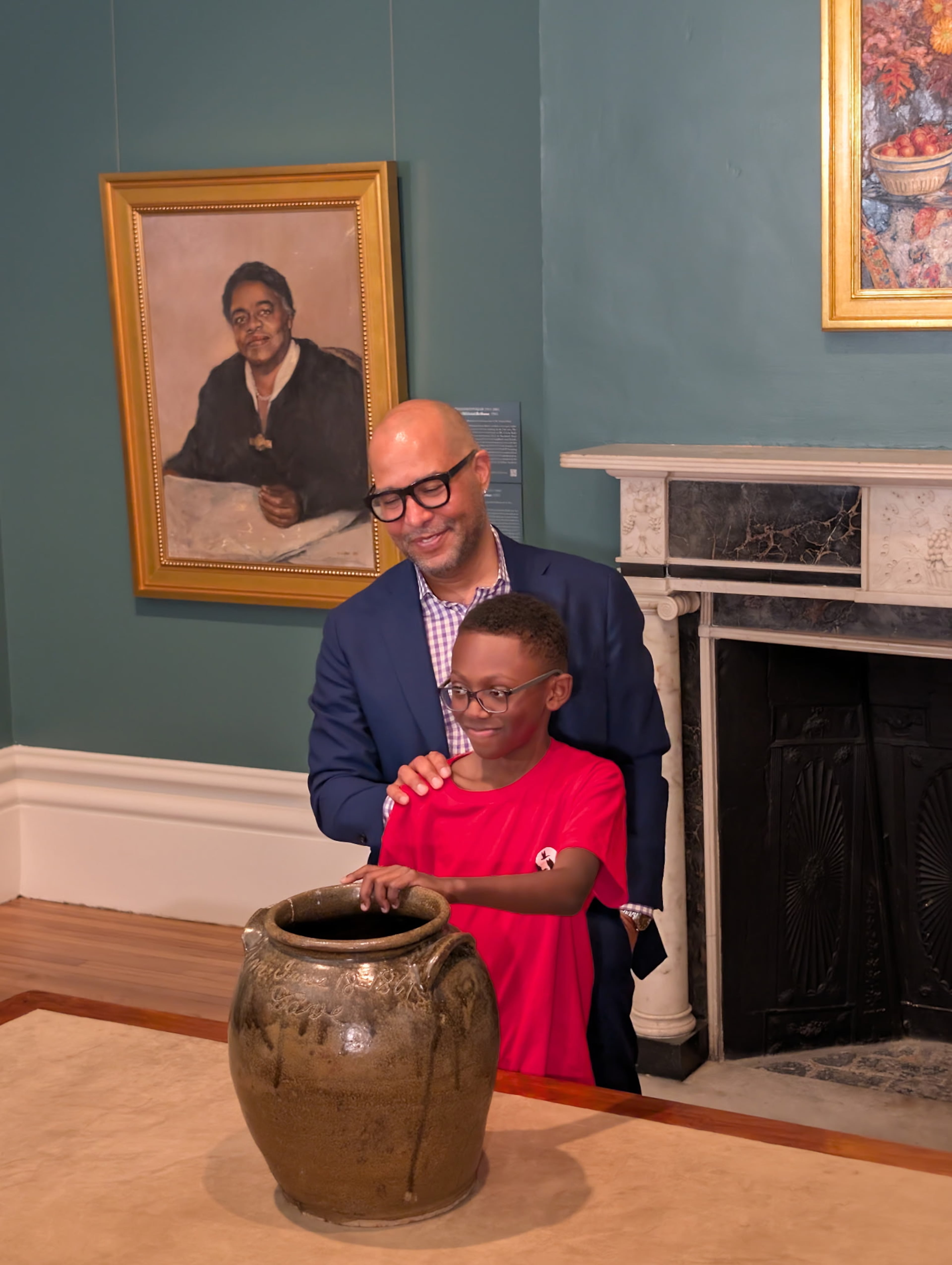
Just days before, in Savannah, the Telfair Museums also returned a historic jar in its possession to my family. Watching my 8-year-old cousin press his hands against a jar crafted by his sixth great-grandfather nearly two centuries ago was one of the most moving moments of my life.
We have also agreed to lend this jar back to the Telfair so it can be continuously seen by the community and used in the local school curriculum — where it teaches all eighth graders in the county about history, art, identity and, now, justice.
Most of the world acknowledges slavery was wrong
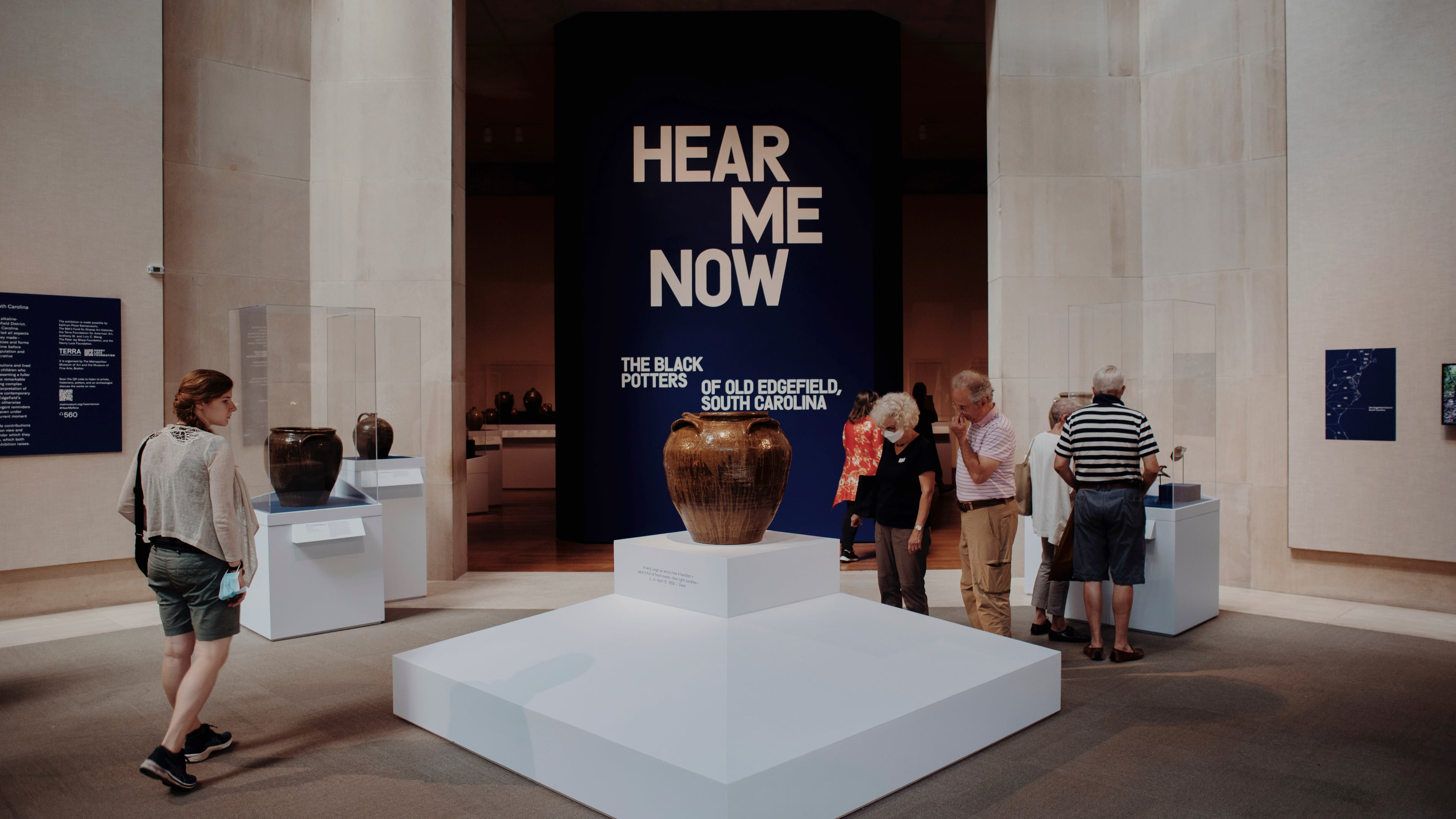
Dave created thousands of ceramic masterworks in Edgefield, South Carolina, a district whose ceramics industry was built on enslaved labor. He dated and signed many of his works, and inscribed poems on vessels, bravely defying the anti-literacy laws of the time. In turn, his jars became even more valuable.
His enslavers owned them. Traders owned them. And today, American museums and collectors own them. Dave was legally prohibited from owning any property — including the vessels his own hands formed. Now, his works are displayed as cultural treasures while Dave’s descendants are denied the benefits of their ancestor’s legacy.
On Saturday, we marked America’s 250th anniversary. By now, the vast majority of Americans and the world have agreed that slavery was an abomination.
In March, the United Nations General Assembly adopted a landmark resolution declaring the transatlantic slave trade as the “gravest crime against humanity.” The ownership of human beings — their bodies, their labor, the products of their hands, their minds and their children for over 10 generations — stands as one of our nation’s most enduring shames.
When Nazi-looted art was discovered in museums, the moral consensus to return the works to the Jewish families was swift and clear. In fact, the Holocaust Expropriated Art Recovery Act of 2025 — legislation to formally help Holocaust survivors and their heirs recover art and cultural property stolen by the Nazis — was recently enacted into law.
Museums understand that possession gained through historical violence, theft or coercion cannot give rise to moral title — and that in such circumstances, their duty is to return the work to its rightful owners.
And yet, my ancestor’s jars remain in the possession of the Philadelphia Museum of Art, the Metropolitan Museum of Art and other museums throughout the country.
Cultural institutions should act before it’s too late

Several museums and private collectors — like the Museum of Fine Arts, Boston, the Telfair and the collector mentioned above — have made the honorable and just choice. They have actualized the essence of the HEAR Act long before it became federal legislation.
Conversations are progressing with institutions, and for that we are grateful. The question I ask is a simple one: Will my family be awarded the same dignity as others who have faced historic atrocities?
Dave’s eldest living relatives are in their 80s. Just recently, our aunt passed away without seeing the jar held by these museums restored to his descendants. Time is not on our side. Every day that passes is another day that my family members may never see justice. Sometimes doing the right thing means sitting with an uncomfortable truth.
For these museums, continuing to benefit from work that was stolen — work made by a man who was himself stolen — is not a neutral act. It is a continuation. Slave owners refused Dave the right to possess what he made. When these museums refuse his descendants that same right, they have placed themselves, however unconsciously, in a line of succession that leads directly back to the plantation.
We are pleased to work with museums to set a new course. With honesty and courage, moving away from the country’s history of perpetuating injustice through inaction to championing it.
Returning this work does not erase history. It declares — in deed, not just in word — that the benefits of slavery end here. As we look toward another 250 years of America, I hope museums will seize this moment to begin a new chapter: one that finally affirms that every aspect of slavery was wrong, past and present.
The private collector understood this. So did Telfair and the MFA Boston Museum when they returned their Drake jars to my family.
When you visit the High and other museums, I encourage you to witness the brilliance and beauty of Dave’s work. Ask yourself this question: Was slavery wrong? If the answer is yes, I invite you to join us in inviting museums to return these jars to Dave’s family, my family.
Yaba Baker is a fourth-generation grandson of David Drake, aka Dave the Potter.
Send letters to the editor of 250 words or fewer with your name, city or town and contact information to letters@ajc.com.