As World Cup begins, safety of journalists is no longer a given in the U.S.
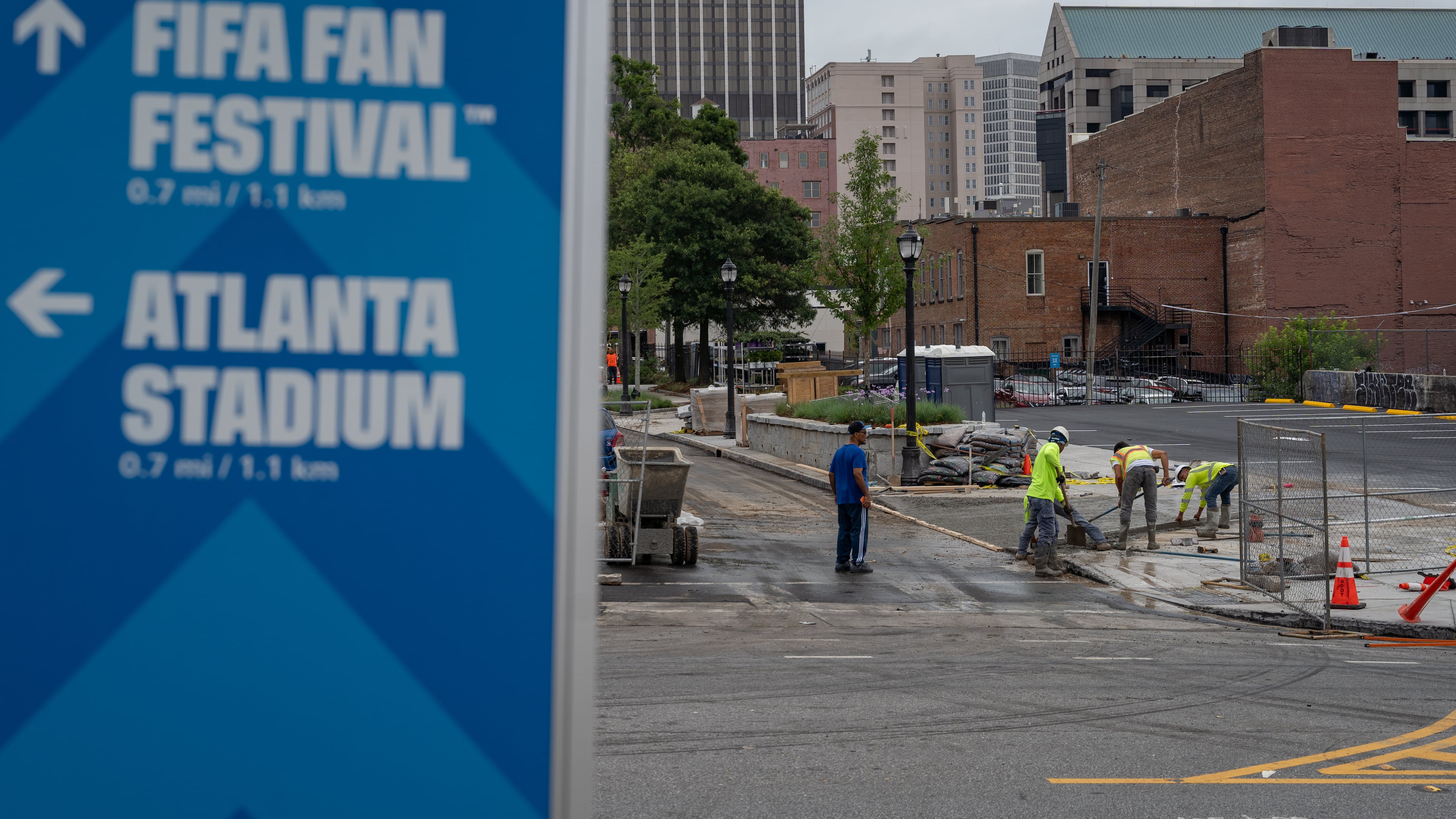
On Thursday, the 2026 FIFA Men’s World Cup kicks off in Mexico, the U.S. and Canada and thousands of journalists are preparing to cover one of the world’s biggest sporting events. But this year, it’s not only the expanded number of national teams competing in the tournament that indicates it’s not business as usual.
As Atlanta prepares to host its first World Cup game Monday, journalists traveling to and reporting within the U.S. are doing so in an increasingly challenging and unsafe environment for the press, against a backdrop of fast unraveling democratic norms.
The usual tests of reporting during large-scale sporting events — unpredictable crowds, police activity and the unreliable behavior of inebriated fans — are compounded by a politically charged atmosphere and recent crackdowns on immigrant reporters.
For journalists covering the 2026 World Cup, it’s the unpredictability of what they may encounter outside of American stadiums that could place them at risk.
Reporter Mario Guevara’s arrest in Atlanta shows the stakes
As most fans will consume the games through the media, it is crucial that journalists are able to report safely. Safety considerations for sports journalists are nothing new. Female sports journalists have previously described to the Committee to Protect Journalists unwanted touching and sexualized comments while on assignment. Others described relentless and invasive online harassment so severe that it puts off girls from entering the profession.
What is new is that the safety of journalists is no longer a given in the U.S.
The Committee to Protect Journalists has spent months preparing journalists to cover the games safely. While our organization has documented press freedom violations in the other host countries, Canada and Mexico — the latter of which has shockingly high rates of impunity, with more than 150 journalists killed since 1992 — the state of press freedom in the U.S. is fraught and rapidly evolving.
The upcoming World Cup brings the severe safety concerns we’ve helped journalists navigate for the past several years into sharp relief. Journalists, editors and their newsrooms must take steps now to keep their colleagues safe while covering the upcoming games.
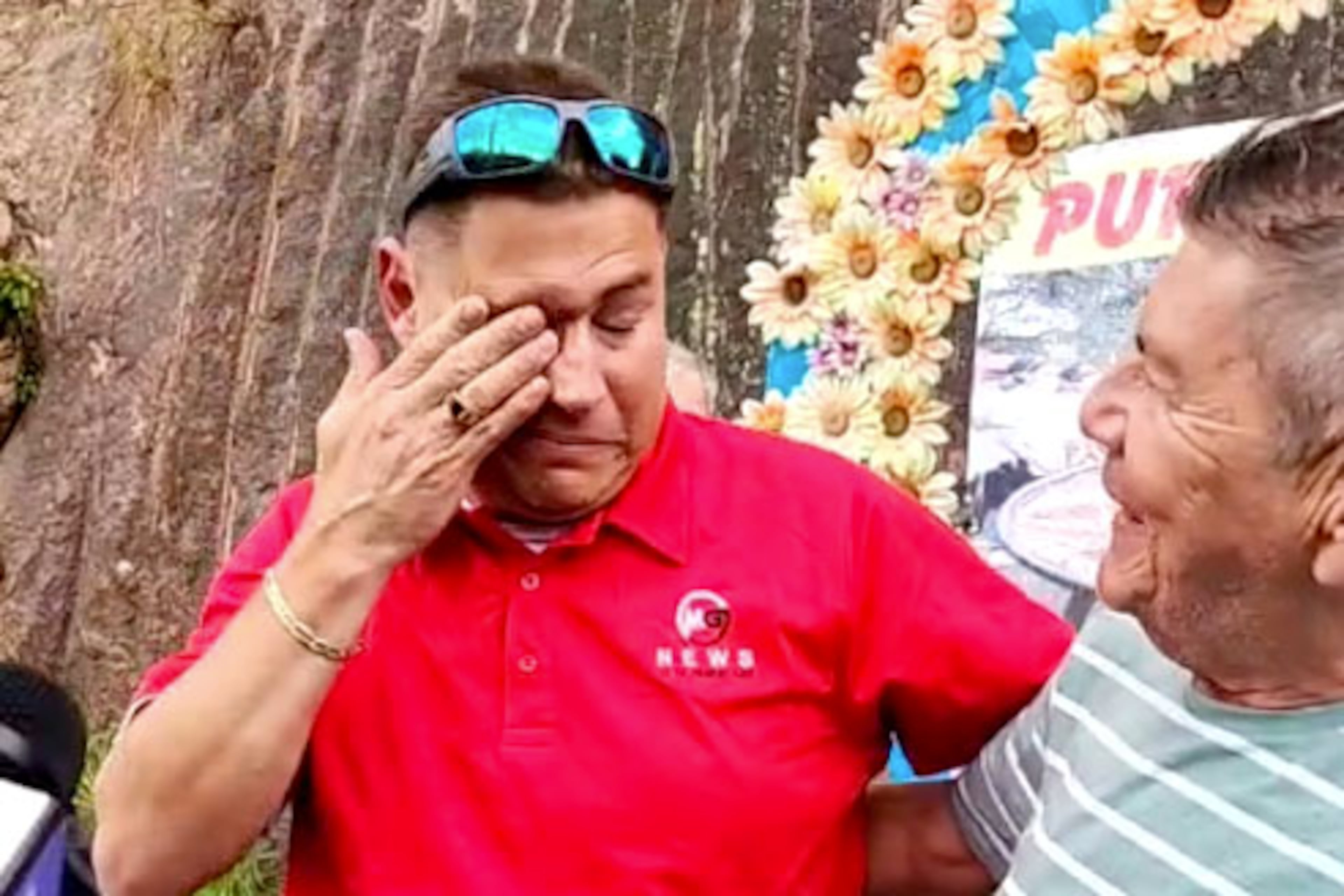
Non-U.S. citizen journalists reporting in the U.S. must proceed with care. Mario Guevara, formerly of metro Atlanta, and Estefany Rodriguez of Nashville, Tennessee — both two non-U.S. citizen journalists — were arrested by authorities in the U.S. in recent months.
An Emmy-winning Spanish-language reporter who covered immigration, Guevara was arrested June 14 after livestreaming a metro Atlanta area “No Kings” protest against the Trump administration’s policies. Guevara was deported back to El Salvador, while Rodriguez was released on bond.
Immigration and Customs Enforcement, which is now the largest law enforcement agency in the U.S., will be present at World Cup matches, although its actual role is unclear. Journalists should take this into consideration when planning their assignments.
People covering the event should know their rights
Journalists have also been stopped at U.S. airports over the past year, including host city airports, and questioned about their reporting, including stories about immigration and protests. Those traveling to cover the World Cup should know this is a possibility.
Ahead of traveling, reporters should review prior reporting and social media posts to determine whether or not these might be flagged by authorities. Journalists should prepare their devices for potential searches by removing any sensitive reporting data, including source contacts.
Protests bring the risk of physical injury as well as arrest and detention; U.S. journalists Don Lemon and Georgia Fort, Lemon’s producer, and photojournalist Junn Bollmann were all arrested during their coverage of a protest in a Minneapolis church earlier this year and are facing federal felony charges. Journalists should review best practices for reporting during protests, which can erupt suddenly and can be fluid and unpredictable.
Every single journalist covering this World Cup, whether inside the stadium or out in the community, should know their legal rights as reporters.
The World Cup is a chance to celebrate soccer and bring fans and teams from across the globe together. The world will be watching, reading and listening because of the fundamental work of the journalists covering it.
Newsrooms and editors need to ensure they prepare their journalists for the potential risks of this World Cup so journalists know their rights and feel empowered while reporting. The World Cup reporting you engage with each day depends on it.
Lucy Westcott is the chief emergencies officer at the Committee to Protect Journalists.