Nonpartisan bill doesn’t merit governor’s signature
Currently, a piece of legislation awaits Gov. Brian Kemp’s decision on whether to sign it.
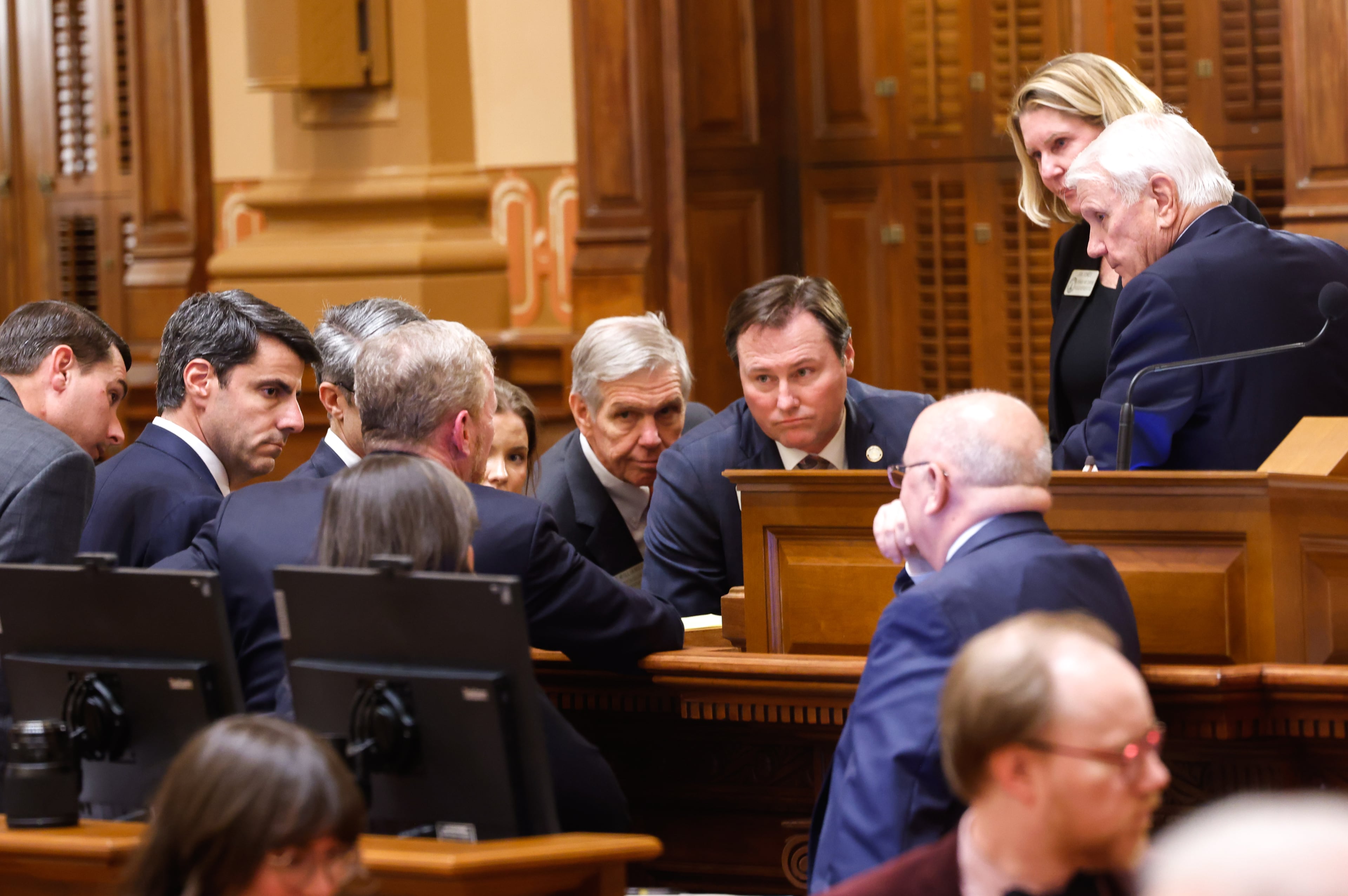
This bill would require five Atlanta-area counties to conduct elections for district attorneys, tax commissioners and county commissioners in a nonpartisan format.
The intent: Remove partisan influences from the individual elected officials who are responsible for carrying out their duties and upholding their oath of office.
It is noteworthy that the push for this change originated from rural county legislators who are themselves partisan. Their initiative reflects their belief in what would be best for Atlanta, despite representing rural areas.
From 2001 through 2014, during my tenure as the elected sheriff of DeKalb County, the Georgia Sheriffs’ Association repeatedly proposed the idea of allowing all Georgia sheriffs to run as nonpartisan candidates before rural legislators to push the legislation forward. However, those legislators consistently rejected the proposal. Their reasoning was clear: rural legislators relied on endorsements from their sheriffs to secure their own elections or re-elections.
I trust that Gov. Kemp will reject this bill or consider enacting an all-or-nothing law guided by the Rotary Club of America’s Four-Way Test. The test asks: Is it the truth? Is it fair to all concerned? Will it build goodwill and better friendships? Will it be beneficial to all?
THOMAS BROWN, (U.S. MARSHAL) ATLANTA
Transportation improvement depends on eminent domain
Atlanta’s northern suburbs are typified by narrow winding roads that are too few and far between. The result is that they’re hopelessly clogged with traffic, and things will only get worse.
There’s no alternative to getting in the car and marinating in traffic. There isn’t effective public transportation. There are not enough sidewalks, making walking perilous. Riding a bicycle anywhere outside of your cul-de-sac is flatly suicidal.
Against this backdrop, our rural-dominated part-time state legislature has sprung a surprise last-minute bill to dismiss the already hamstrung and embattled regional agencies charged with trying to salvage something from this transportation miasma and replace it with local oversight, which is to say, stop trying altogether.
Significantly, this bill will forbid the use of eminent domain for transportation improvement. Without it, we’ll be sitting in traffic jams on these sclerosed roads forever. But if you’re in rural Georgia, you won’t even notice — until the Atlanta region cash cow that the rest of the state totally depends on dries up.
DEAN POIRIER, LILBURN