A music lover’s guide to New Orleans jazz and beyond
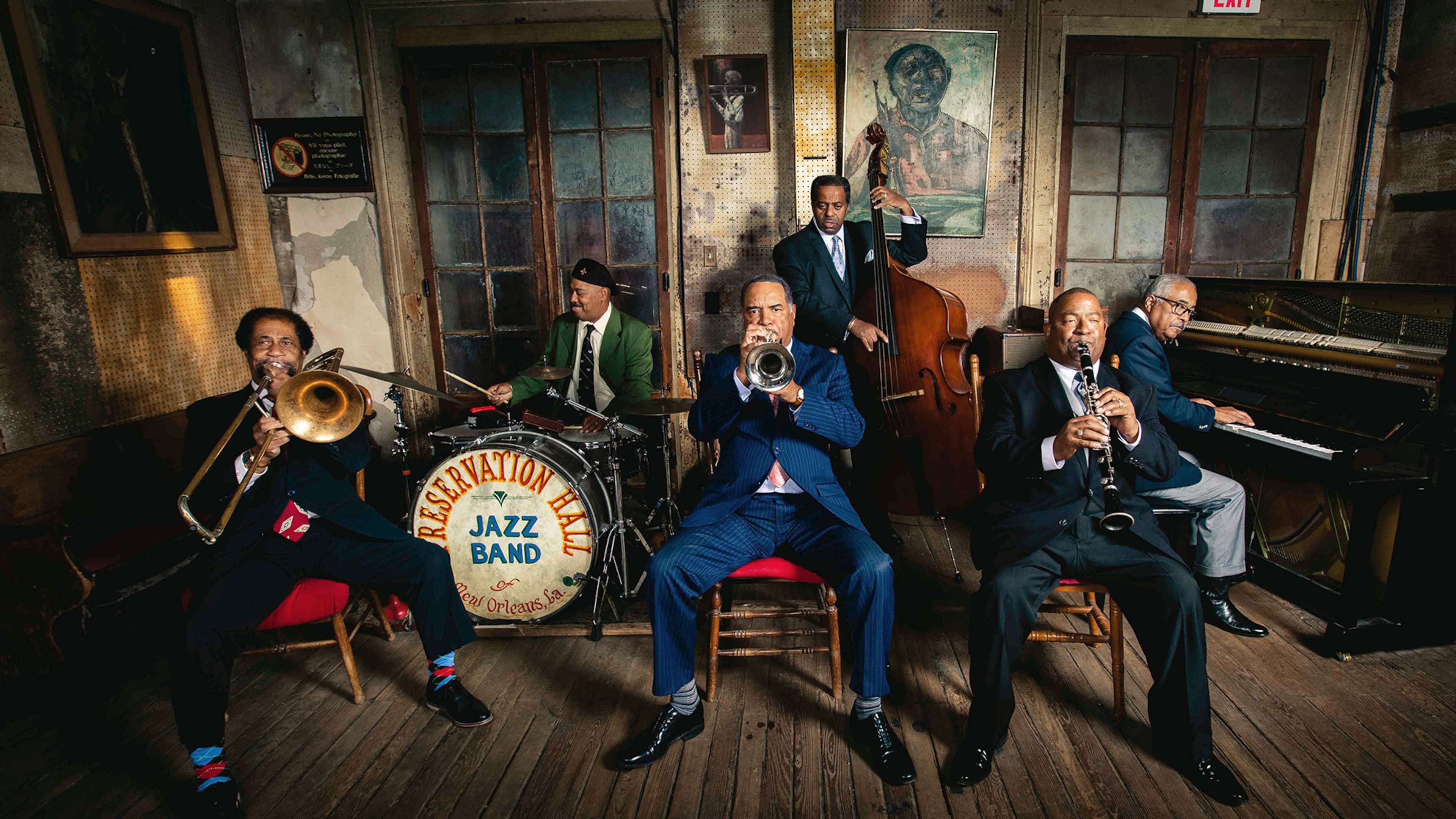
At Preservation Hall in New Orleans, jazz legend Wendell Brunious sings “Tootie Ma is a Big Fine Thing,” in his soulful baritone; the audience responds with “ho-nay-nay, swing that thing!”
The playful call-and-response tune about a curvy woman walking up Rampart Street on Mardi Gras originated in the 1940s with the Mardi Gras Indians (also called the Black Masking Indians), a group of Black Carnival revelers.
As Brunious picks up his trumpet, the Preservation All-Stars rhythm section lays down a solid groove. The instrument bends to Brunious’ will, bellowing cheerfully into the night.
The moment perfectly captures the joie de vivre of the Crescent City.
I was in New Orleans to immerse myself in the lively port city’s musical heritage, starting with its unparalleled jazz scene. Since its founding as a French colony in 1718, New Orleans has been a melting pot of cultures — French and Spanish settlers and enslaved Africans (often by way of Haiti) to name a few — and each brought their instruments and musical sensibilities. The city became a crucible of musical styles, and the result was a sound now inextricably woven into the city’s cultural fabric.
I was excited to hear one of the coolest cats in town play in a venue as iconic as the trumpet virtuoso himself. It can be tempting to think that because a place is a big tourist attraction, it’s inauthentic, but that’s not the case with Preservation Hall. The intimate, 100-seat venue in the heart of the French Quarter has been a living link to New Orleans’ jazz legacy since 1961. Brunious, who comes from a long line of musical luminaries, has been playing here for nearly 50 years.
As the name suggests, Preservation Hall’s mission is to “protect, preserve and perpetuate” New Orleans jazz, the uniquely American art form that sprang from the city’s Black communities around the turn of the 20th century. This “Black music” eventually traveled north, exploding onto the nightlife scenes in Chicago, New York and beyond. Today, jazz is a global phenomenon, and thousands flock to New Orleans every year to catch the sound in the city where it was born.
I caught up with 71-year-old Brunious after the show. He said there’s no imitating his hometown’s distinctive sound.
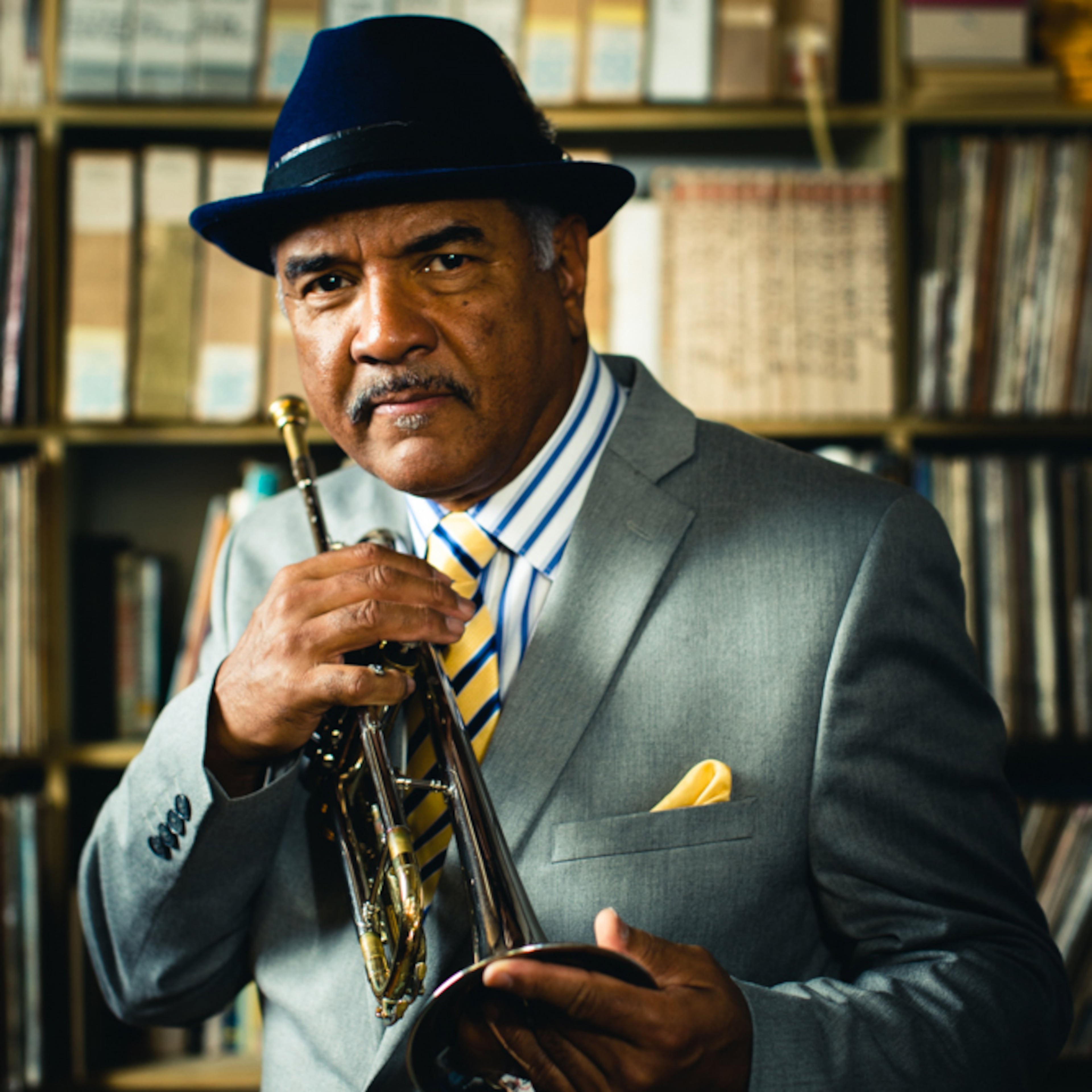
“You can’t learn this in school,” Brunious explained. “This is where music is learned at the foot of the elders.”
For a young Brunious, those elders included legends like Louis Armstrong.
He acknowledges there are many talented musicians in other cities that “have technical ability and can hit a million notes, but, boy, they don’t have the feeling we have. You’ll go out of here whistling and dancing.”
Which is exactly what I did.
New Orleans Jazz Museum
I danced all the way to the New Orleans Jazz Museum to delve deeper into the genre’s roots. Housed on the second floor of the former U.S. Mint, the institution is teeming with artifacts connected to jazz pioneers and the generations they influenced.
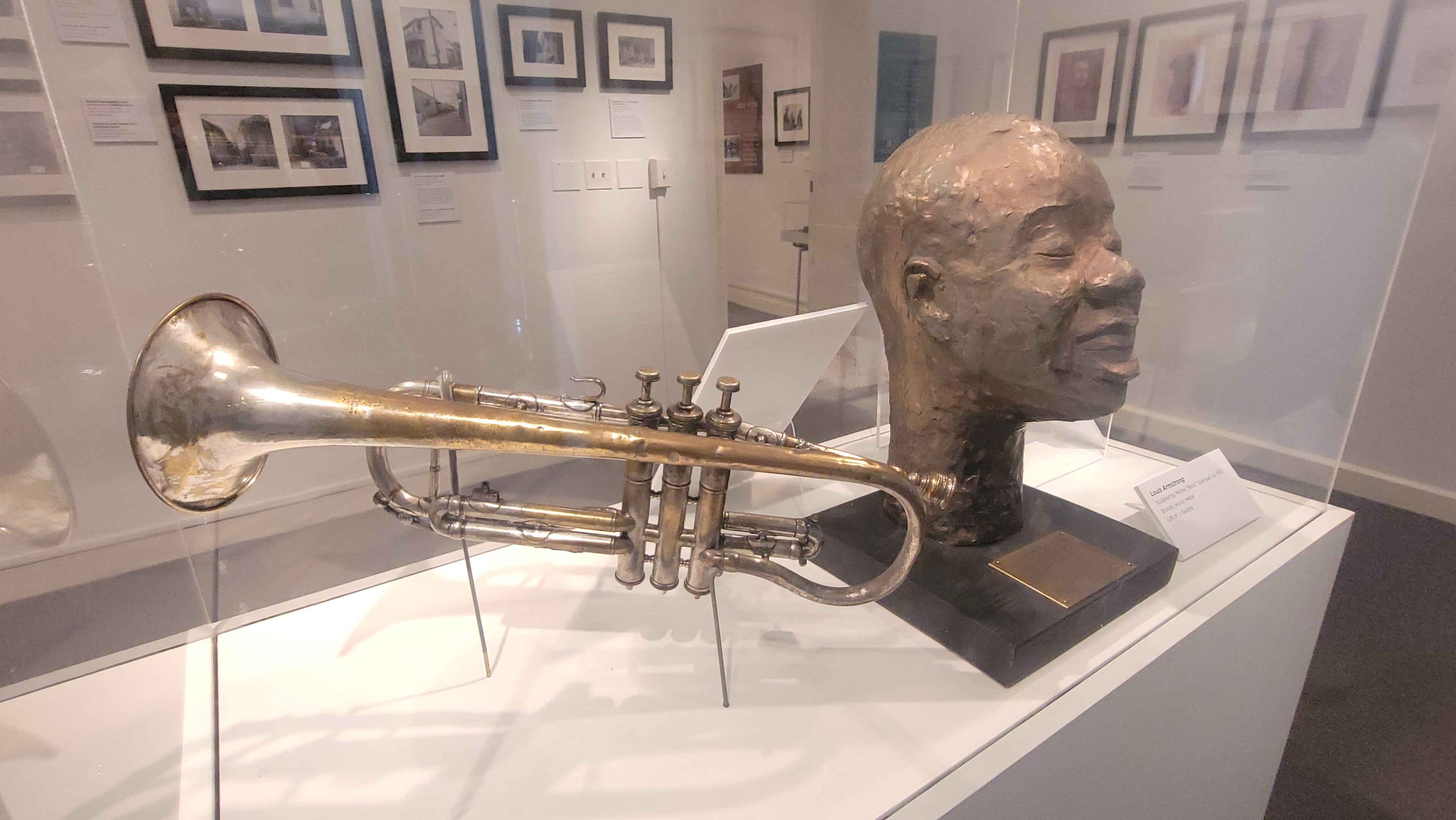
“It All Started in Jane Alley: Louis Armstrong in New Orleans,” is the newest permanent exhibit. Born in 1901, Armstrong was raised by a single mother in Jane Alley, one of the poorest neighborhoods in New Orleans. He rose to international fame as a trumpet player nicknamed Satchmo, but before he picked up the trumpet, he played the cornet at the Colored Waif’s Home for Boys, a juvenile detention center that had a brass band. The instrument is on view next to a bust of its player.
The exhibit features several historical photos of Armstrong’s early life, including one of him with his mentor, Joe “King” Oliver.
Not everyone was excited about the evolution of jazz. In the 1920s, detractors labeled it “the devil’s music,” and dozens of communities around the country prohibited it in dance halls.
“It was the punk music of the day,” museum director Greg Lambousy said, referring to the rebellious anthems that originated in 1970s New York. “Like any other new music, it’s forbidden. It’s exciting. It’s infectious.”
And irresistible to young people.
“Congo Square to the World: Early Jazz in New Orleans,” is another exhibit at the museum. It examines a site many consider to be the cradle of jazz. During the antebellum era, enslaved Africans gathered at Congo Square, now part of Louis Armstrong Park, on Sundays for drumming and singing rituals. The musical style known as jazz wouldn’t arise for decades, but as listening stations throughout the exhibit make clear, the earliest incarnations of the genre were strongly influenced by these African rhythms.
The third floor of the museum features a state-of-the-art performance center that hosts live jazz concerts.
The Dew Drop Inn
Jazz is certainly the most widely lauded music to emerge from New Orleans, but the city was also an incubator for rhythm and blues and rock ‘n’ roll. Nowhere is that more apparent than at the Dew Drop Inn, a cherished musical landmark in the Central City neighborhood.
From 1945 to 1969, the night club nicknamed the Groove Room was a swinging joint on the Chitlin’ Circuit, the network of Black-owned performance venues that thrived in racially segregated Southern cities. It was at the heart of a complex that included a hotel, a restaurant and a barber shop. But it fell into disrepair and was shuttered for decades.
In 2024, developer Curtis Doucette Jr. re-opened the storied site as a live music venue and boutique hotel. Rooms are named after some of the legendary rhythm and blues artists who performed there, including Ray Charles, James Brown, Irma Thomas and Fats Domino.
Doucette was drawn to the blighted building’s history and embarked on an $11 million renovation to save it.
“There were epic jam sessions that happened here,” Doucette said. “You get a bunch of great musicians together and magic just happens.”
For example, Little Richard composed his breakthrough 1955 hit, “Tutti Frutti” on the Dew Drop’s piano.
Patsy Vidalia (born Irving Ale) isn’t a household name, but the beloved female impersonator was emcee at the club from 1947 through the ‘60s. Audiences went wild when the “Toast of New Orleans” sashayed onstage in a shimmering evening gown, removed the cigarette holder from her scarlet lips and purred, “Good evening, darlings. Welcome to the Dew Drop.”
The club was a safe space not only for African Americans, but for the LGBTQ+ community. The annual gay Halloween ball hosted by Vidalia was legendary.
Sepia-hued images of Vidalia in her heyday are on view in the former hotel barber shop, now a small museum. Other items of interest are a 1949 copy of the Negro Motorist Green Book, a travel guide for African Americans during segregation, and vintage restaurant menus.
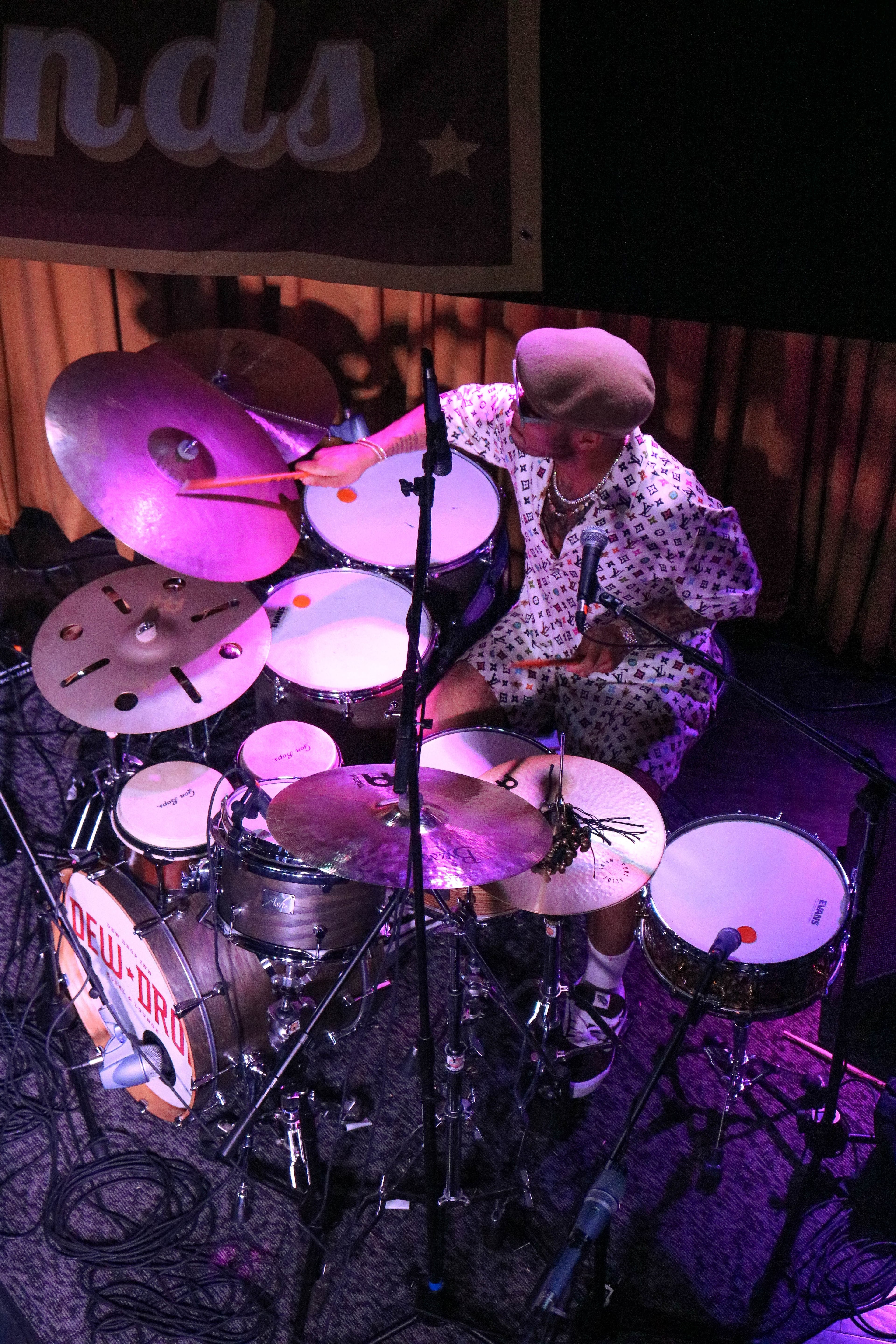
But it’s always been the music that defines the Dew Drop, and today a stage that was dark for years now shines bright with modern talent. Performers like rapper Anderson Paak and pianist Kyle Roussel are literally walking in the footsteps of some of the greatest names in rock ‘n roll.
Musical history is everywhere in New Orleans, but the sound isn’t frozen in time. Like the city itself, the music is dynamic, always evolving. That’s what keeps me coming back time and again.
IF YOU GO
Where to Stay
The Dew Drop Inn in the Central City neighborhood is a recently restored boutique hotel with a live music venue. dewdropinnnola.com
The Roosevelt New Orleans, a Waldorf Astoria Hotel, is a luxury property on the edge of the French Quarter. It’s within walking distance of many of the city’s top attractions. therooseveltneworleans.com
Where to Eat
Delacroix restaurant serves local seafood and more. delacroixrestaurant.com
Gianna Restaurant serves rustic Italian cuisine. instagram.com/giannarestaurant/