Ethics oversight across metro Atlanta endangered by court ruling
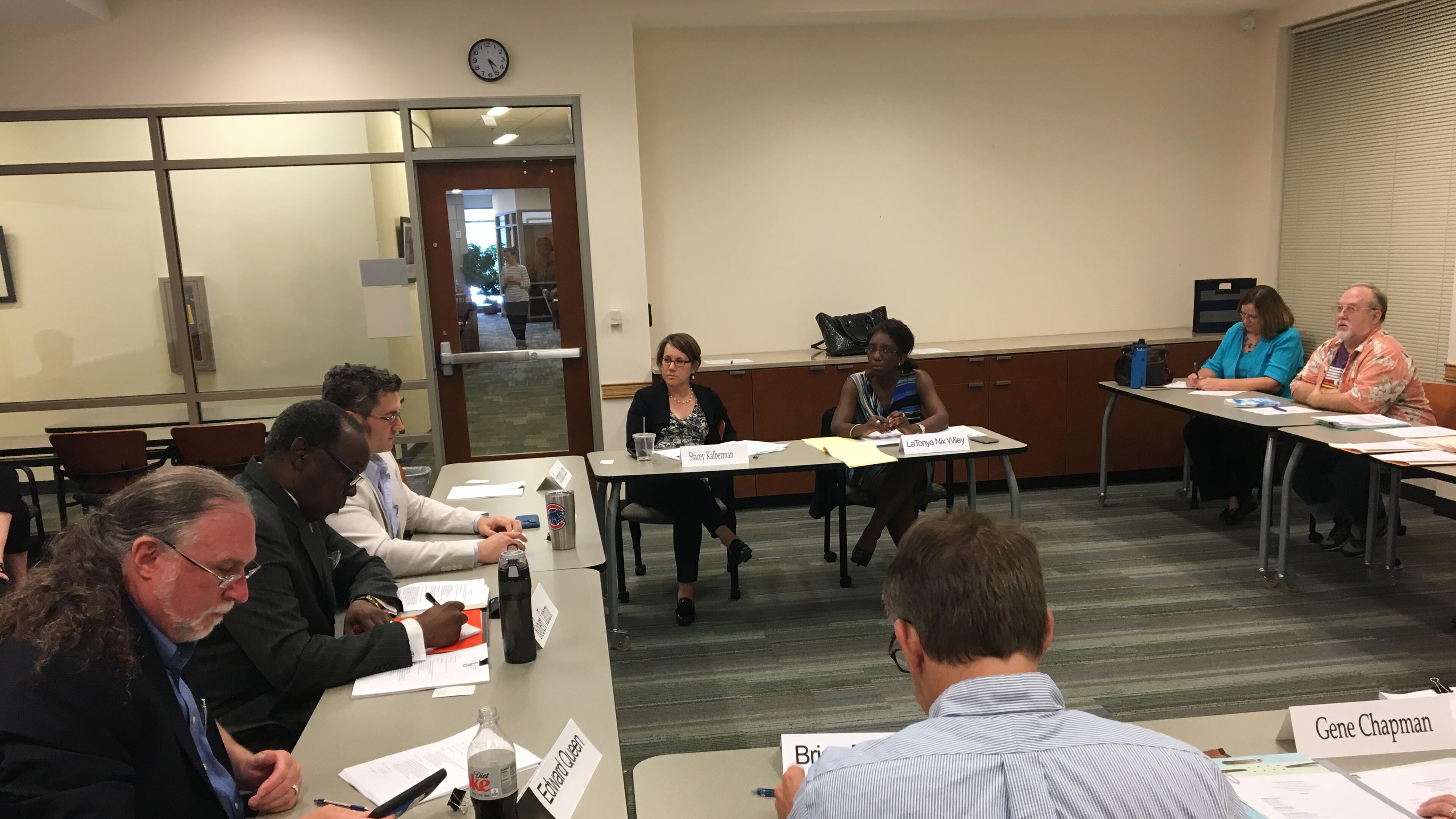
A judge's ruling about ethics in DeKalb County government has the potential to hinder ethics enforcement across metro Atlanta.
The judge decided last week that members of the DeKalb Board of Ethics should have been appointed by elected officials, not by outside organizations. As a result, the board may not be able to handle investigations or allegations of government misbehavior.
As in DeKalb, many other ethics boards also are appointed by private organizations: in the city of Atlanta and Cobb, Fulton and Gwinnett counties.
The ruling in DeKalb doesn’t cover neighboring ethics boards, but they could be challenged in court using the same legal argument against private appointments by groups like lawyers associations and chambers of commerce.
Previously, a spokesman for Gwinnett Commissioner Tommy Hunter, known for calling U.S. Rep. John Lewis a "racist pig" on Facebook, has questioned the constitutionality of private appointees to ethics boards. The Gwinnett Ethics Board is considering complaints against Hunter.
Supporters of ethics boards say outside appointments are essential to their independence from the elected officials they police.
But in DeKalb Superior Court Judge Asha Jackson’s ruling Friday, she wrote that “an accountable government entity” should approve members of ethics boards. She based her decision on a 1979 Georgia Supreme Court case.
The DeKalb Board of Ethics may appeal the decision to the Georgia Supreme Court.
Please read the full story on MyAJC.com.