ICE can learn from use-of-force reforms adopted by Atlanta Police Department
After more than 30 shootings by immigration officers since January 2025, U.S. Immigration and Customs Enforcement is overdue for reforms like those that reshaped the Atlanta Police Department in recent years.
Protests ignited in June 2020 after an Atlanta officer shot Rayshard Brooks in a Wendy’s parking lot, killing him. The shooting came on the heels of George Floyd’s death in Minneapolis only weeks earlier.
Together, those events accelerated a series of policy and oversight changes for the APD. The department tightened restrictions on using force, expanded de-escalation efforts and required officers to intervene when another officer used unreasonable deadly force.
The city also expanded the authority of the Atlanta Citizen Review Board, tasking it with investigating all APD officer-involved shootings. While the board initially encountered delays, in March, it completed its first review.
But such reforms have been glaringly absent at the federal level despite a compelling need.
After the January fatal shootings of Renee Nicole Good and Alex Pretti, ICE initially appeared to stand down. Following a total of six shootings that January, there were two in February and none in March, according to information provided by the Gun Violence Data Hub. But the respite did not mean reform, and violent encounters with immigration officers began to climb.
Policies should reflect best practices and emphasize reducing harm, respecting human life

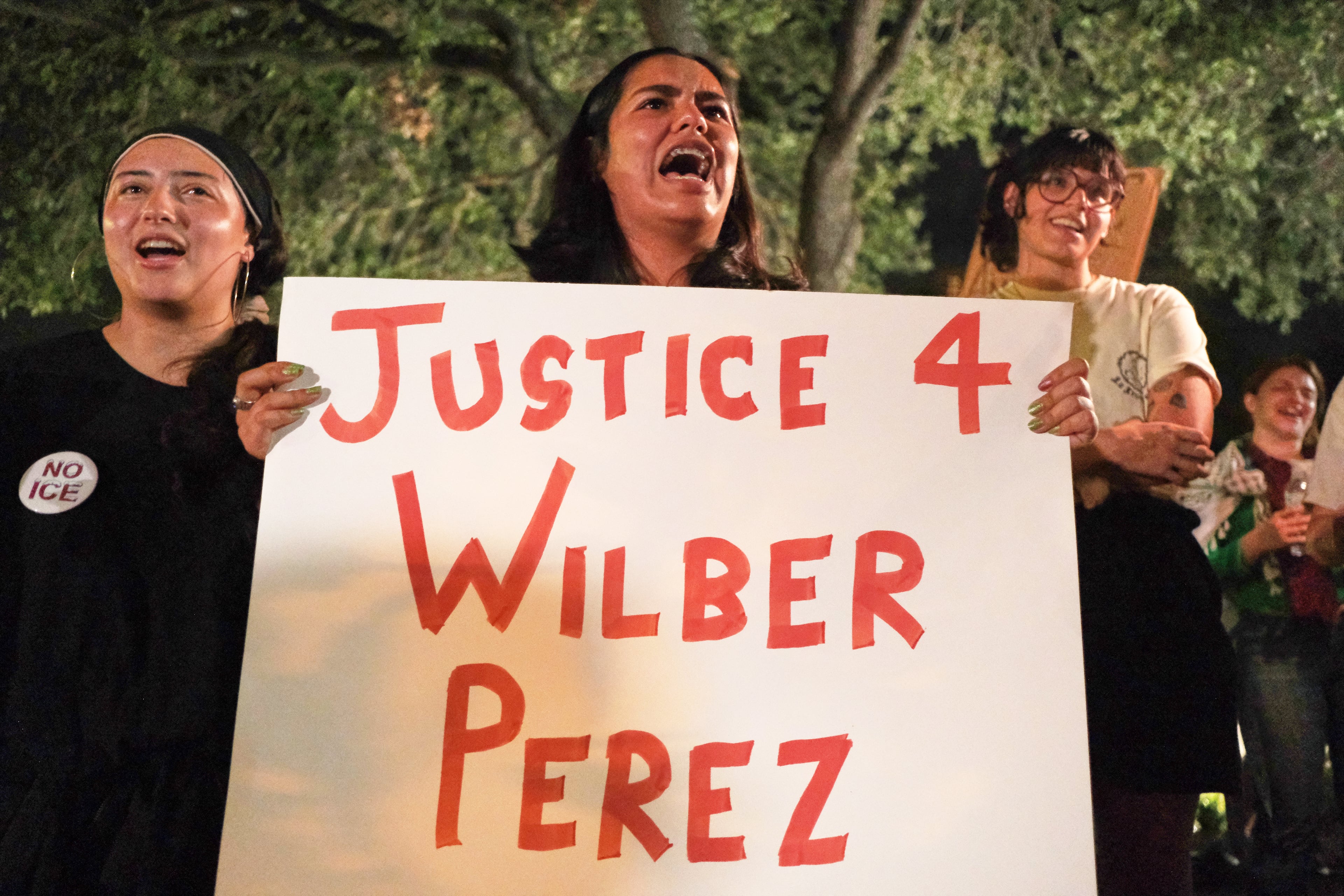
ICE agents shot three more individuals between April 7 and July 1, each nonfatal. Then, on July 7, an ICE agent shot and killed Lorenzo Salgado Araujo in Houston, Texas. Six days later, another agent shot and killed Joan Sebastian Guerrero in Biddeford, Maine. Most recently, on Sept. 20, in Austin, Texas, an ICE agent shot and wounded Wilber Rafael Garces Perez.
Troubling details emerged.
Similar to the incident in which Good was killed, Salgado Araujo, Guerrero and Garces Perez were all shot while inside their vehicles, even though no evidence has surfaced showing the vehicles posed an immediate danger to others. Garces Perez was shot in the back. In addition, the agents who shot Salgado Araujo, Guerrero and Garces Perez were not wearing body-worn cameras, complicating efforts to verify the agents’ accounts of the shootings.
To its credit, in July, ICE returned to a 72-day instruction program for new agents at the Federal Law Enforcement Training Center in Glynn County, abandoning a 42-day regimen implemented last fall.
But adding training days alone falls short of Atlanta’s broader reforms, many of which stemmed from a Use of Force Advisory Council that then-Mayor Keisha Lance Bottoms convened. The council offered 33 recommendations spanning policies, training, transparency and accountability.
Similarly, to know what reforms to implement, the U.S. Department of Homeland Security must identify gaps in its use-of-force framework. DHS should undertake a use-of-force audit of the agencies under its authority, including ICE and Customs and Border Protection. To be effective, the audit should address DHS’s policies, training and force-incident reviews.
An agency’s use-of-force policies should reflect best practices and emphasize reducing harm and respecting human life. DHS’s current policy includes some of these elements. But its guidance on shooting at moving vehicles is murky.
As part of its 2020 reforms, Atlanta imposed tighter restrictions on when officers may use deadly force against subjects in motor vehicles. A DHS audit could address this issue and other use-of-force concerns.
Homeland Security should conduct independent audit and act on what it learns
As noted by researchers cited by the Georgia Association of Chiefs of Police, however, policy alone is insufficient to change behavior. An audit should assess whether officers are sufficiently trained to use force.
Training should emphasize de-escalation, less lethal options and clear thresholds for when force becomes justified. Scenario-based training and real-world case analysis should be key components of any use-of-force curriculum.
In addition, the audit should address internal use-of-force reviews. Any time an officer uses force, a supervisor should analyze whether it complies with policy. All agents should have body-worn cameras to facilitate such reviews. An audit should examine whether those reviews are thorough.
Crucially, any audit must be conducted by an unbiased entity with no stake in the outcome. Independence is essential to public trust, particularly when federal officials have publicly defended officers either without evidence or — at times — in the face of conflicting facts.
Finally, DHS must act on what it learns.
More than a decade ago, a report penned by the Washington-based Police Executive Research Forum warned Customs and Border Protection about the dangers of shooting at moving vehicles. The report recommended stricter prohibitions. Those recommendations were not fully adopted, and gaps in the policy persist today.
The deaths of Good, Pretti, Salgado Araujo and Guerrero were preventable. And without implementing and acting on a comprehensive use-of-force audit, other avoidable deaths may follow.
T. Jack Morse Jr. is a Georgia attorney and a partner at the Oppenheimer Investigations Group, where he investigates allegations of police misconduct and provides consulting and training for law enforcement agencies regarding issues such as the use of force; search and seizure protocols; and bias-free policing.