For Ga. children with sickle cell disease, here’s how schools can support them
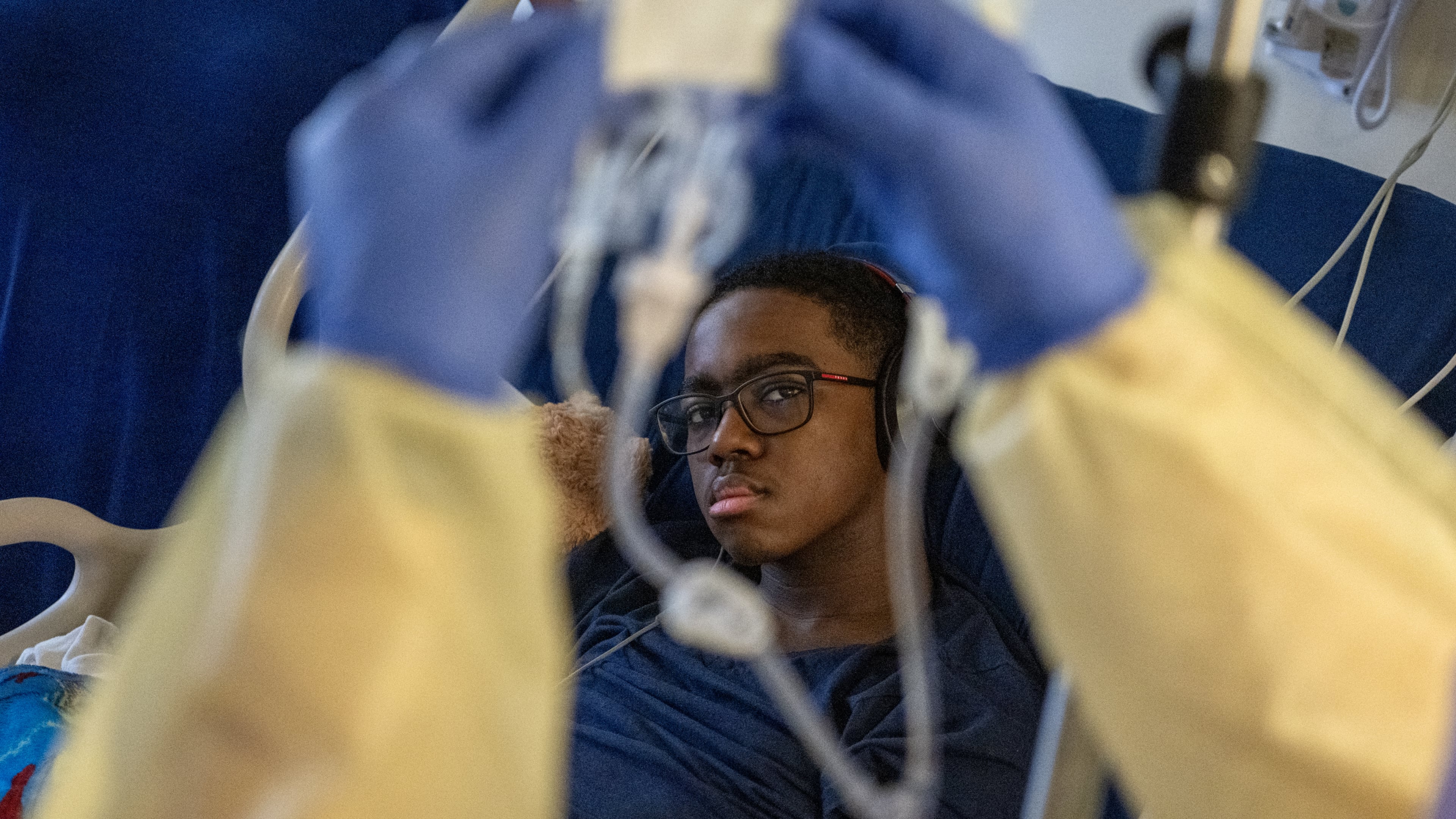
Over 70% of children with sickle cell disease will have an acutely painful episode by the age of 2.
Students with SCD miss an estimated 20 to 30 school days per year, compared to the five to seven missed by their healthy peers, due to acute pain, exhaustion and increased susceptibility to illnesses.
SCD-related complications can also affect concentration and memory, making it harder for them to keep up even when they are present in school. And yet, when asked, most health professionals cannot recall a single lecture, textbook chapter or classroom discussion that adequately covered sickle cell disease during their entire K-12 education.
Despite being the most common inherited blood disorder in the country, affecting over 120,000 people in the United States, research and awareness around SCD is woefully limited.
For instance, SCD is three times more prevalent than cystic fibrosis. Yet between 2008 and 2018, federal research funding per affected person for SCD was approximately $812, compared to $2,807 per person for cystic fibrosis.
This funding gap has real-world consequences: while cystic fibrosis mortality has decreased significantly in recent years, SCD mortality has risen among children. This disparity is not incidental. It shapes what gets taught, what gets screened for, what gets resourced in schools, and ultimately, what gets treated as a priority in the lives of the children who live with it.
Increase education, awareness among educators, nurses

Georgia is witnessing the effects of this shortfall in SCD-awareness infrastructure firsthand. The state has one of the highest SCD burdens in the nation: Centers for Disease Control surveillance data identified over 9,100 individuals living with SCD in Georgia as of 2018, with 40% of them being school-aged children and adolescents.
For these children, SCD is not just a medical condition; it is a daily disruption to learning, friendships and growing up. The disease causes debilitating pain crises, chronic fatigue and exhaustion, sickle cell anemia, and frequent illness that pulls children out of classrooms for days to weeks at a time.
Research also shows that children and adolescents with SCD experience low self-esteem, embarrassment, and depression tied to their absences, their pain, and feeling different from their peers.
Over 60% of adolescents with SCD report that the disease interferes with their school performance — both academically and socially — and approximately 30% of these children do not graduate high school.
The solution to this crisis is a school system that is empowered and resourced to support youth with SCD and their families.
We can start by increasing SCD education and awareness among schoolteachers, administrators, and nurses.
Providing basic education about SCD to school communities supports engagement, medical safety and addresses a critical driver of stigma: lack of awareness. Readily available information and open dialogue about the challenges faced by youth with SCD can combat harmful and limiting stereotypes and misinformation.
Bill would have required basic information be publicized


In order for school staff to effectively support their students, they need information about the types of challenges students with SCD experience and how school-based accommodations can help. Even those with medical training may not necessarily have received training about SCD: school nurses report limited knowledge and insufficient resources to manage SCD complications in the school setting.
In a school system where teachers, administrators and school nurses are provided SCD-specific training, they would be able to guide parents to resources like 504 plans or Individualized Education Programs that will provide their children with critical accommodations like water breaks, modified physical activity, flexible attendance policies, and additional tutoring.
Community-based organizations, many of which are already providing specialized SCD care education to medical providers, are well-positioned to inform schoolteachers and staff about best practices to support their students with SCD. With adequate funding and staffing, these organizations could expand their support across Georgia schools.
Publicly available educational materials like school-facing FAQs, medical quick-reference guides for nurses, and parent-oriented pamphlets on 504 plans and IEPs can also help close this knowledge gap. Recently proposed legislation (GA House Bill 336, 2025-2026) even suggested school websites host basic information about SCD as a readily available resource to ensure children with SCD are promptly diagnosed, risks identified early and are receiving adequate care.
Ultimately, to meaningfully change the educational trajectory for students living with SCD in Georgia, schools must be equipped with targeted infrastructural support, equitable financial resources and clear clinical guidance. The current gap in foundational knowledge regarding SCD leaves schools underresourced and unable to support their students.
By integrating comprehensive policies that can actively dismantle the stigma associated with the disease and foster inclusive environments, Georgia schools can maximize the academic engagement, health, and overall well-being of all their students.
Hridith Sudev, M.P.H., is an onco-epidemiologist working to improve cancer care and healthcare access for rural and underserved communities. He is the founder and president of Colorado-based nonprofit Colectivo de Paz and is currently a doctoral candidate in public health at Mercer University, Atlanta.
Jan T. Mooney, Ph.D., is a psychologist in Atlanta, Georgia. Her clinical service, research, and policy advocacy aim to facilitate access to quality, evidence-based healthcare for individuals with chronic health conditions.
Gem Johnson is a medical student at Philadelphia College of Osteopathic Medicine Georgia with a strong interest in general surgery and advocating for her patients in Georgia.
Send letters to the editor of 250 words or fewer with your name, city or town and contact information to letters@ajc.com.