This Father’s Day, let’s be honest about caring for our aging dads
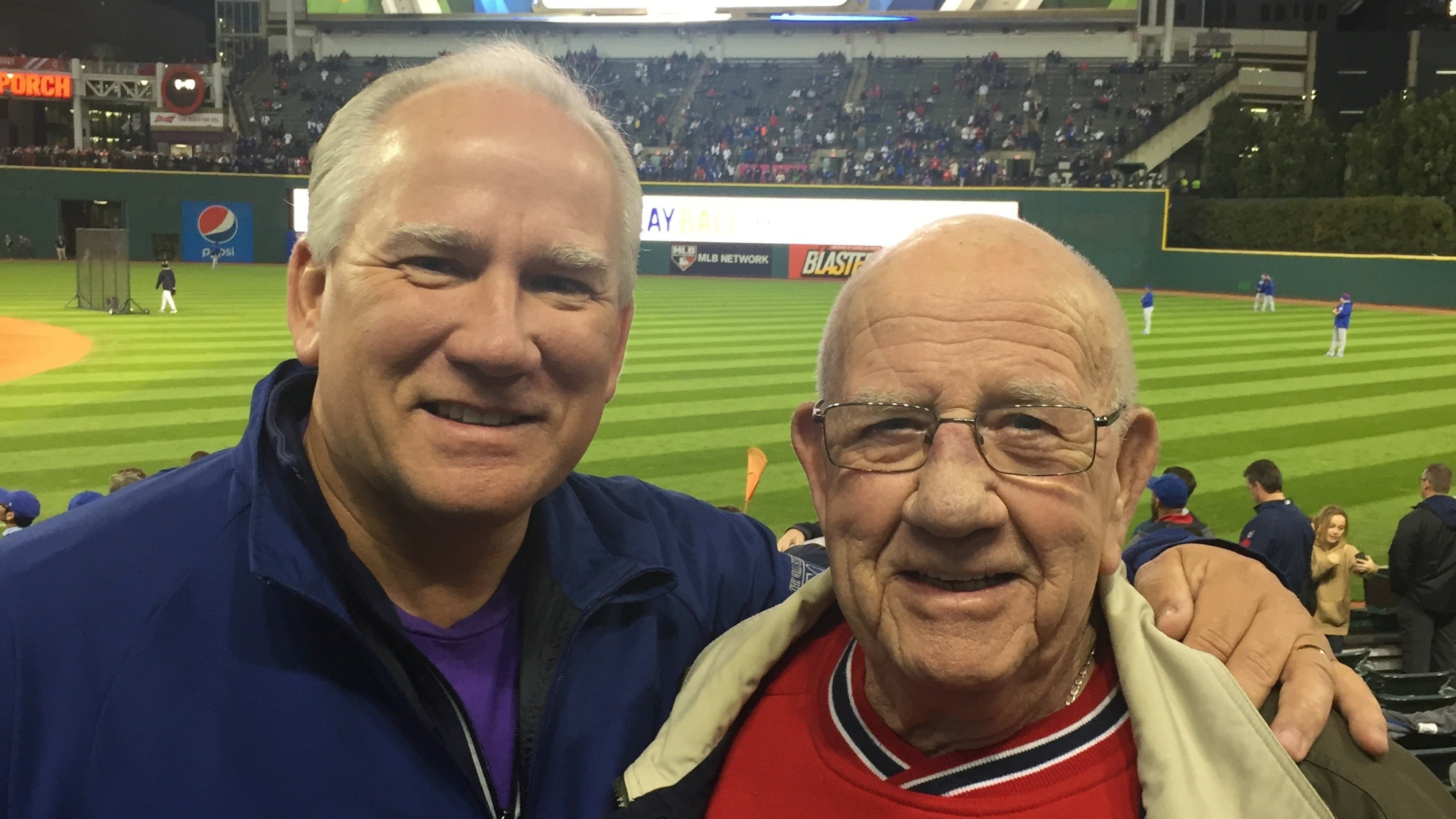
This Father’s Day, I’ll sit on the back deck of a guest house I built for my dad overlooking the Blue Ridge Mountains.
The chair where he spent his last years will be empty. The television that played hundreds of baseball games we watched together will be dark. The oxygen machine that helped keep him alive for years will be silent.
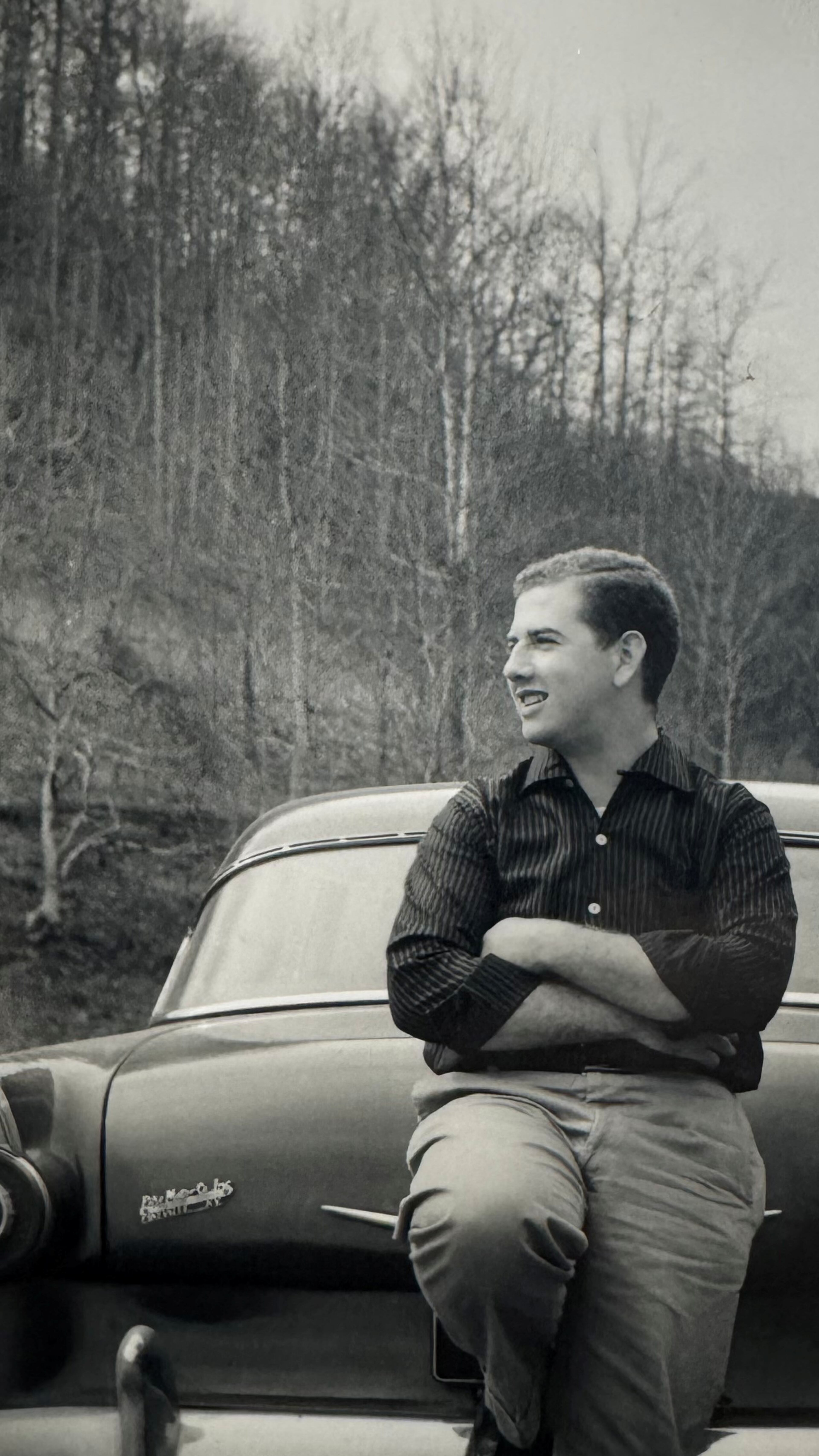
My dad was a retired auto worker from Lorain, Ohio, raised three kids, and never asked anyone for anything. When his body failed, the only thing separating him from millions of other aging Americans was that his son had the resources to respond. He was no more deserving of dignity in his final years than anyone else’s father. But he got it because I could afford to provide it.
That is not a comfortable truth.
He was 82 and living alone when he suffered a heart attack. The next week, he required emergency brain surgery. Seventy-one days later, he was discharged from the hospital having been diagnosed with congestive heart failure, COPD, atrial fibrillation, coronary artery disease, diabetes and macular degeneration that eventually stole his central vision.
One in four Georgians act as family caregivers
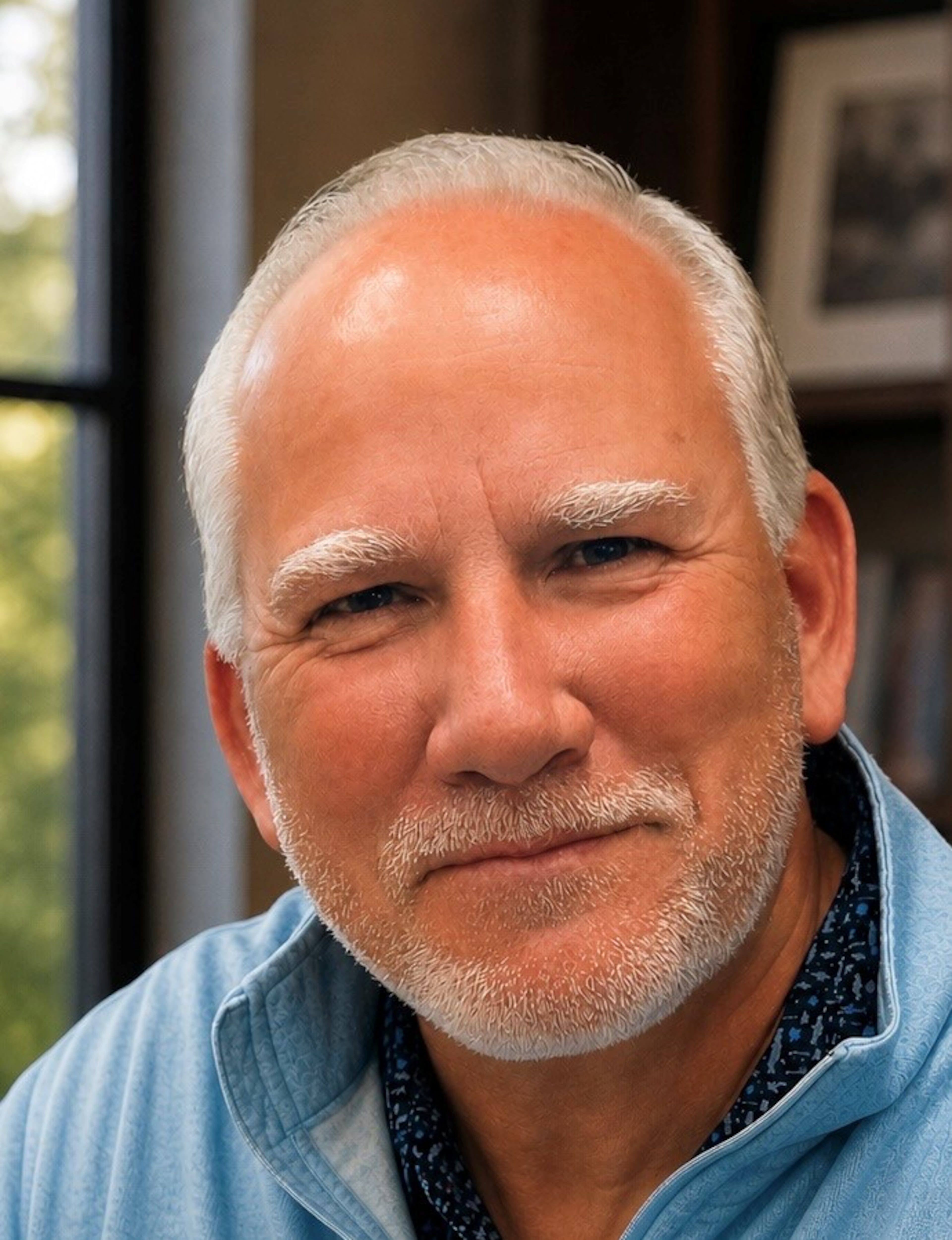
My wife gave up her healthcare career to manage his 22 daily pills, his seven medical specialists, and the mundane tasks of daily care. I retired three years later from a career as a corporate executive and joined her in a tag team effort to keep his spirit from giving up and his body from giving out.
For six years, we were among the most fortunate caregivers in America. When assisted living failed and he couldn’t navigate our home, we built my dad a customized guest house on our property. When his care exceeded what we could manage alone, we hired help. We could write checks that most families cannot.
And caregiving still exhausted us in ways we never imagined. Our health was impacted, our marriage was stressed, and we were conflicted between our love for my dad and the resentment we had for his intrusion into our lives. We were pushed to a breaking point. That should worry all of us. If caregiving can push a family with our advantages to our physical and emotional limits, the system underneath surely is failing the families without them.
We are not special or heroic. We are among the more than 60 million Americans that AARP identifies as caregivers, more than 40% of whom are caring for aging parents. In Georgia, one in every four adults act as family caregivers, providing more than $16 billion in unpaid labor annually as AARP says the state ranks dead last in the nation for available professional caregivers and second-to-last for aging in place.
This is a crisis hiding in plain sight that will only get worse as our society ages. As that happens, we face questions our country is not well-practiced at answering. Who bears the cost of care? And how do we care for those who once cared for us without losing ourselves in the process?
The median monthly cost of assisted living is approaching the median monthly household income in America. Skilled nursing exceeds it. Even in-home care, often presented as the affordable alternative, is unaffordable for most. Half of older Americans live on incomes — often Social Security alone – that barely cover basic needs, let alone the kind of care modern longevity demands.
Elder caregiving is a quiet public crisis
A parent raising a child can count on a federal child tax credit, dependent care accounts, the Family and Medical Leave Act. None of these are perfect. But they exist. They acknowledge that raising a human being is harder than many families can manage alone.
Adults caring for an aging parent get almost none of that. There is no equivalent tax credit. Health savings accounts don’t cover the day-to-day work of helping an old person live. Twelve weeks of unpaid leave, available only at larger employers, bears no relationship to a multi-year decline. The country that has built an architecture of support around the beginning of a life has built almost nothing around its end.
Our country continues to treat elder caregiving as a private problem, as if love alone can cover the gaps. We celebrate self-sufficiency as a moral achievement and treat the need for help as a failure rather than a fact. But my father, like countless other dads, did not fail because he needed help. He just got old. And getting old, in America, has become a crisis we are pretending we don’t see.
This Father’s Day, millions of sons and daughters will visit their aging fathers in assisted living facilities, nursing homes, spare bedrooms, and, for a lucky few, guest houses. Many will lie in bed afterward carrying the same thought I carried for six years: “I love my dad, but how much longer can we do this?”

While I still grieve for him, caring for my dad gave me a remarkable gift – it allowed me to know him in ways I never had, in a way most of us never get to know our parents. Caregiving forced me close enough to finally pay attention and learn simply by being present. I learned a life-changing lesson in that process: that all ladders must lean against something stronger than themselves. My dad leaned against us. We held him up. But we were the lucky ones.
The question this Father’s Day is simple. Who holds up everyone else?
The honest answer is that, for too many families, no one will. Not until we name elder caregiving as the public crisis it has quietly become.
Jim King was a reporter for the AJC from 1988 until 1993, covering legal affairs, banking and sports marketing. He was the lead writer on a three-person team that examined the impact of race on mortgage lending, a series that was named Story of the Year by the Associated Press. He now lives in Sunset, South Carolina.