As we watch the World Cup, let’s talk about the global state of civic freedom
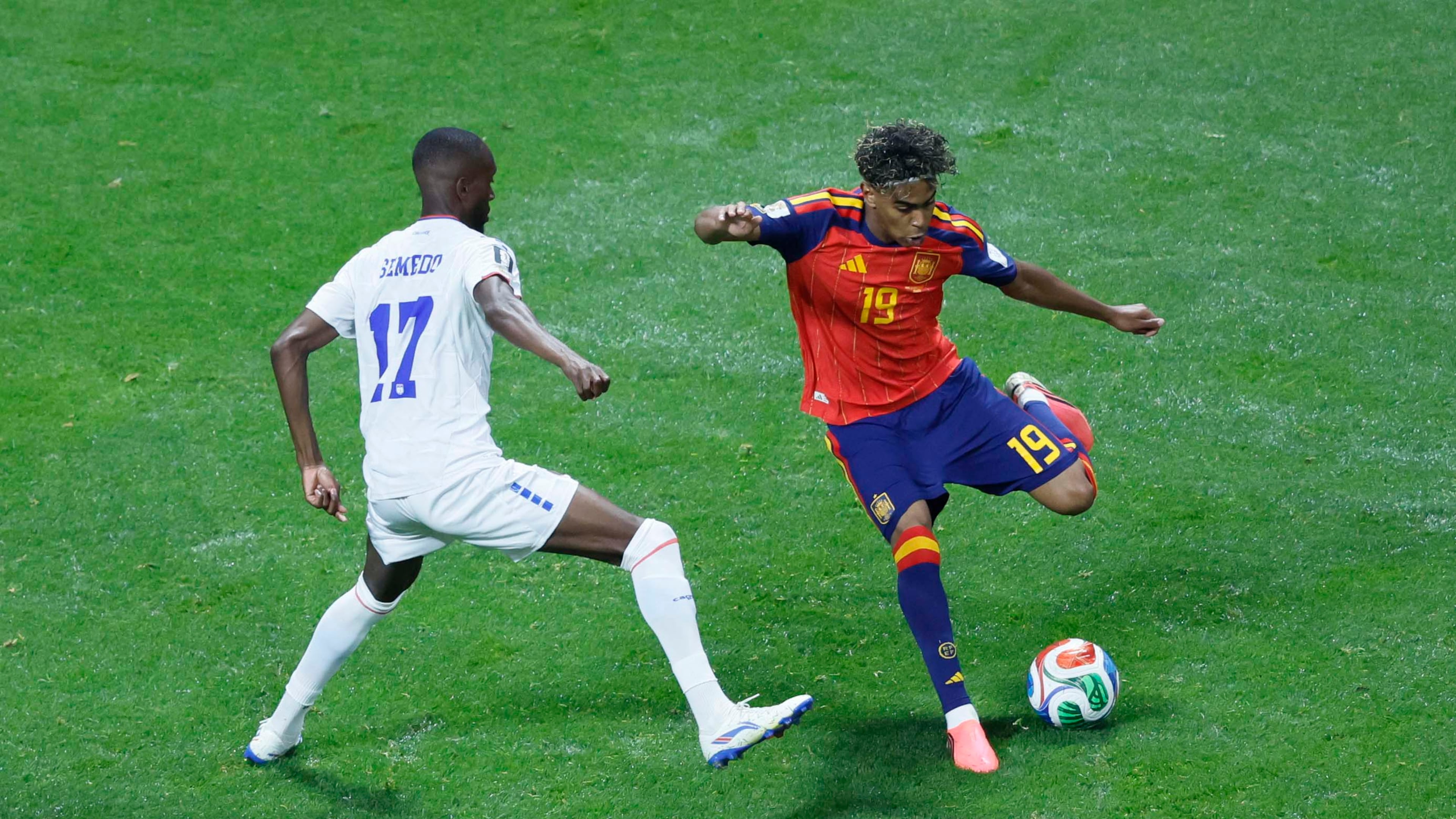
The World Cup, the globe’s biggest sporting event, is on our doorstep. Spain opened its campaign against Cape Verde at Atlanta Stadium on Monday, South Africa met the Czech Republic on the same pitch Thursday, and Spain returns Sunday to play Saudi Arabia.
For 90 minutes at a time, the planet speaks one language: football. But a harder game is being played off the pitch, for the right to speak freely, organize safely and protest without fear, and this World Cup keeps showing us the score.
Start with South Africa. In the June 11 opening match against co-host Mexico, something telling happened: Millions of Africans cheered for Mexico.
Normally, the continent unites behind any African side. This time, fans across Nigeria, Zimbabwe and beyond flooded social media urging support for Mexico instead.
Their protest was against the recent wave of xenophobic violence against migrants in South Africa, where vigilante movements have made foreign nationals scapegoats, threatened violence and blocked them from clinics and workplaces.
When fans turn on a team they normally support to send a message about how a country treats outsiders, the standings can’t capture what is really being said.
And Mexico is no neutral host. The same fans who embraced their team, El Tri, as the welcoming alternative were cheering a country living through a human rights catastrophe.
Over 130,000 are officially registered as disappeared, more people than could fill the vast Estadio Azteca, where 2026 World Cup kicked off. The searching mothers who comb the country for clandestine graves, and who last year uncovered crematoria and victims’ belongings at a ranch in Teuchitlán, are now using the tournament’s spotlight to demand that their government finally account for the missing.
Consider abuses in Saudi Arabia and Switzerland
The fixture list tells other stories. When Spain faces Saudi Arabia on Sunday, the Atlanta crowd will be watching a preview of the 2034 World Cup, which will be hosted by Saudi Arabia. It’s no coincidence that Aramco, the Saudi national oil company, is the main sponsor of the current World Cup.
Behind the Saudi sportswashing, it’s one of only 16 countries that the Civicus Monitor, our global tracker of civic freedoms, rates “closed,” its most repressive category, where dissent is met with prison and the death penalty, and women and government critics are systematically silenced.
The migrant workers who will build the 2034 stadiums have few protections and no union. The beautiful game is increasingly comfortable being staged in places where the people who serve it cannot speak.
Closer to the heart of the human rights system, the contradictions only sharpen. On Thursday, Switzerland played in Los Angeles while, in Geneva, it hosts the 62nd session of the U.N. Human Rights Council, the world’s premier forum for holding governments to account.
Yet last year the Civicus Monitor downgraded Switzerland from the best tier — “open” — to “narrowed,” as police wielded tear gas and rubber bullets against protesters expressing solidarity with Palestine and decrying police brutality.
Police also extensively surveilled Extinction Rebellion members and weaponized the country’s strict banking secrecy laws to raid the home of a journalist over his reporting on financial misconduct. Even the country that houses the world’s human rights machinery is slipping down the rankings.
And then there is Iran. As I write, the United States and Iran are working on ending more than three months of war and reopening the Strait of Hormuz.
Keep alert about issues both on and off the field
Stepping back from that brink is genuinely good news. But a ceasefire between governments is not freedom for the people who live under them.
Narges Mohammadi, the Iranian Nobel Peace Prize laureate, was sent home from a Tehran hospital in May only after a cardiac crisis, and she is still serving a 7½-year sentence handed down in February. Iran’s team will take the field while its bravest citizens stay locked up.
The off-field game has reached the tournament’s gates. Iran says its entire fan ticket allocation was revoked a week before its first match. Omar Artan, who would have been the first Somali referee to officiate a World Cup, was detained for 11 hours in Miami and turned back at the border.
Jibril Rajoub, head of the Palestinian Football Association, was denied a U.S. visa despite holding FIFA accreditation. An event that sells itself as the world’s gathering is quietly deciding who is allowed to gather.
Even for those welcome, the price of entry is steep.
FIFA’s new “dynamic pricing” has pushed some seats past $8,000, drawing formal complaints from European fan groups and a subpoena from the attorneys general of New York and New Jersey. Football’s universal tournament is being sold as a luxury good, in a country many of the world’s fans cannot even get a visa to enter.
None of this is an argument against the World Cup, or against the real joy it is bringing to Atlanta. It is an argument for watching the whole field. Football’s reach is unmatched, which is exactly why it is worth asking what the players, referees and fans go home to.
That is the thinking behind Civicus’ Solidarity World Cup campaign, which translates the state of civic freedoms into the language of the game: a red card for activists jailed for dissent, an own goal when fear forces people to silence themselves, the crowd power that comes when supporters refuse to stay quiet.
You don’t have to be on the pitch to change the game. As the world looks to Atlanta this week, the most important thing any of us can do is refuse to look away from the off-field score.
You can check how each country rates, choose your team and add your own story of resistance, at web.civicus.org/solidaritysquad.
The crowd matters. It always has.
Susan Marx is chief programs officer at Civicus, a global alliance of civil society organizations. She lives in Atlanta. Join the global alliance for free.