error: no ad slot id exists: undefined
Breaking
News
Guitar legend Dickey Betts, who co-founded the Allman Brothers Band, dies at 80
Log In
Log In
Log In
ePaper
Newsletters
AJC Events
Help Center
A.M. ATL newsletter
Hawks
The Monica Pearson Show
Trump Georgia case
Israel & Iran
Vegan & Vegetarian Guide
AJC Peachtree Road Race
Braves
Quick Links
ePaper
Newsletters
AJC Events
Help Center
News
Metro Atlanta
Georgia News
National & World News
The Monica Pearson Show
Business
Education
Health News
Inspire Atlanta
Traffic
Weather
Politics
Politically Georgia
Elections
Voter Guide
Legislature
Trump Georgia case
Georgia by the Numbers
Legislative Navigator
Patricia Murphy
Jamie Dupree Blog
Sports
Braves
UGA
Falcons
Georgia Tech
United
Hawks
Dream
High School Sports
State Sports Report
AJC Super 11
Food & Dining
Food & Drink
Dining
Dining Guides
Vegan & Vegetarian Guide
Openings & Closings
At Home With Atlanta Chefs
Unapologetically ATL
News
Entertainment
Fashion
Food
50 Years of Atlanta Hip Hop
Things to Do
Arts & Culture
Events in Atlanta
Georgia Entertainment Scene
AJC Peachtree Road Race
Black History Month
Home & Garden
Puzzles & Games
Travel
Opinion
Readers Write
AJC Columnists
Mike Luckovich
Get Schooled
Real Life with Nedra Rhone
Torpy at Large
Contact the AJC Editorial Board
Investigations
Data Journalism
Dangerous Dwellings: An AJC investigation
Unprotected: Senior Care
Breakdown
Podcasts
Breakdown
Bow Tie Chronicles
Politically Georgia
Braves Report
Southern Fried Soccer
Hawks Report
More
Daily Savings
Classifieds
Flashback photos
Jobs
Obituaries
Photo Galleries
Pulse
Sports Betting
Videos
Follow Us
© 2024 The Atlanta Journal-Constitution. All Rights Reserved.
By using this website, you accept the terms of our
Terms of Use
,
Privacy Policy
,
CCPA
, and understand your options regarding
Ad Choices
.
Learn about Careers at Cox Enterprises.
We can’t seem to find the page you’re looking for.
Here are some other stories that may be of interest.
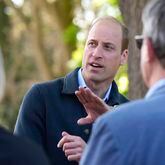
UK's Prince William returns to public duties for first time since Kate's cancer diagnosis
4m ago
Credit: AP
THE LATEST
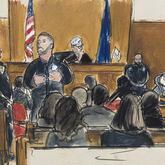
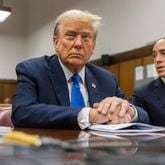
A second seated juror dismissed by judge from Trump's hush money trial
5m ago
Credit: AP
Guitar legend Dickey Betts, who co-founded the Allman Brothers Band, dies at 80
15m ago
Credit: AP
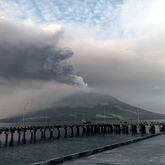
Indonesians leave homes near erupting volcano and airport closes due to ash danger
16m ago
Credit: AP
Persons of interest sought after man found dead inside car in Cobb
16m ago
Credit: GoFundMe
UN approves an updated cholera vaccine that could help fight a surge in cases
18m ago
Credit: AP
Allman Brothers Band co-founder and legendary guitarist Dickey Betts dies at 80
24m ago
Credit: AP
THE LATEST
Officials at Group of Seven meeting call for new sanctions against Iran
26m ago
Credit: AP
2 jurors dismissed from Trump hush money trial as prosecutors seek to hold ex-president...
27m ago
Credit: AP
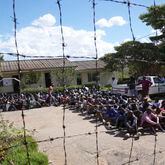
Zimbabwe frees prisoners, including those sentenced to death, in an independence day...
28m ago
Credit: AP
Cookie Settings